

Trek for Connectivity: Segment 10 ~ Falls Lake & The Eno River
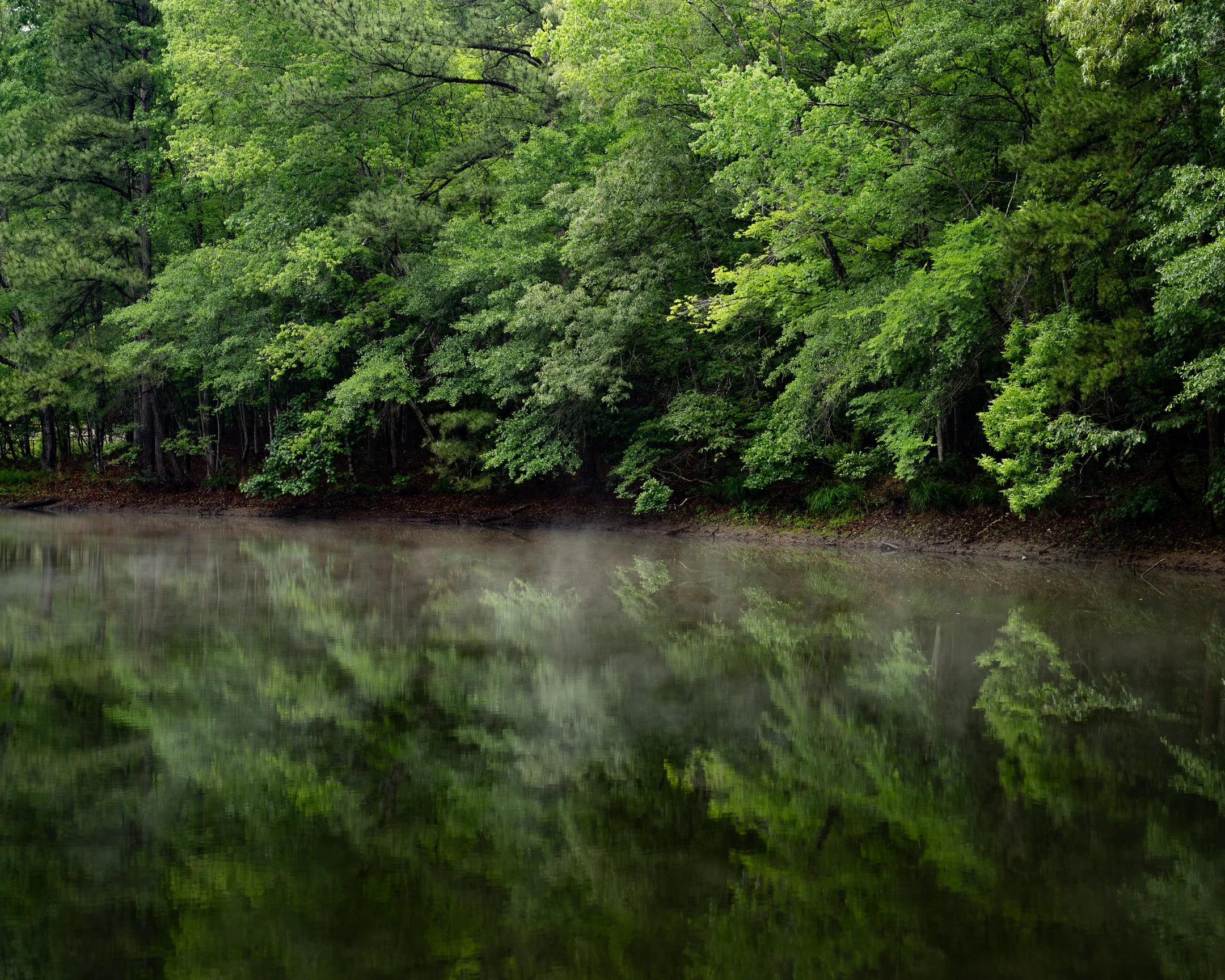
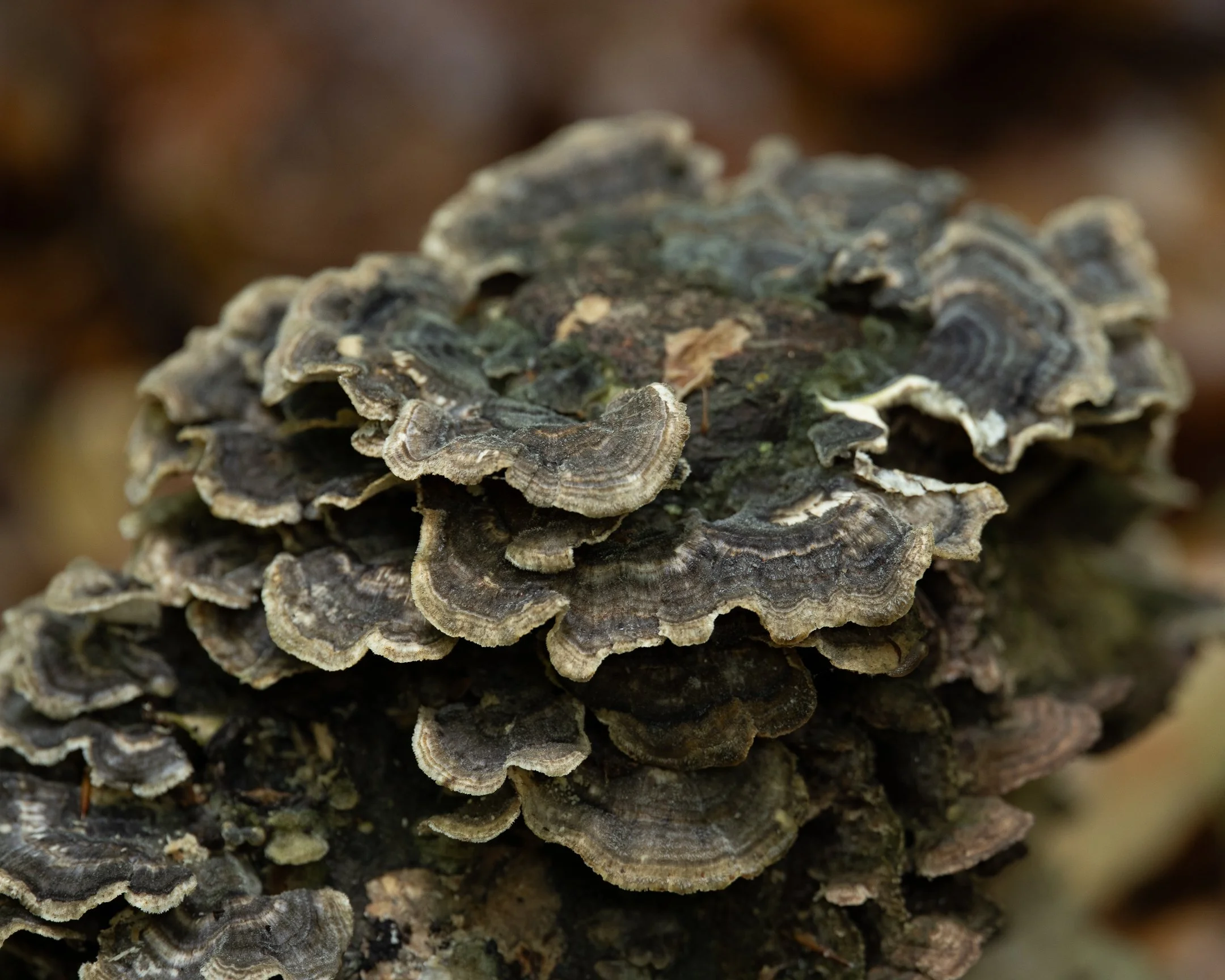
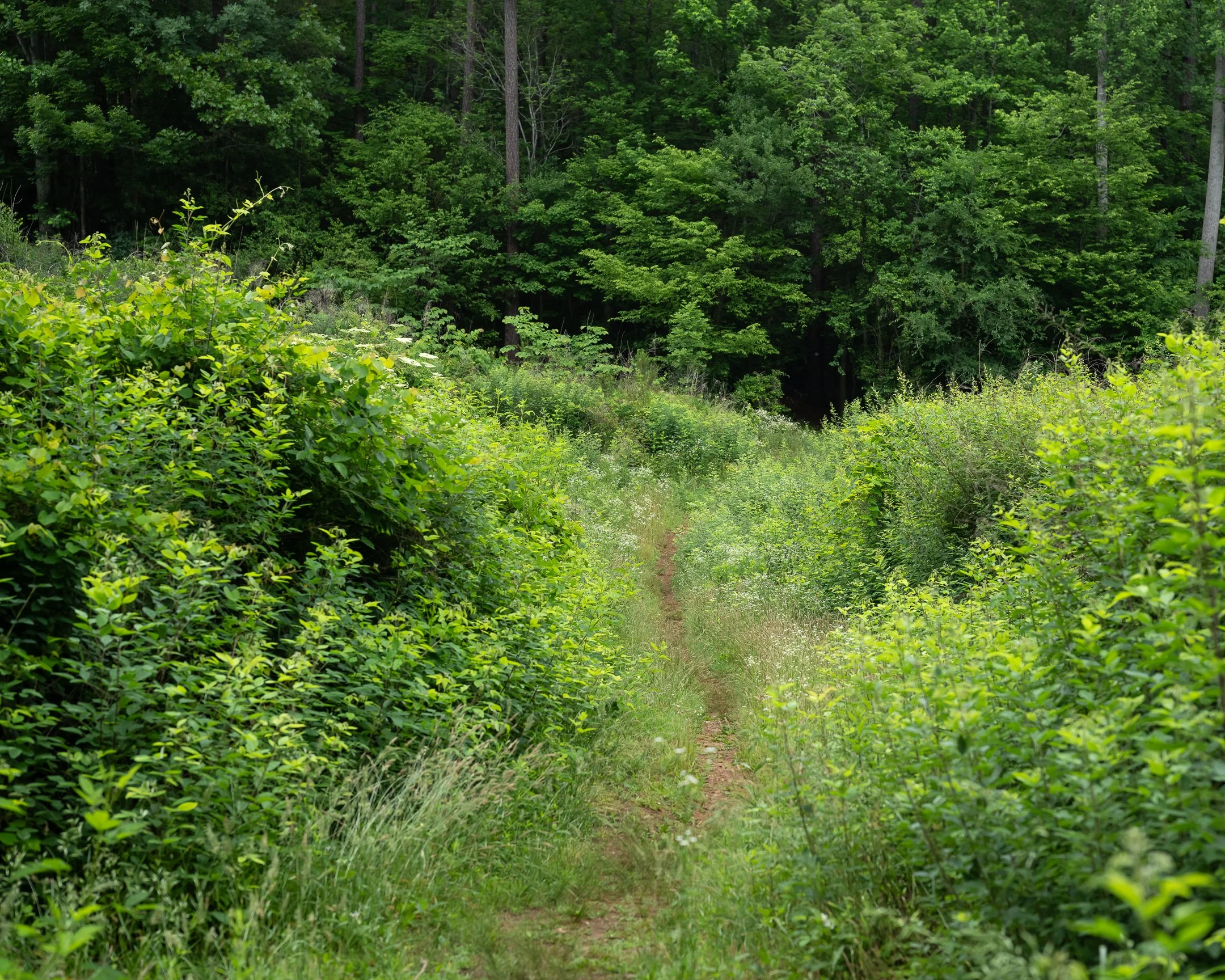
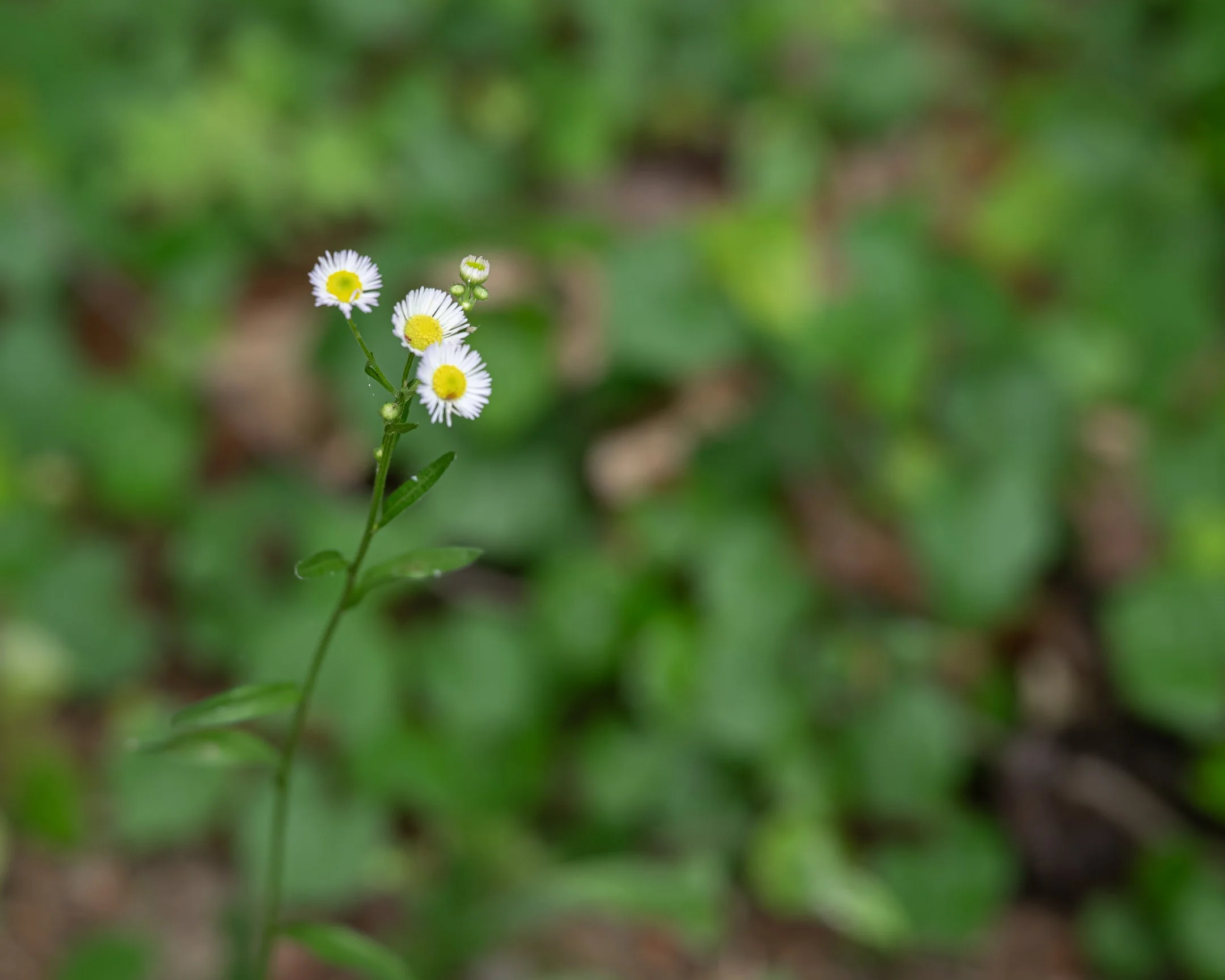
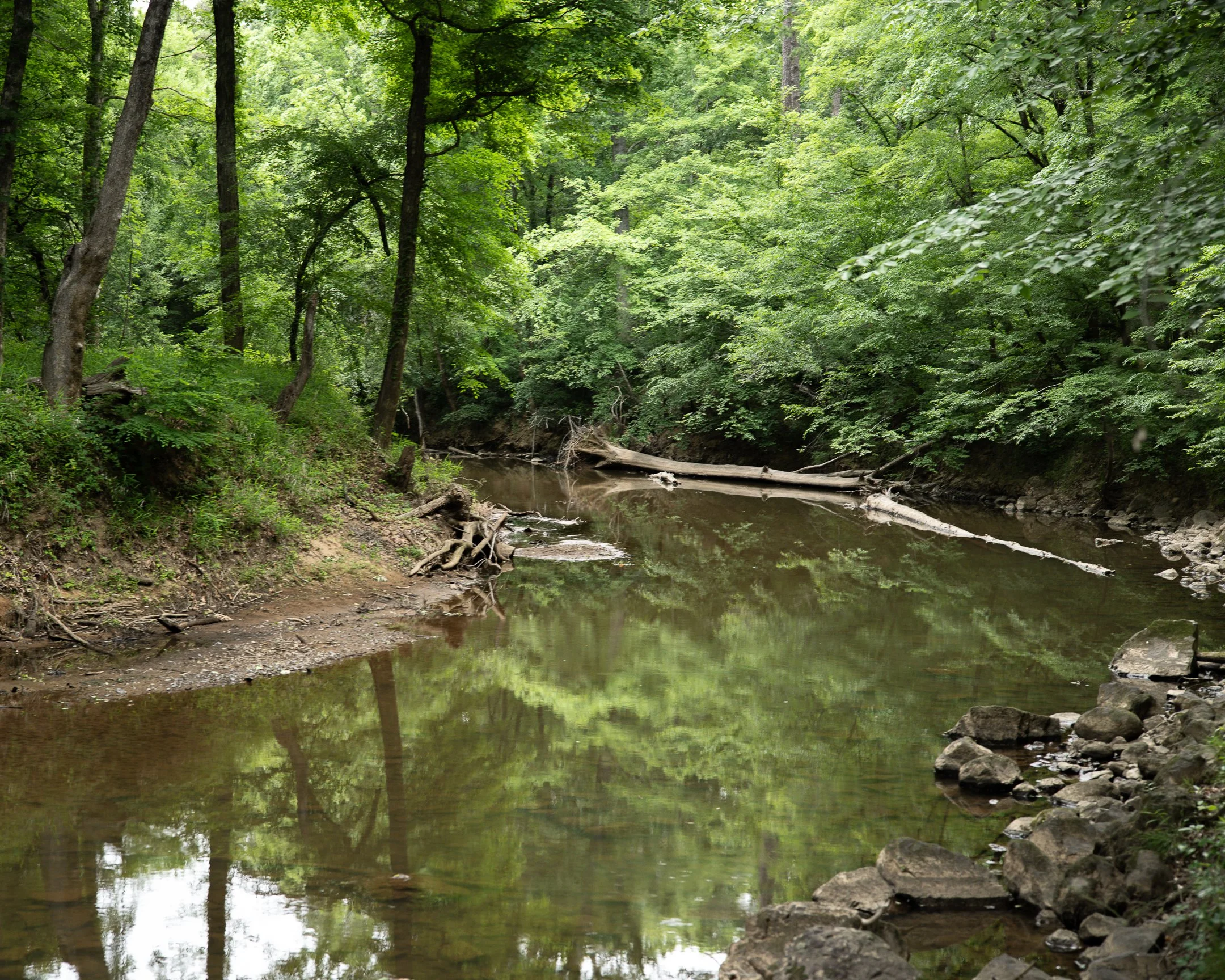
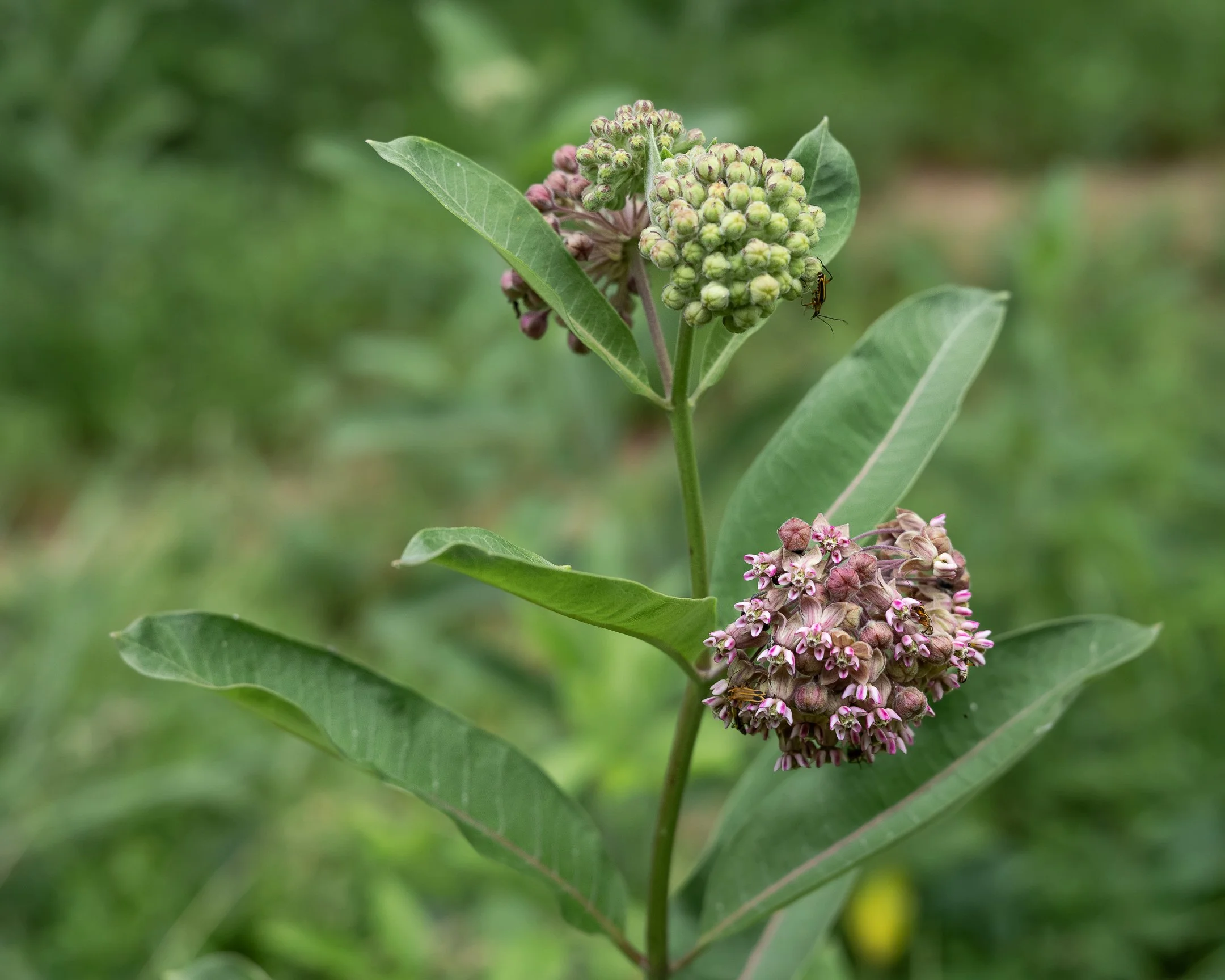
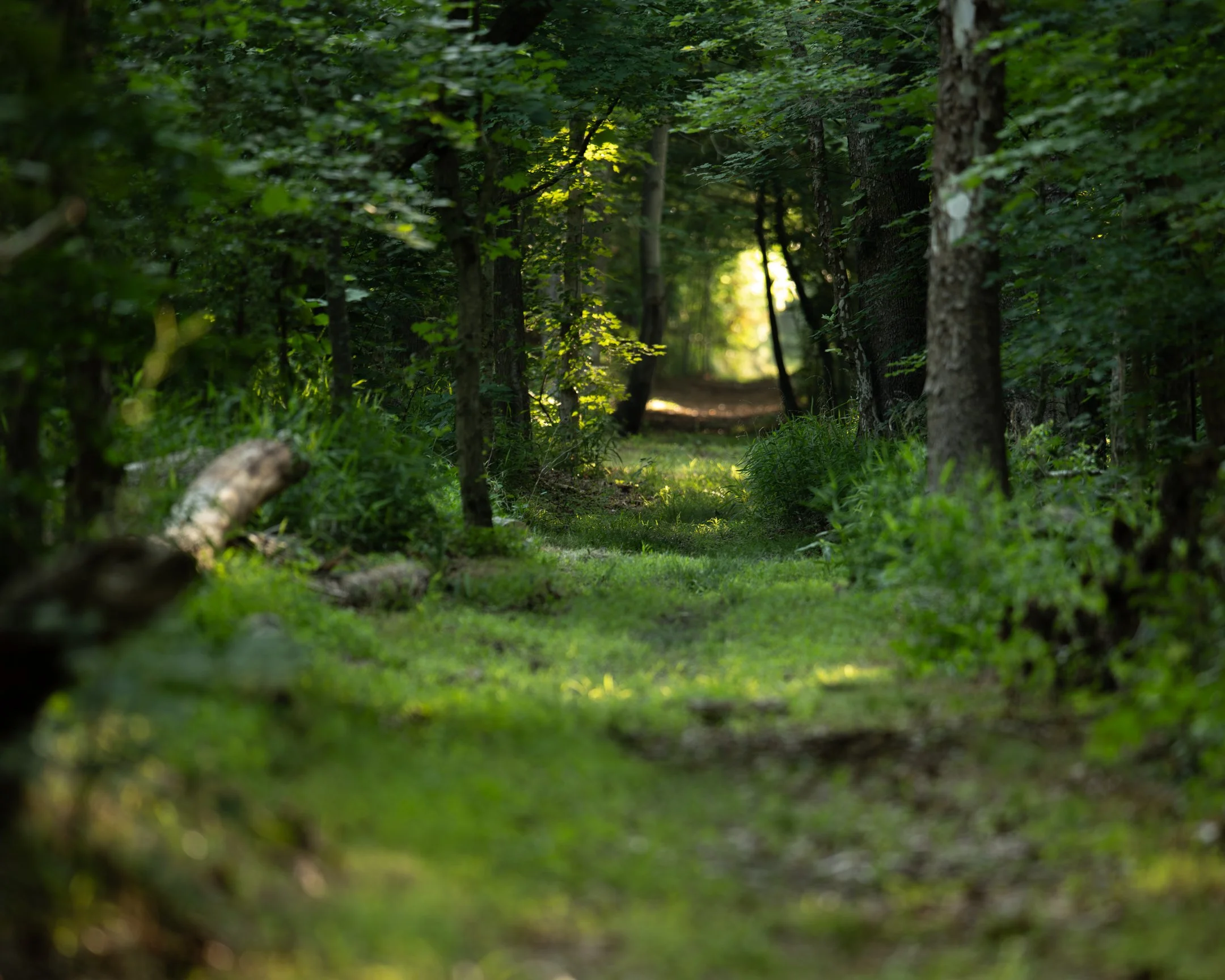
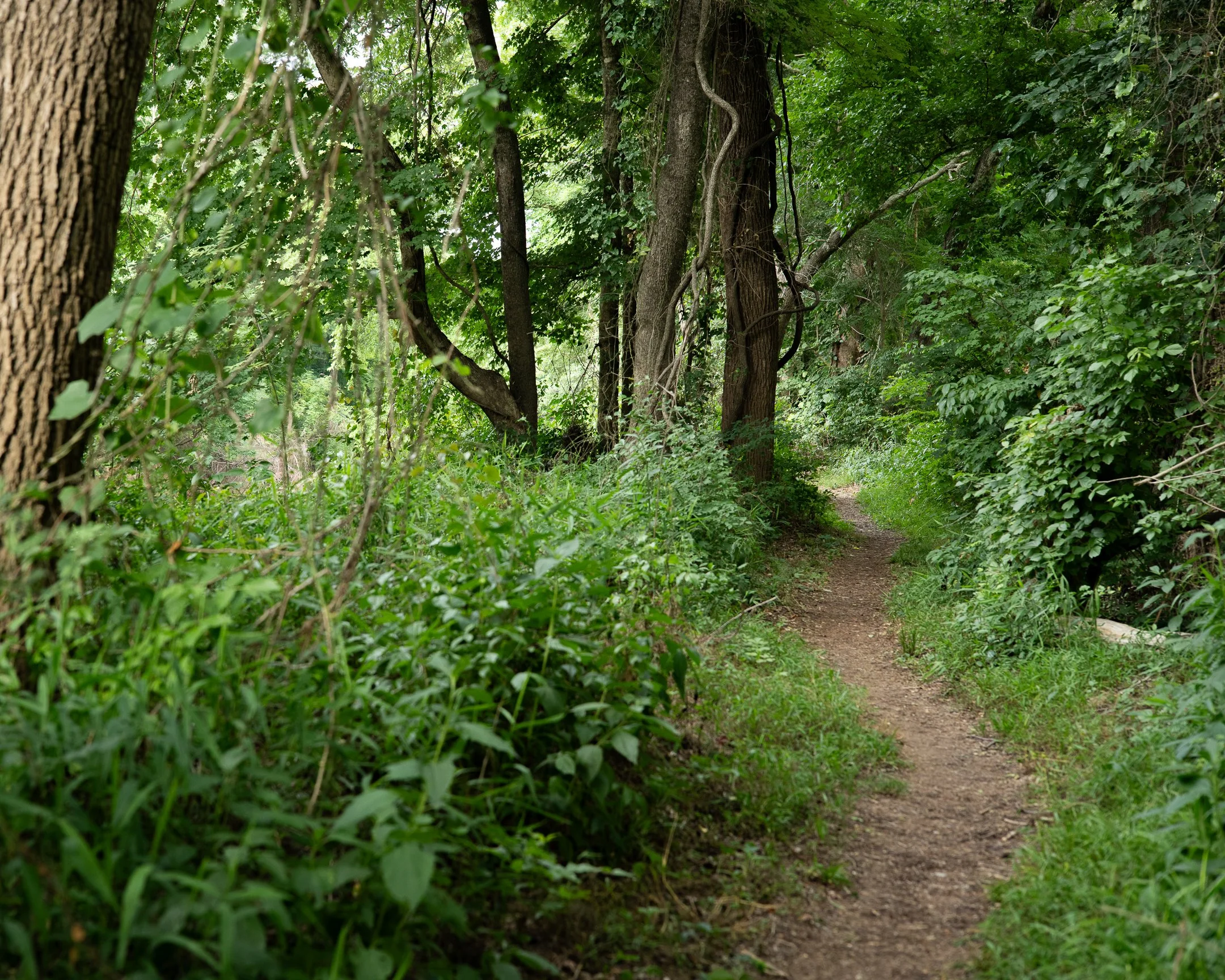
With the Coastal Plain now behind me, I began my hike into the Piedmont region through the Falls Lake and Eno River ecosystems. Throughout, I hiked through thousands of acres of hardwoods, piney woodlands, floodplains, and wetlands. As part of the Neuse River Basin, Falls Lake and Eno River serve as critical wildlife corridors, connecting to a patchwork of habitats throughout their riparian and forested landscapes. As I hiked, I thoroughly enjoyed documenting some of what makes these ecosystems extraordinary. While I enjoyed my time hiking in this beautiful part of the state, I was also reminded as to how fragile the environment here is while exploring the trails during a severe drought across North Carolina.
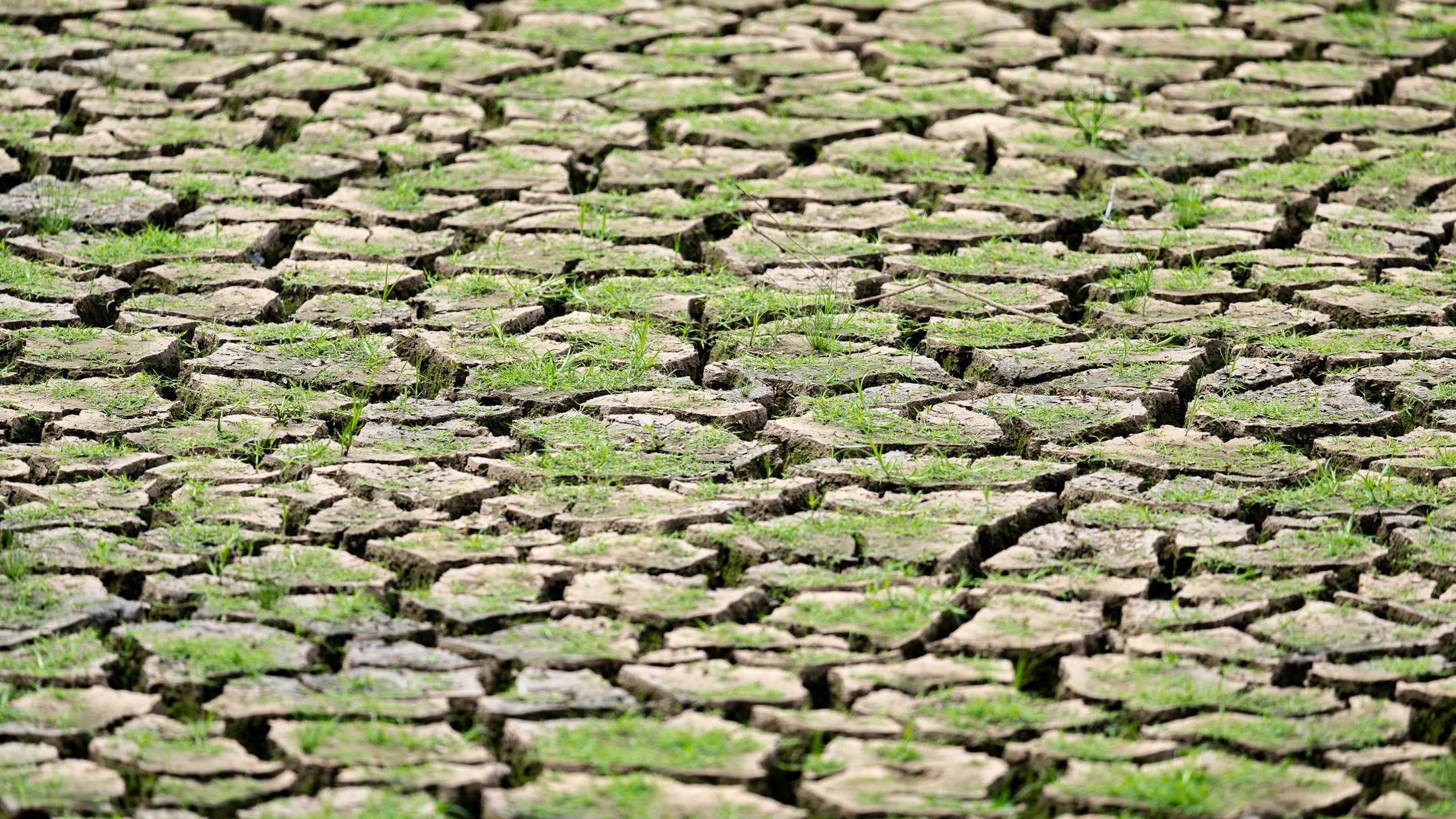
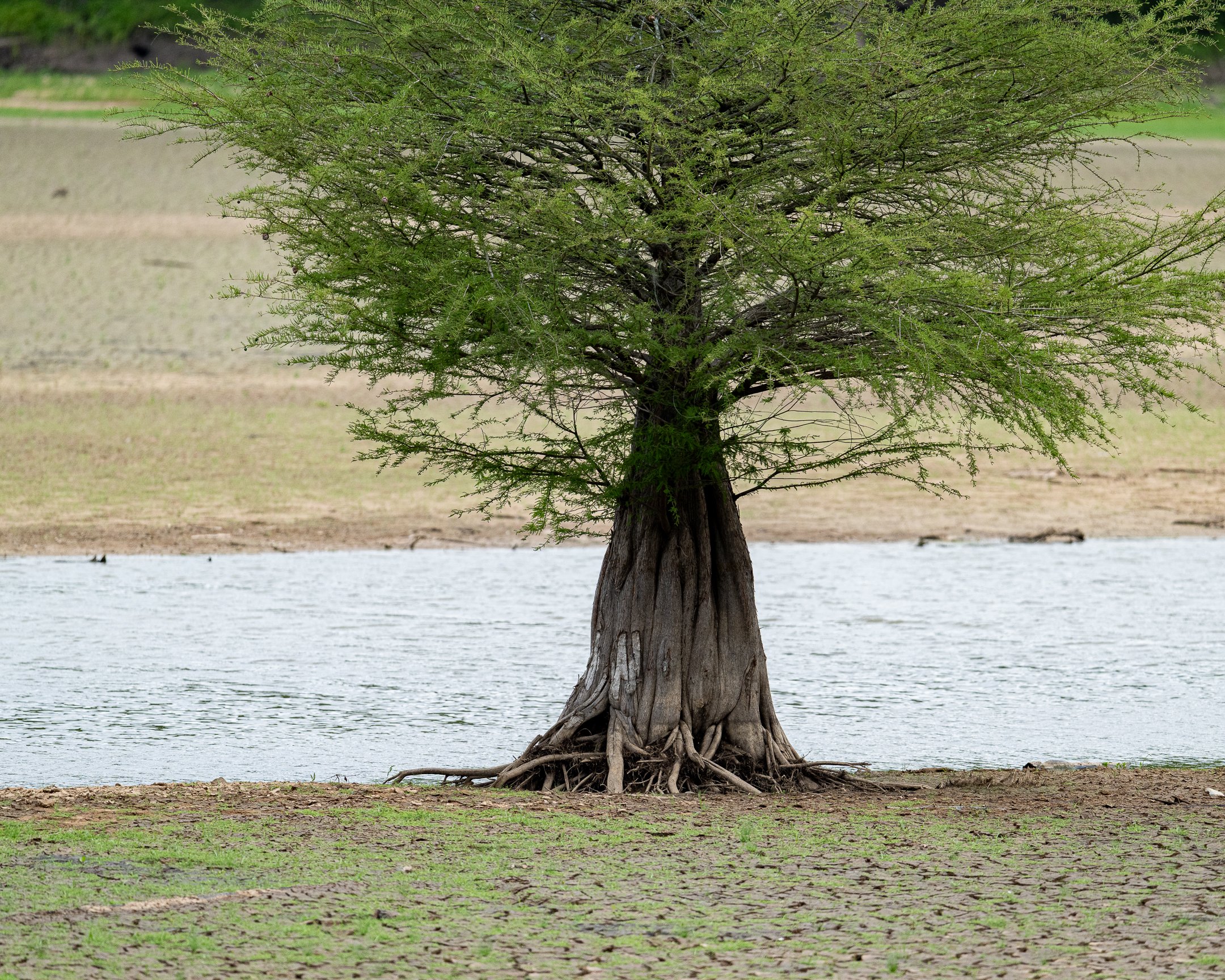
As the trail took me around the perimeter of the lake, the lakebed was exposed in many spots, showing the quilt-like cracks of the earth. In these areas, I noticed just how quiet it seemed. No herons, egrets, songbirds, or the unmistakable sound of the belted kingfisher could be heard, not even an echo. What was once an area with a rich water source supporting a diverse range of wildlife, now stood eerily silent. Continuing on, I self-reflected as to why connectivity is so important. When droughts occur, wildlife species are forced to travel out of their existing territories into new ones to find water, food, and shelter. When safe passages are not an option for wildlife, the likelihood of human-wildlife interactions and wildlife-vehicle collisions increase significantly. Wildlife being pushed out of their territories is not always due to habitat loss and overdevelopment. Our climate is one of the top reasons wildlife travels away from their home ranges to seek new territories and is why connecting our landscapes throughout North Carolina is crucial.
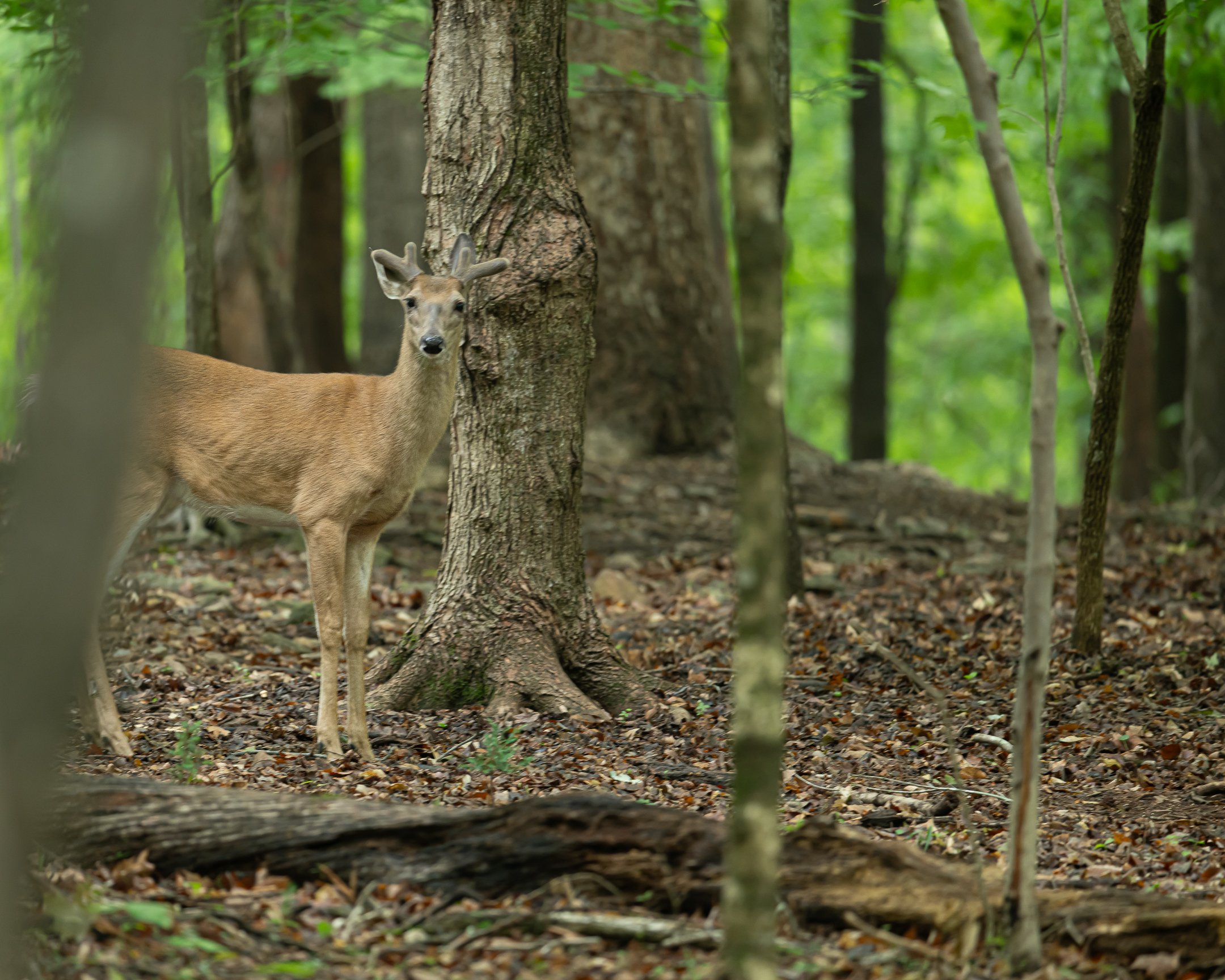
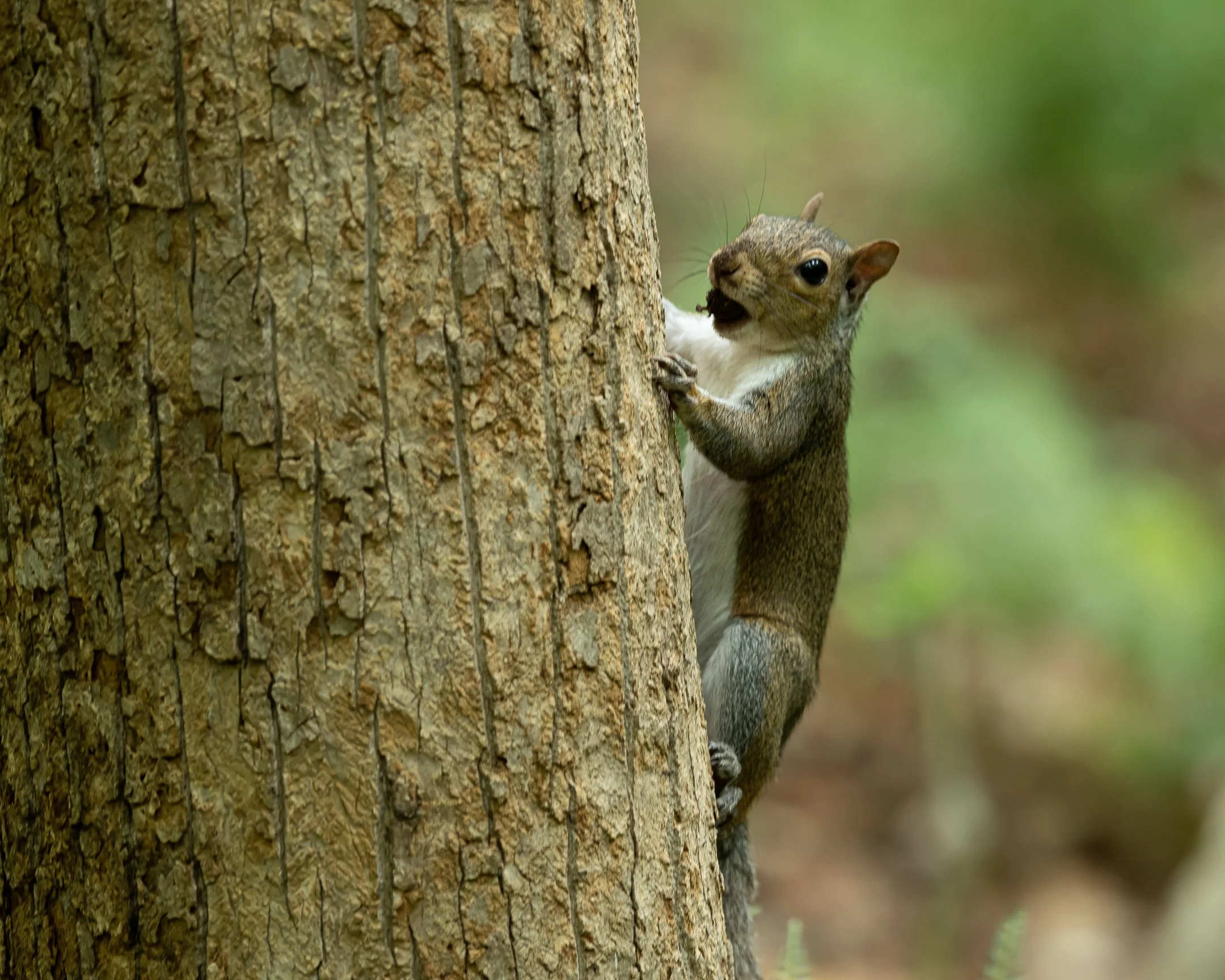
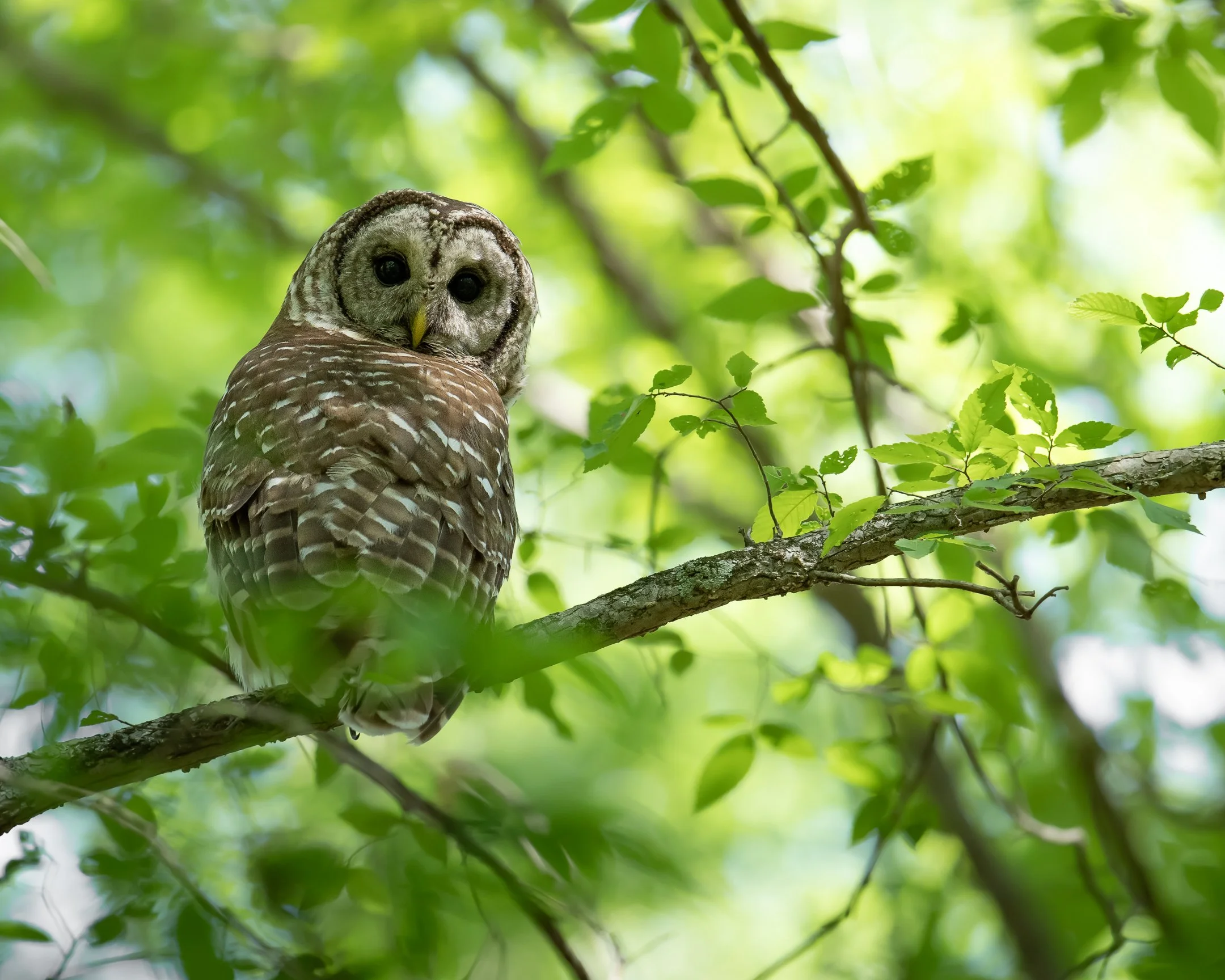
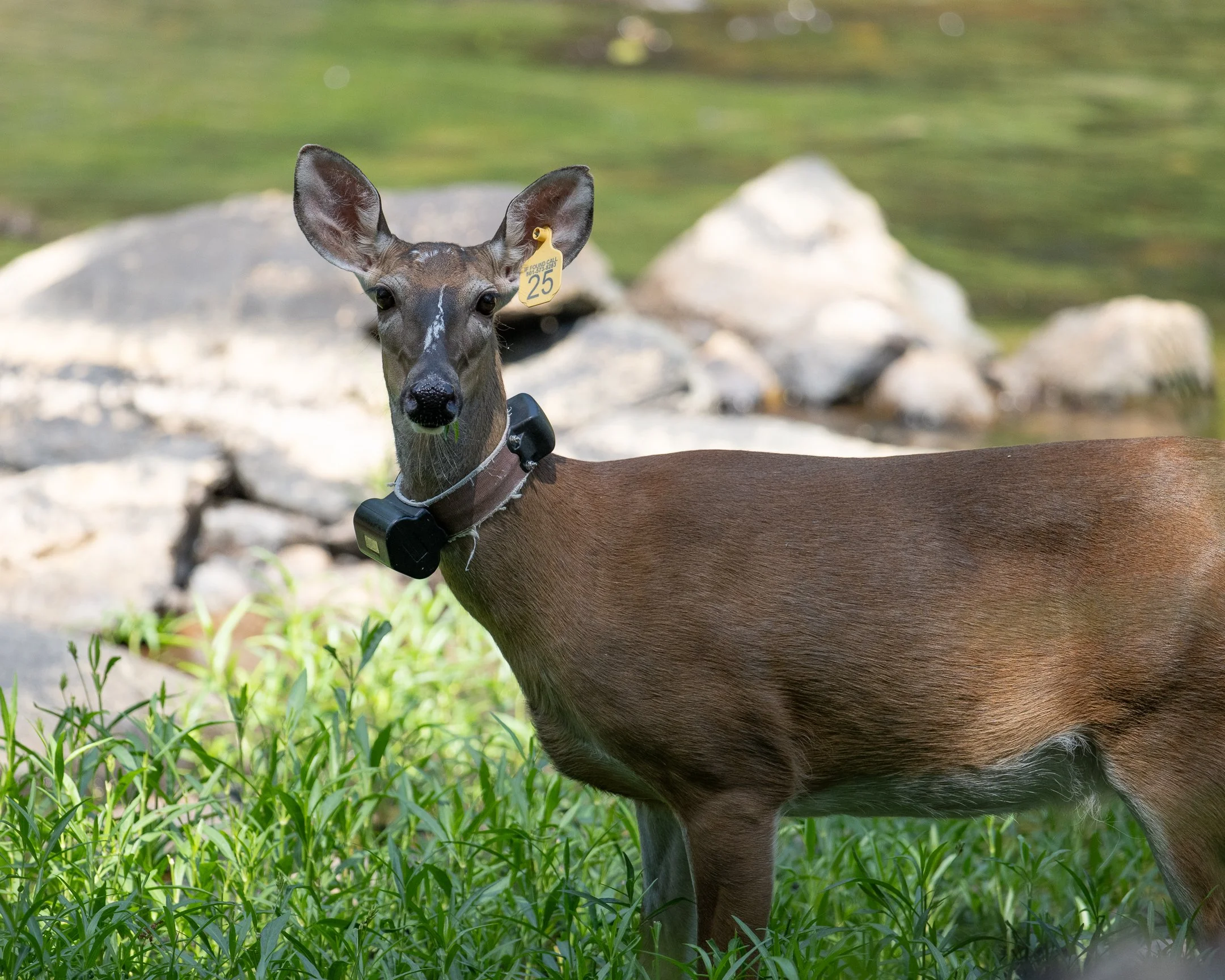
When I began to move away from the habitats most severely impacted by the drought, I could hear the return of the sounds of songbirds, the leaf-crunching steps of a deer herd moving behind the trees and the courting hoots of barred owls within the tree canopy. Life began to thrive again in areas that had more resources, naturally. I wondered to myself if any of these wild animals came to this area to survive due to their former territories being positioned near the dried-up sections of the lake. As I trekked away from this swath of the natural world, I was grateful for the opportunity to learn about what made this area so special and the top threats to the future of flora and fauna here!
Stories & Images by: Cassia Rivera