

Trek for Connectivity: Segment 14 ~ Wetlands, Forests, and Rivers
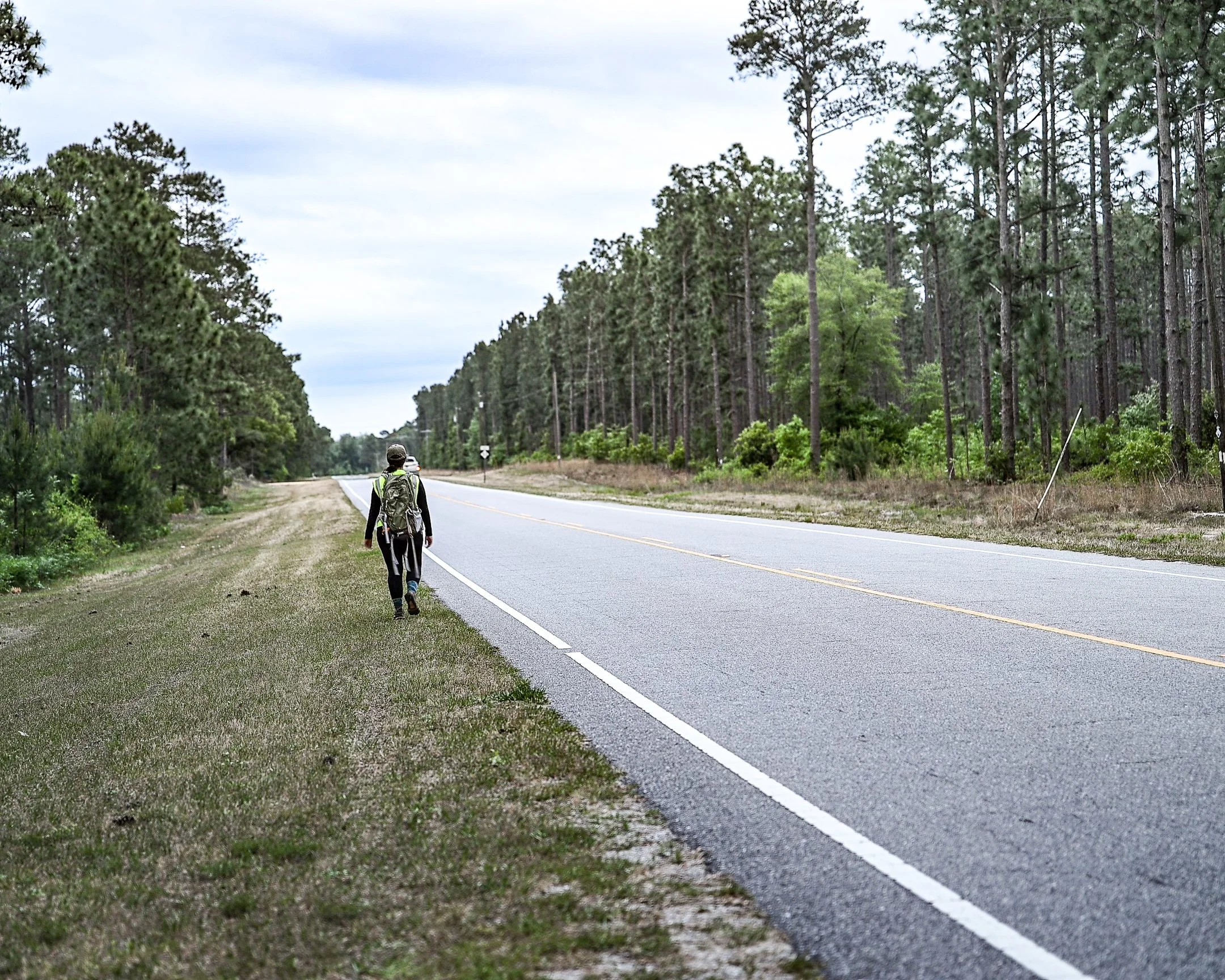
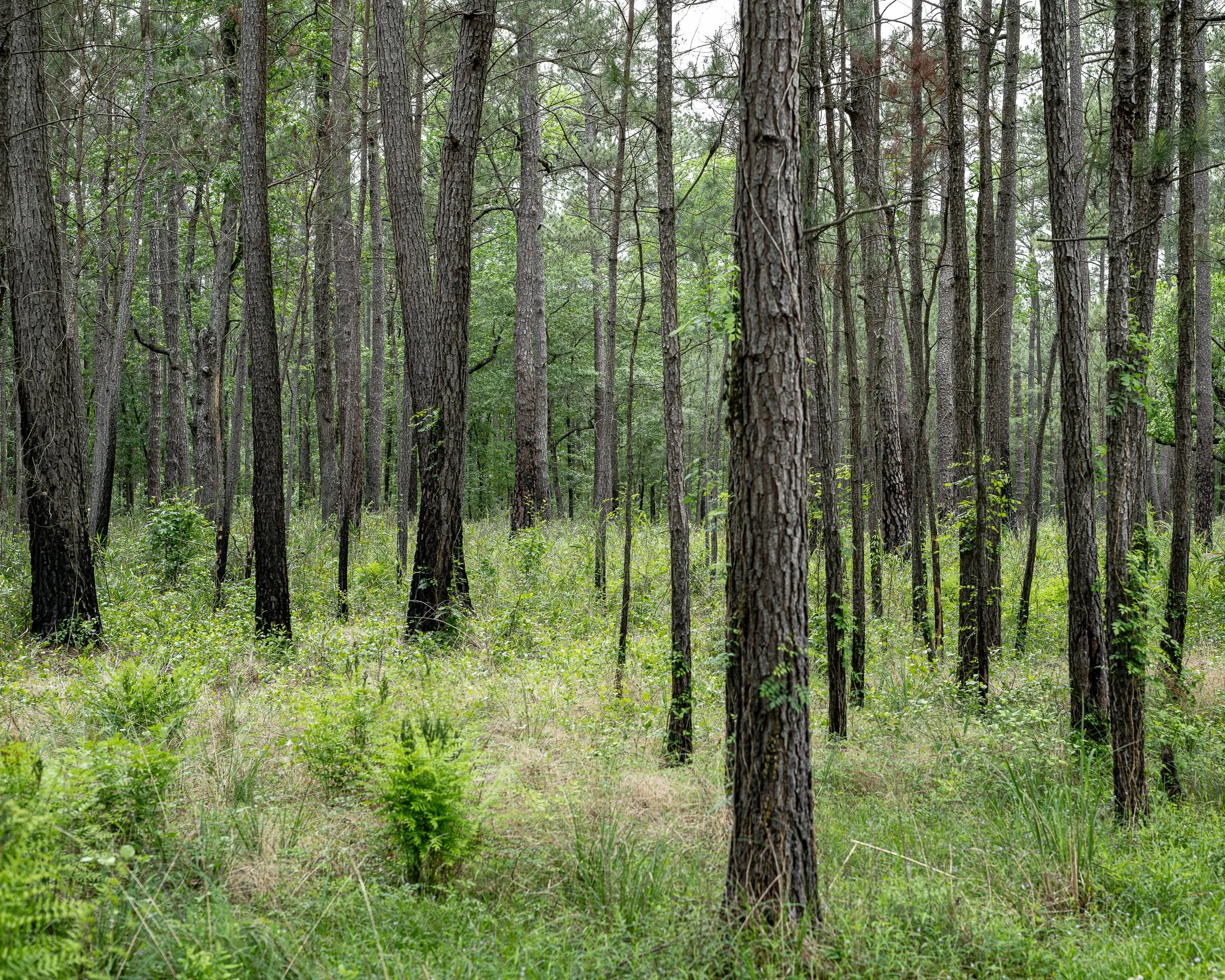
As I turned right onto the paved roadway from my time hiking over 18 miles within the Holly Shelter Game Land, I began the next segment that would entail hiking mostly roadways for the next 66 miles. To be quite honest, I wanted to turn back to the habitat that surrounded me for hours on end. The longleaf pines, wildflowers, birds chirping, deer herds, and glimpses of new growth was where I wanted to continue to be instead of on the side of a road facing constant traffic head on.
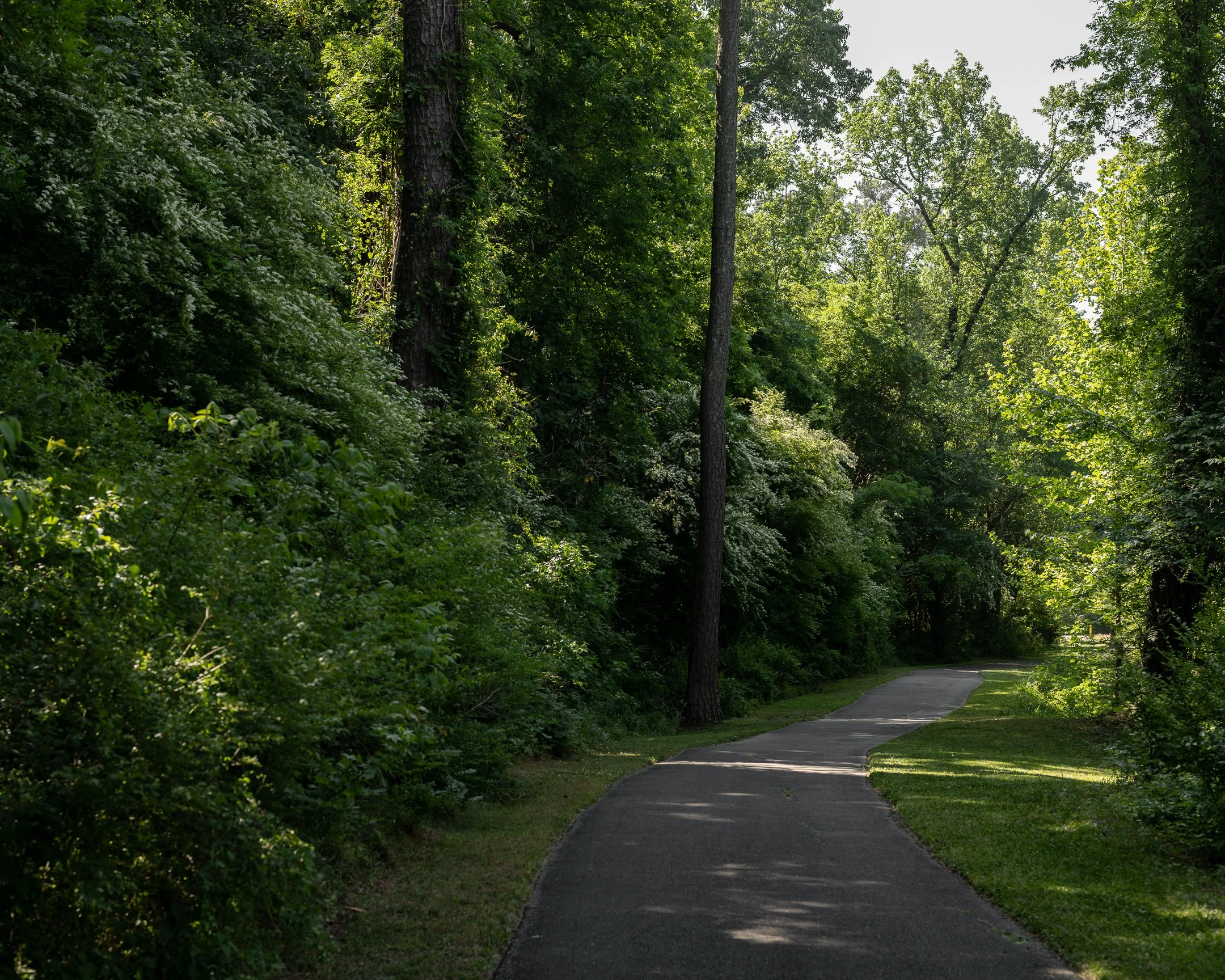
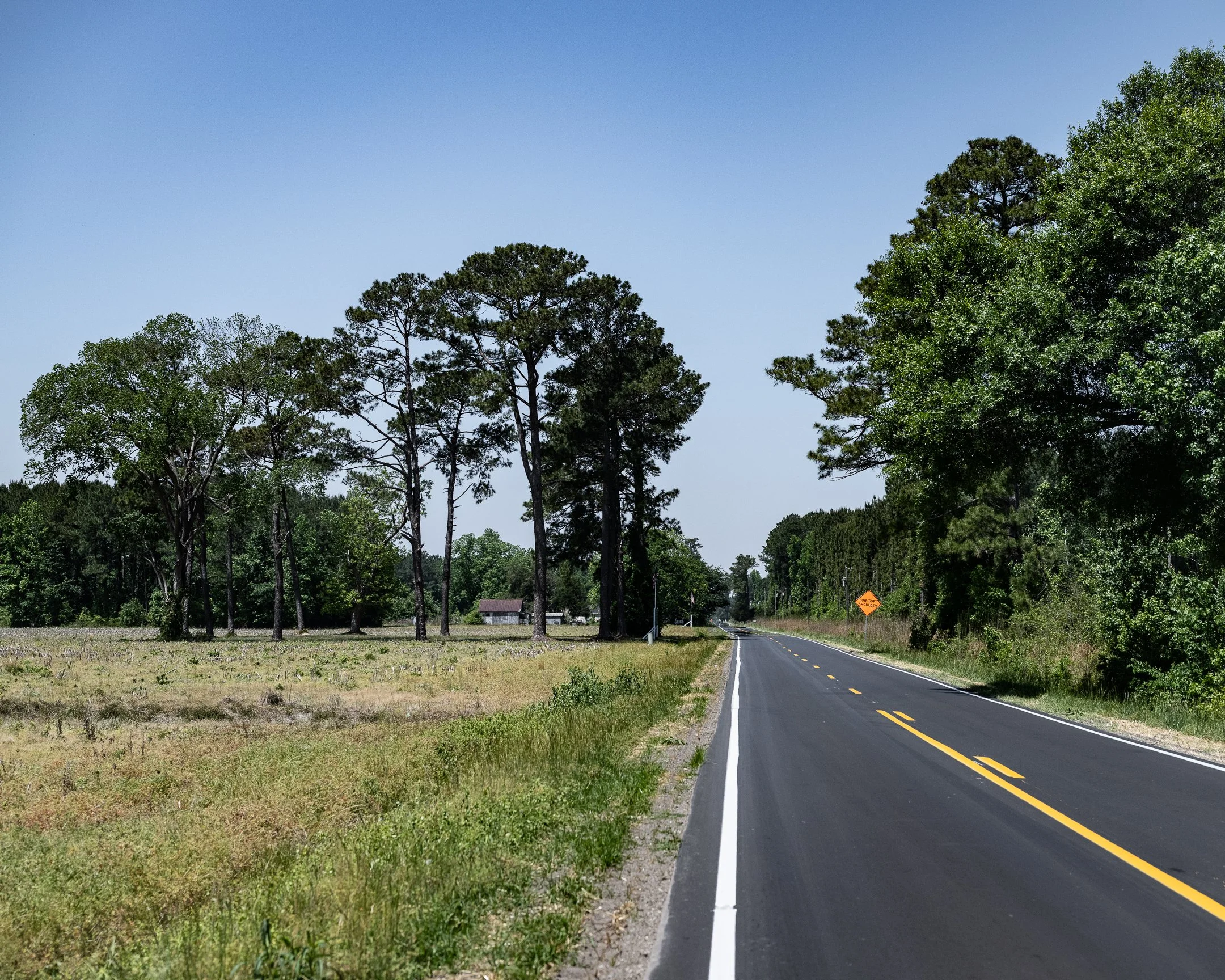
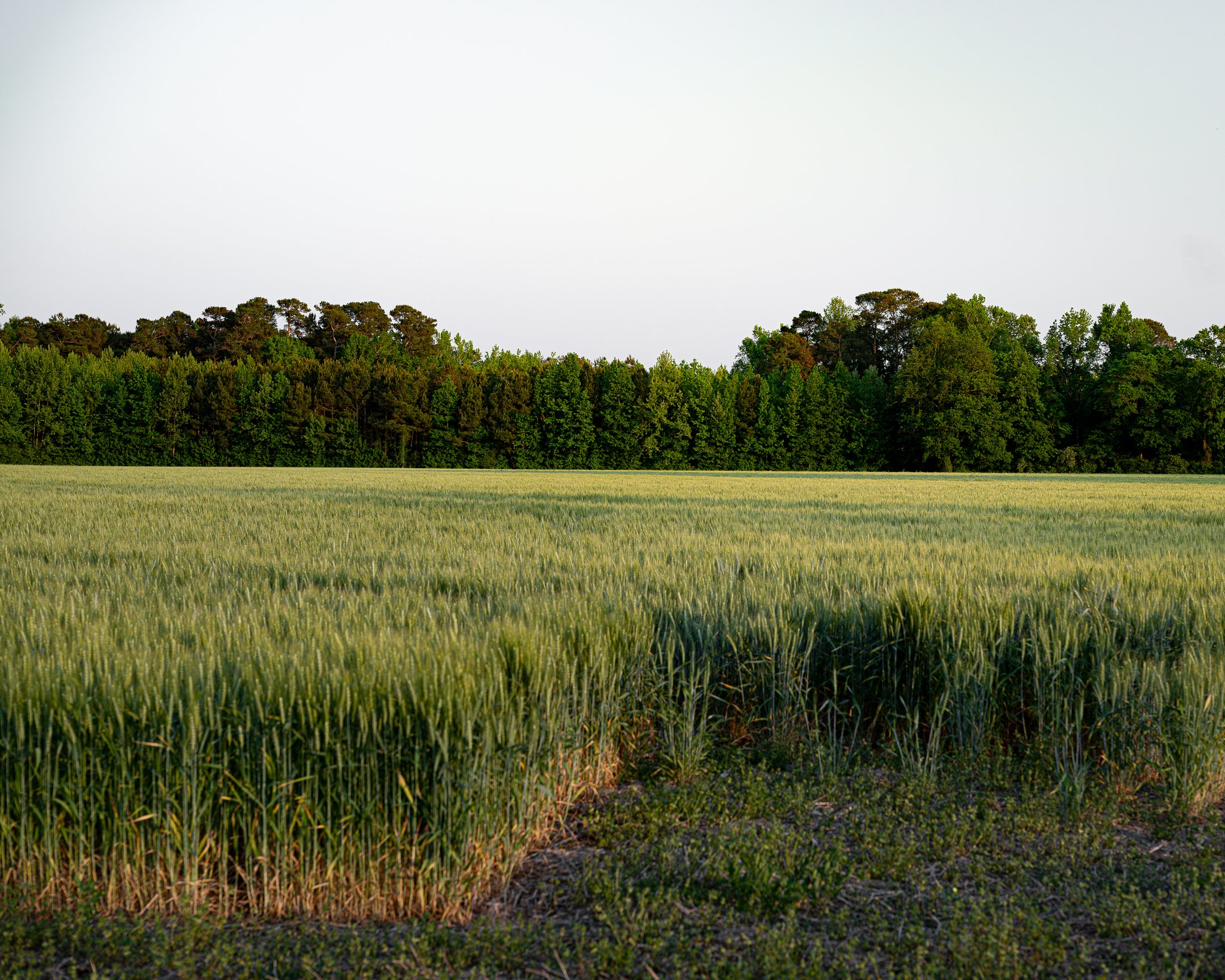
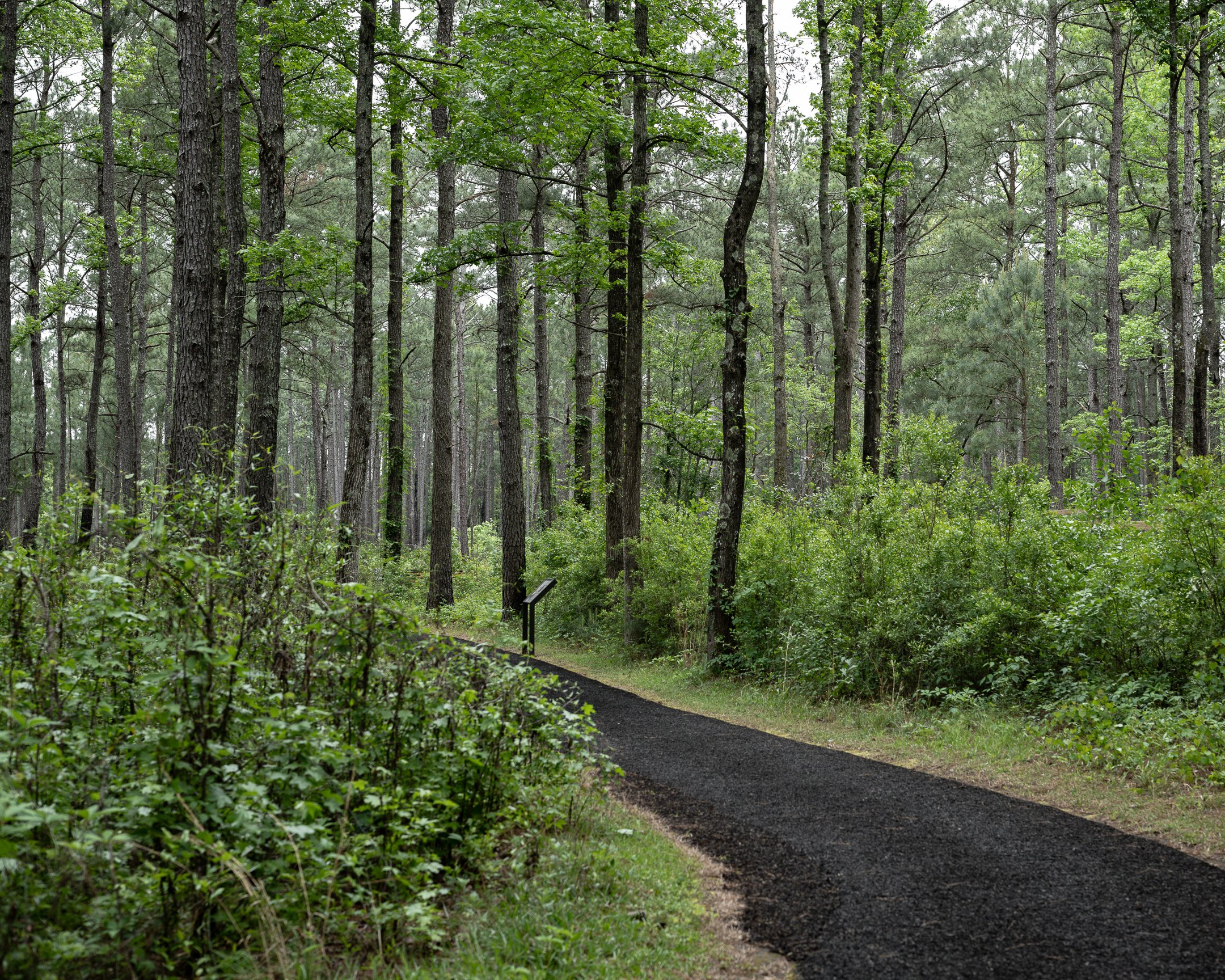
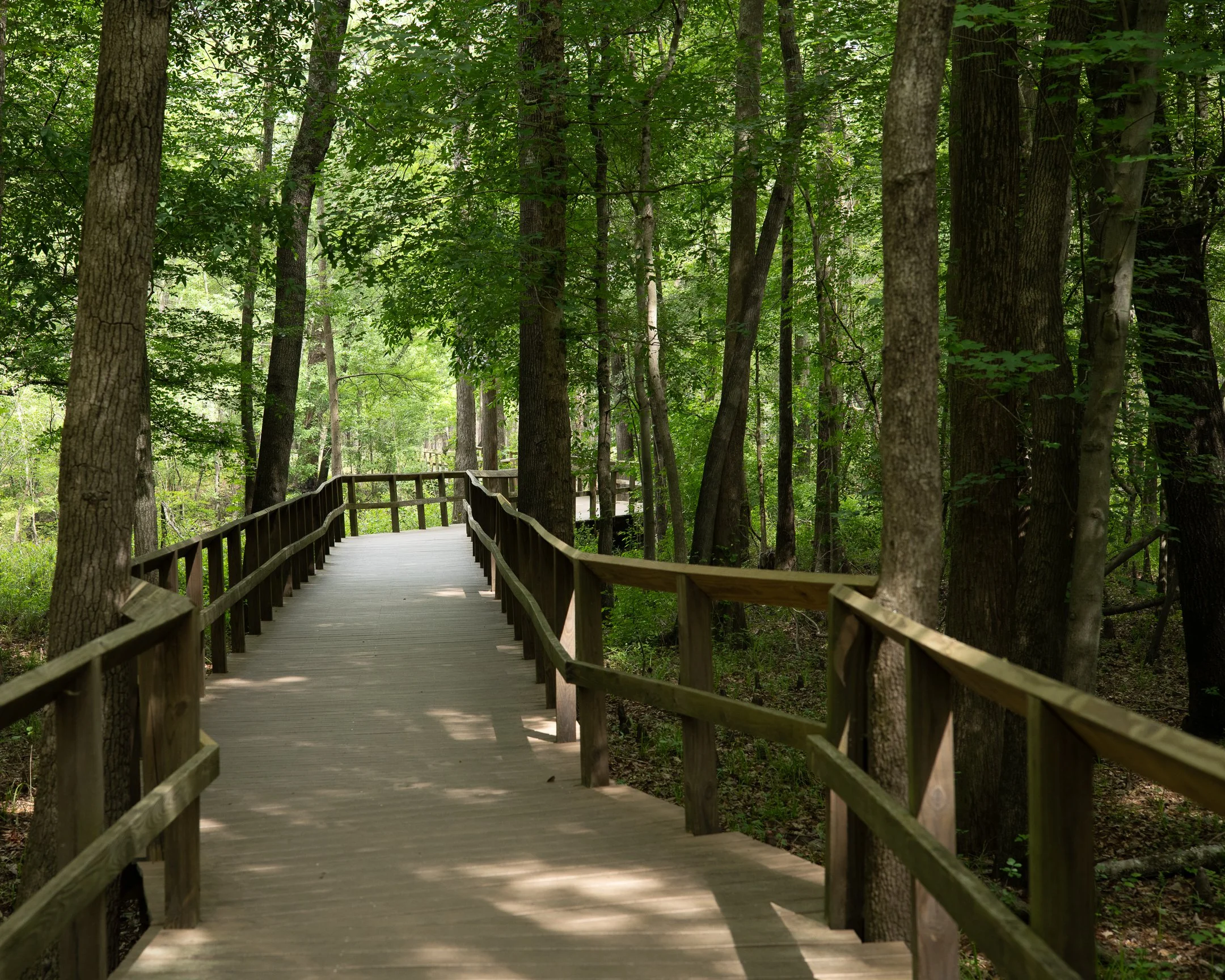
With every passing mile, I started to settle in, almost surprised that my journey wasn’t taking on the dramatic and near-death experience that my mind had created. The trail led me from the the side of the road into the beauty of a winding greenway trail system and back onto quieter roads that flanked forests, farmlands, and wetlands. These natural areas may have been broken by the asphalt I was standing on but I still felt like I was in nature, observing the scenic landscapes and wild lives that called these beautiful places home.
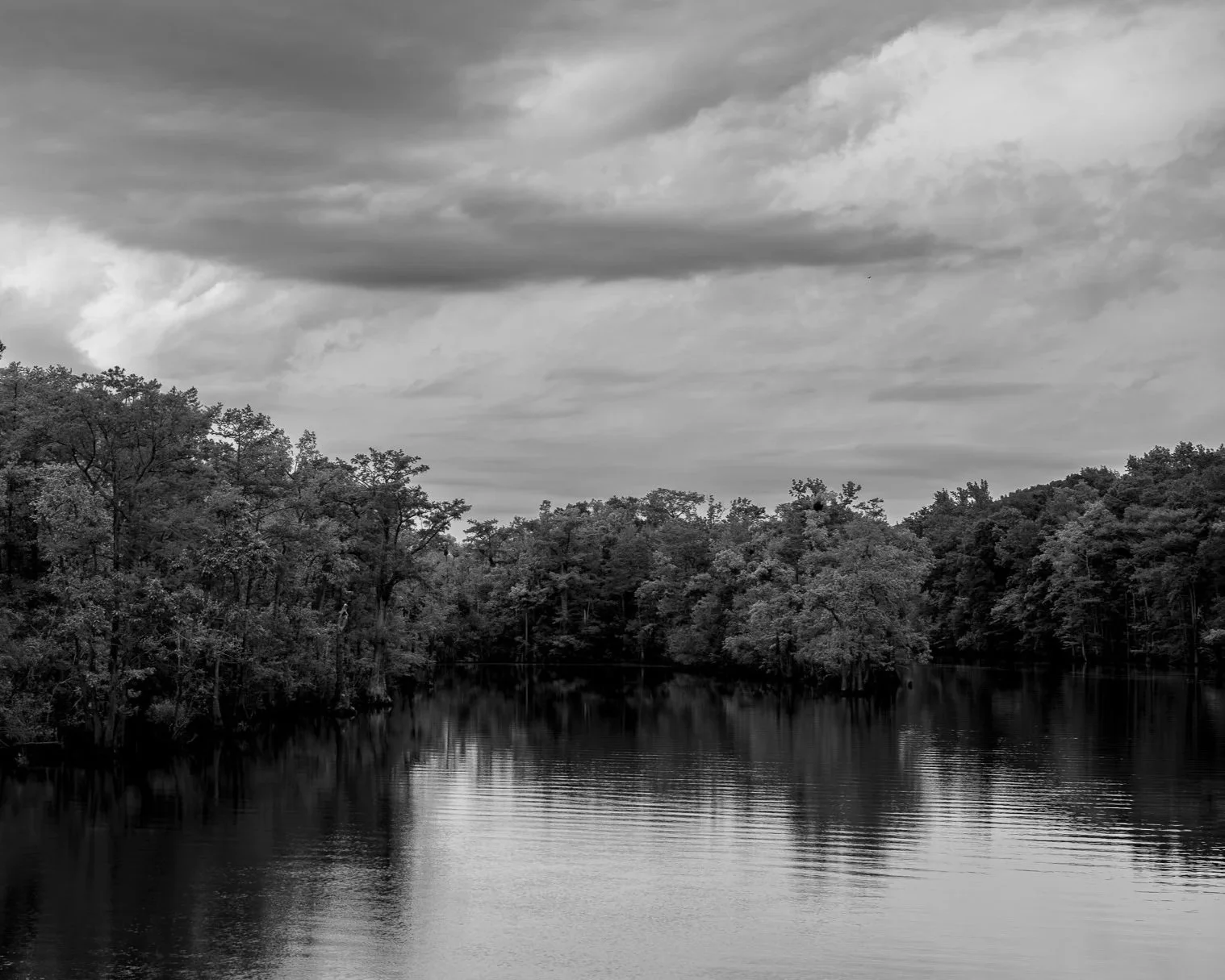
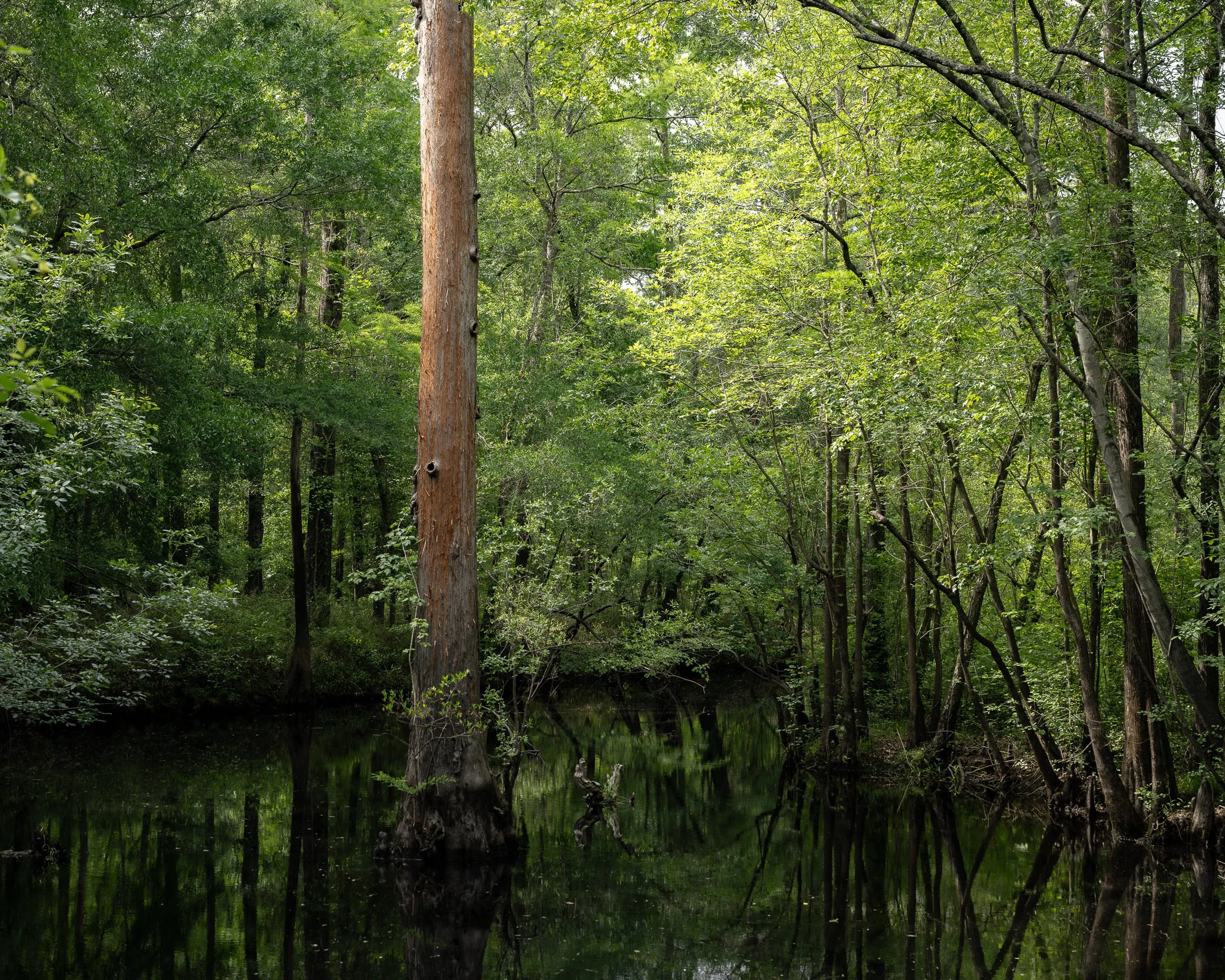
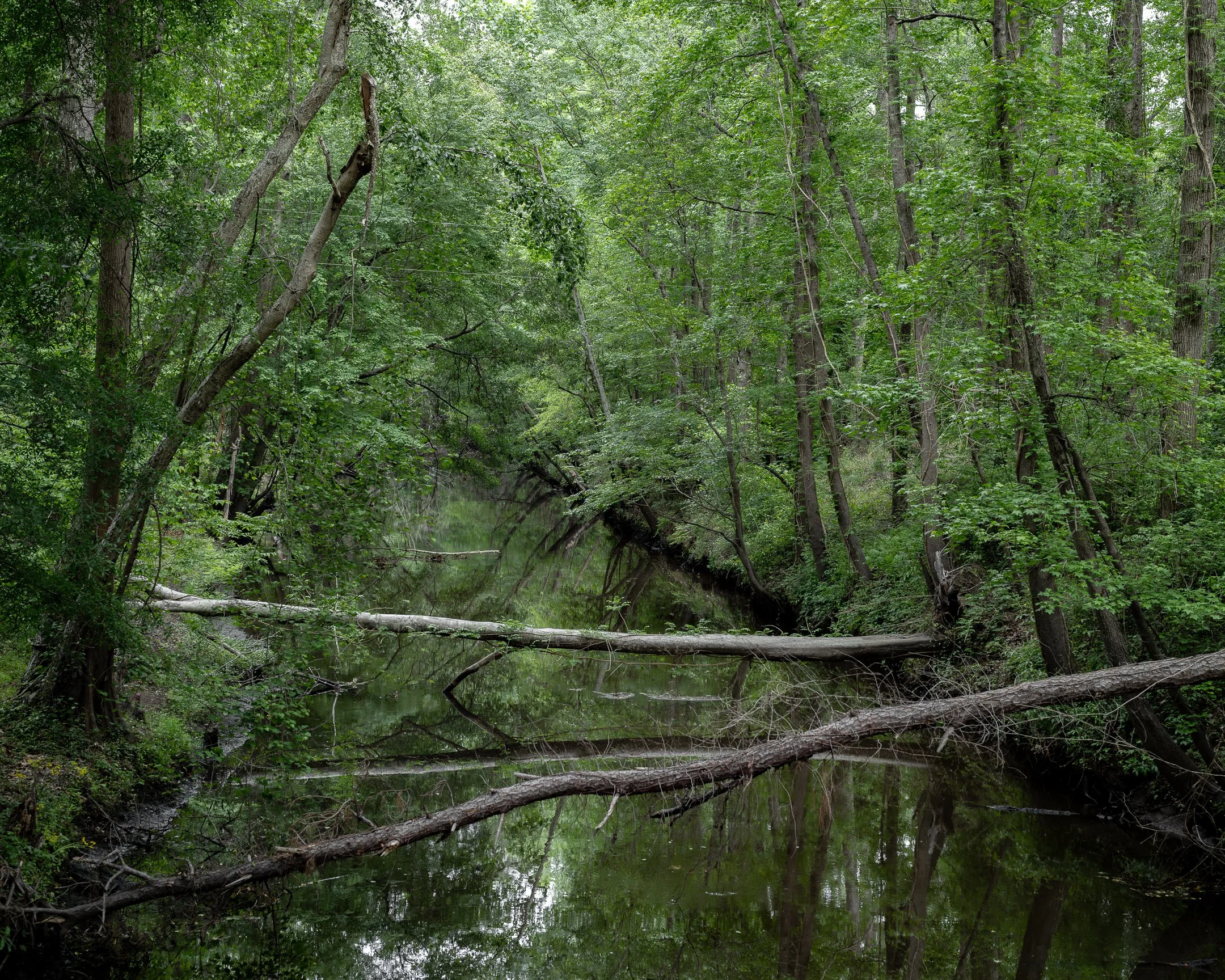
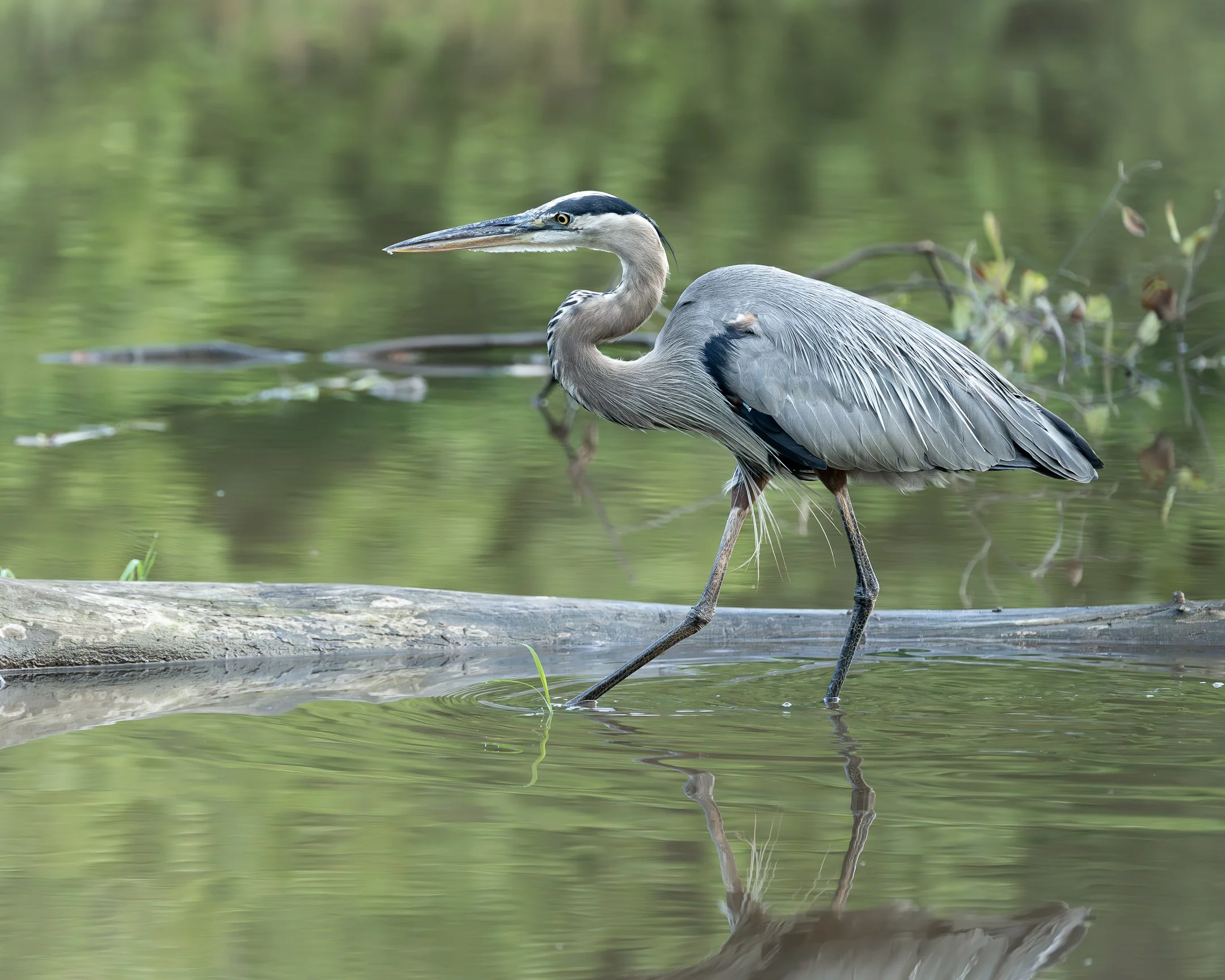
Bridges served as my passage over the Northeast Cape Fear River, a tributary of the Cape Fear River, and the Black River, a river renowned for its ancient bald cypress swamps. I stopped multiple times to document the breathtaking scenery here while taking notes in my field journal to remember the gravity of the moment. These waterways are a significant natural resource for this part of North Carolina while also serving as critical wildlife corridors for terrestrial, semiaquatic, and aquatic wildlife navigating from the Piedmont to the Coastal Plain.
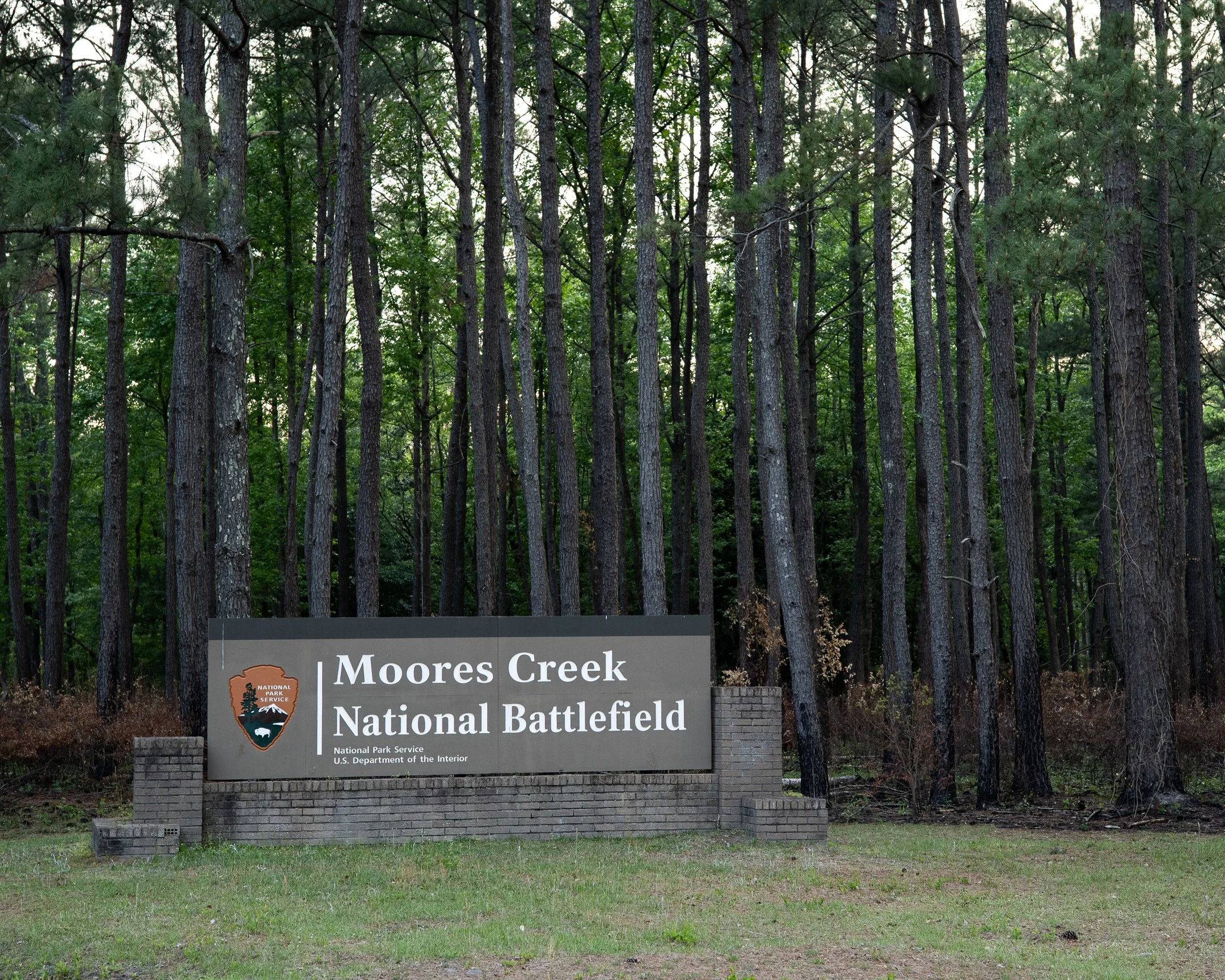
As I continued my journey, the trail brought me through the Moores Creek National Battlefield. This 90 acre National Park Service site not only memorializes a key victory in the Revolutionary War, it also plays an important role in conserving wet pine savannas and longleaf pine uplands. Just last year, around 2,000 acres of adjacent land to the park were conserved and added to our Natural Heritage Areas registry to increase protection of these habitats!
This 66 mile journey taught me to use my road miles wisely in order to uncover the natural world in a new light. I learned that I don’t have to be on an unpaved trail to explore and discover the intricacies of nature, especially in areas where so many people are coming together to protect these special places. Because water and industrial pollution, habitat loss, and environmental hazards are just some of the threats to these waterways, you can learn more about the work being done to protect the Cape Fear River and the Black River in this area by visiting the links below:
Story & Images by: Cassia Rivera