Trek for Connectivity: Segment 15 ~ Topsail Island Ecosystem
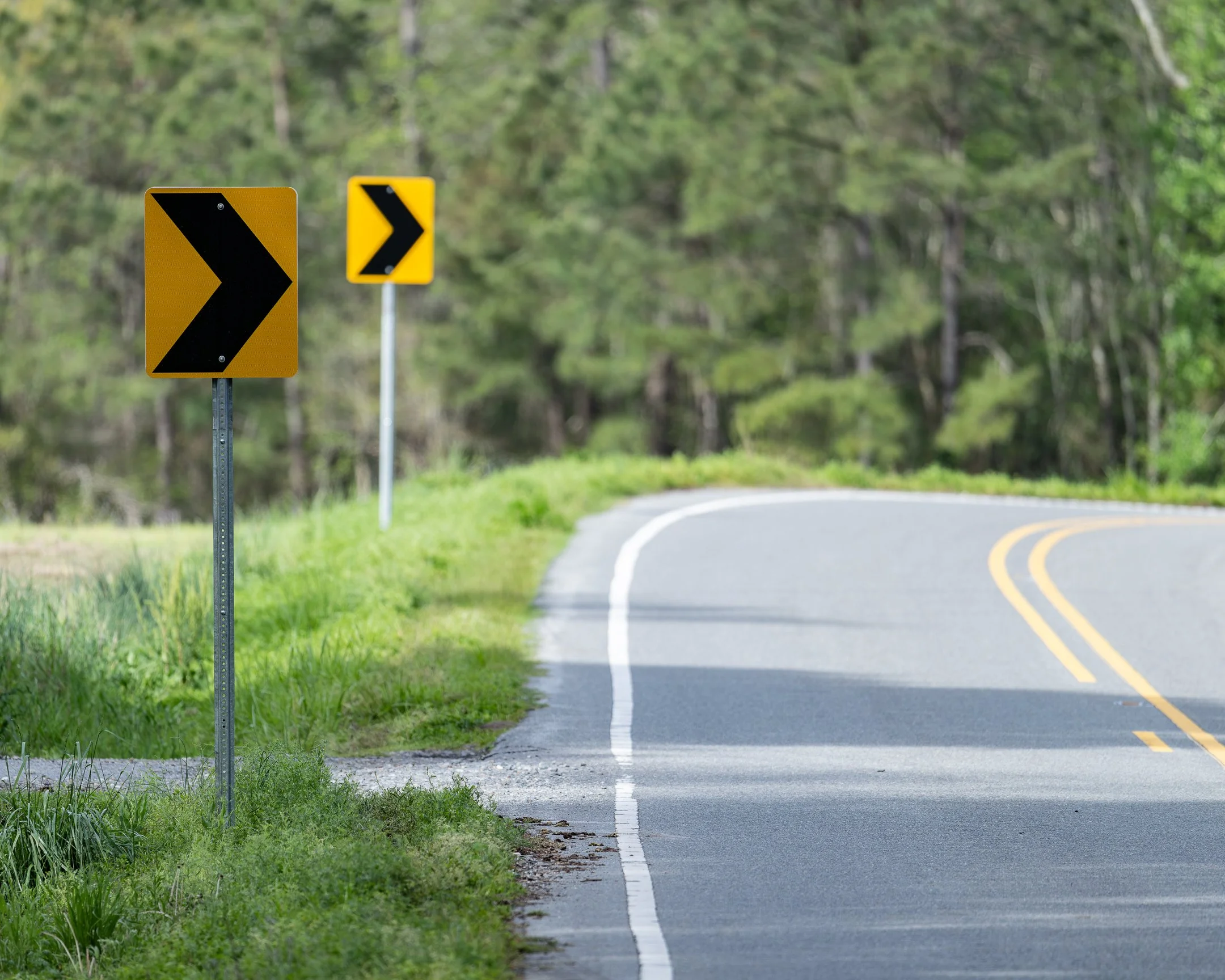
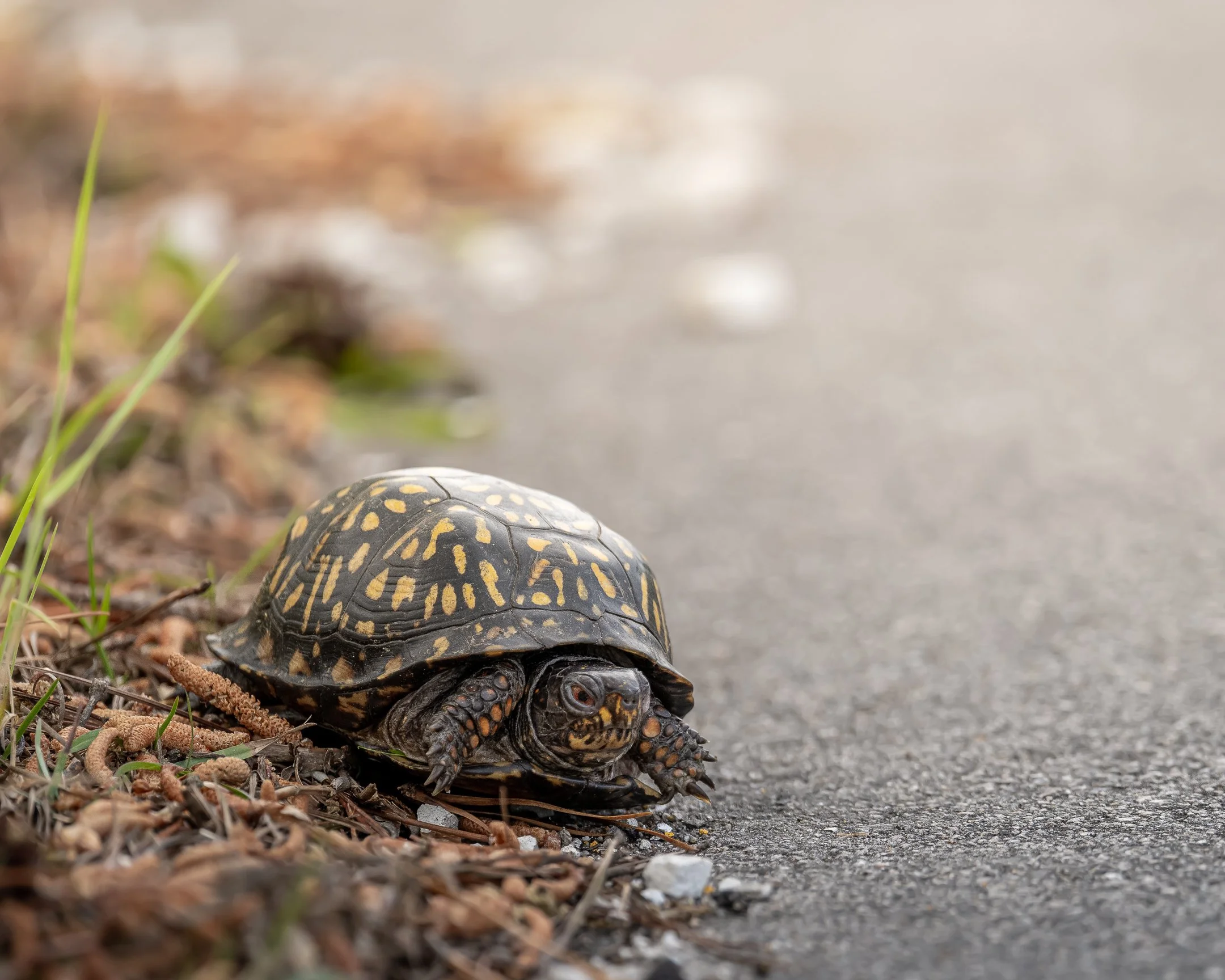
I first began my hike into this segment on countless miles of busy roadways through the Jacksonville area. Of the 90 miles set before me, 53.2 miles were on paved roads, catapulting me directly into the face of fragmentation. The roar of traffic was as pleasant a sound as nails on a chalkboard, but I kept my focus on documenting the deceased wildlife I continued to come across alongside the highway during my journey. Eventually, I passed entrance points into Marine Corps Base, Camp Lejeune, a familiar force for good in the work to protect habitats, waterways, and threatened species like the Red-cockaded woodpecker here in North Carolina. Nostalgia set in as my mind played back the memories of filming for a project long ago to show this area as one of the top 20 highway hotspots in need of wildlife crossings identified by Wildlands Network in a research study you can find here: https://www.wildlandsnetwork.org/news/prioritizing-wildlife-road-crossings-in-north-carolina.
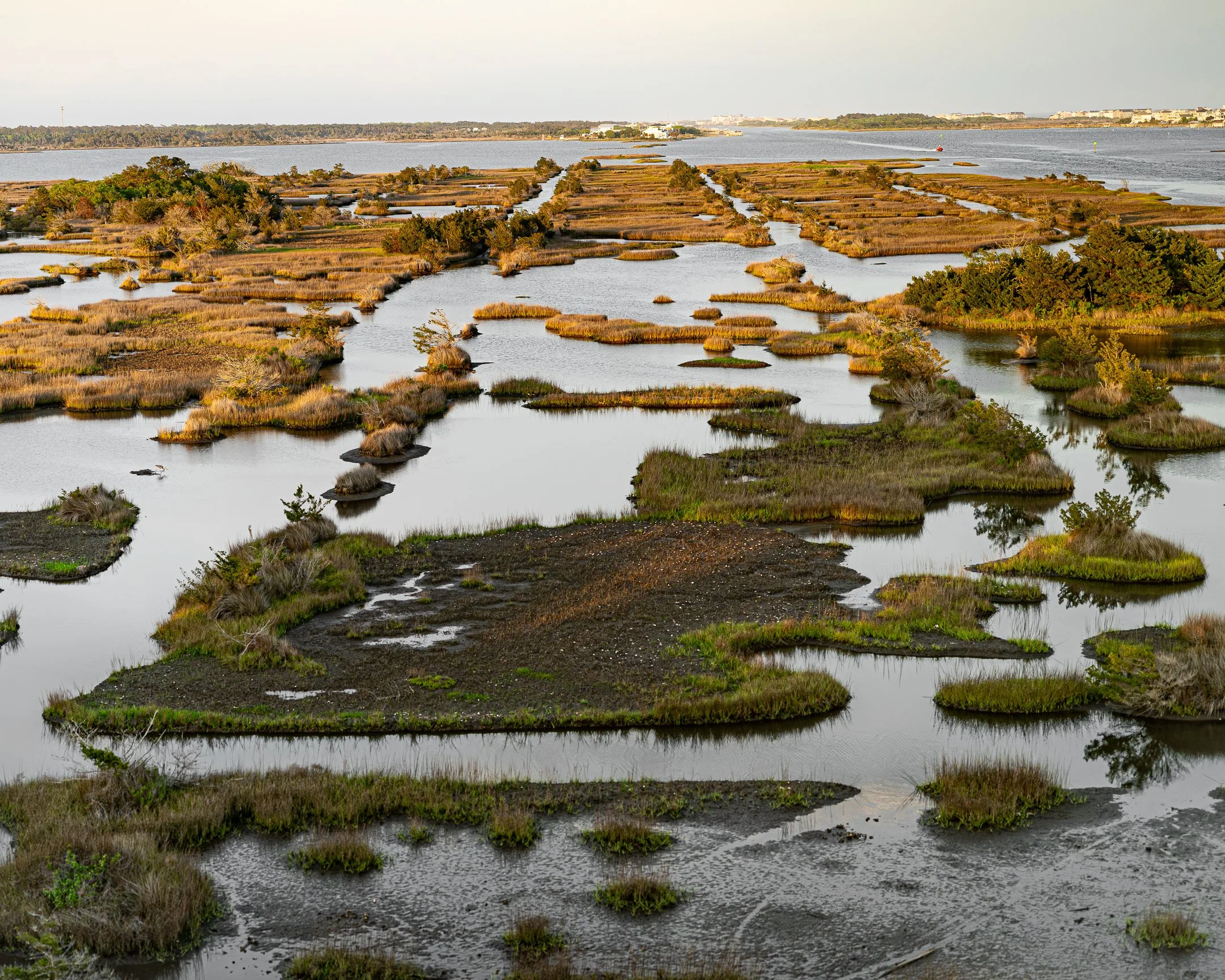
As I turned down the roadway that took me over an old bridge and into the coastline, I had more appreciation for the sound of wind and waves than ever before in my lifetime. As I stepped onto the sand, I breathed in the salty air with a deep appreciation to be off of the busy roads and into the beauty of the natural world in Topsail Island. The Topsail Island ecosystem is surrounded by maritime forests, tidal creeks, and salt marshes that serve as protective habitats for wildlife within the barrier island system. The southern end of the island, named The Point, serves as a critical nesting site for green, Kemp’s Ridley, leatherback, and loggerhead sea turtles. The surrounding game lands in the area also serve as critical wildlife corridors for mammals, reptiles, and amphibians. Hiking several miles within these areas brought into focus the incredible biodiversity that is protected within.
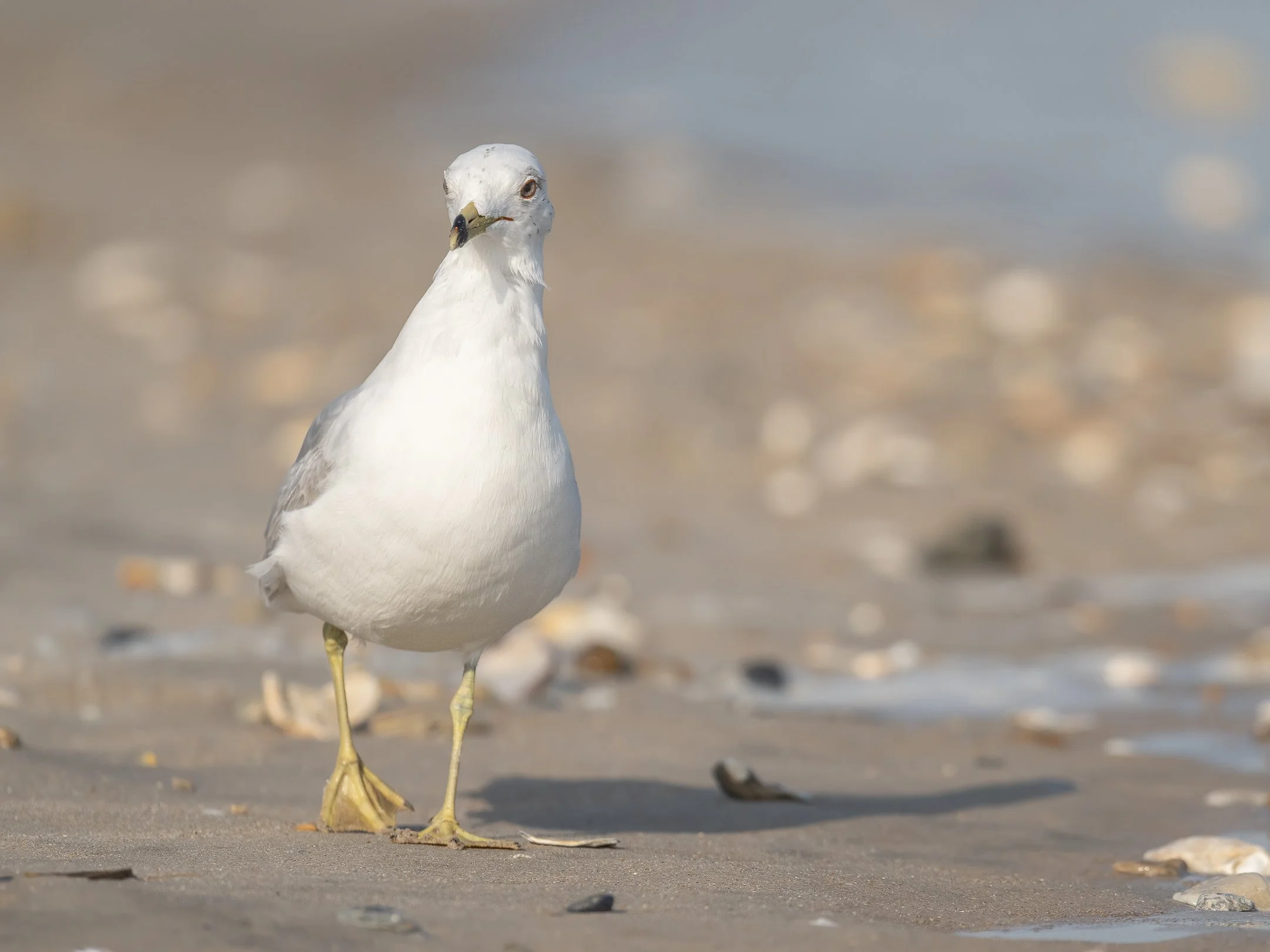
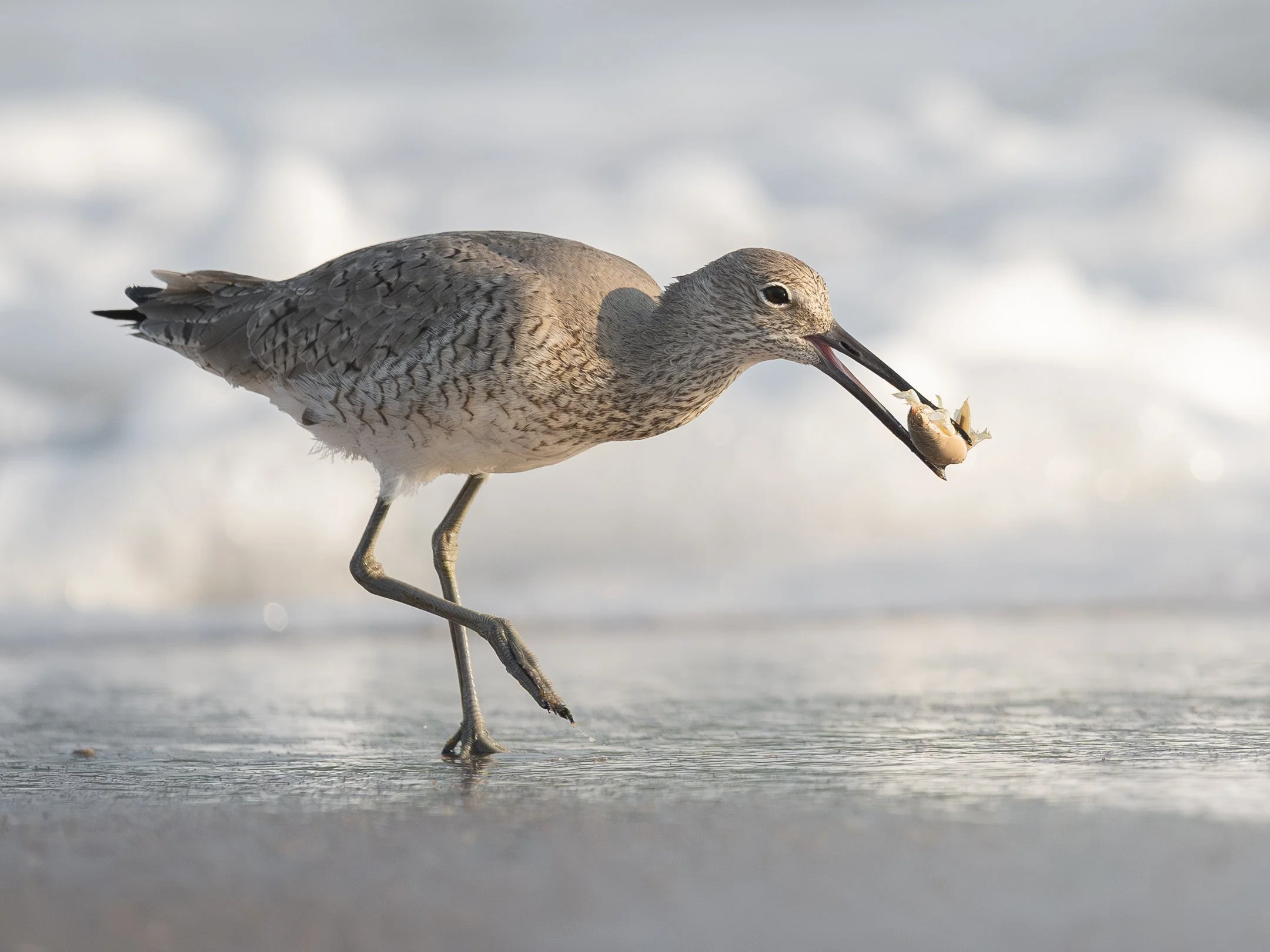
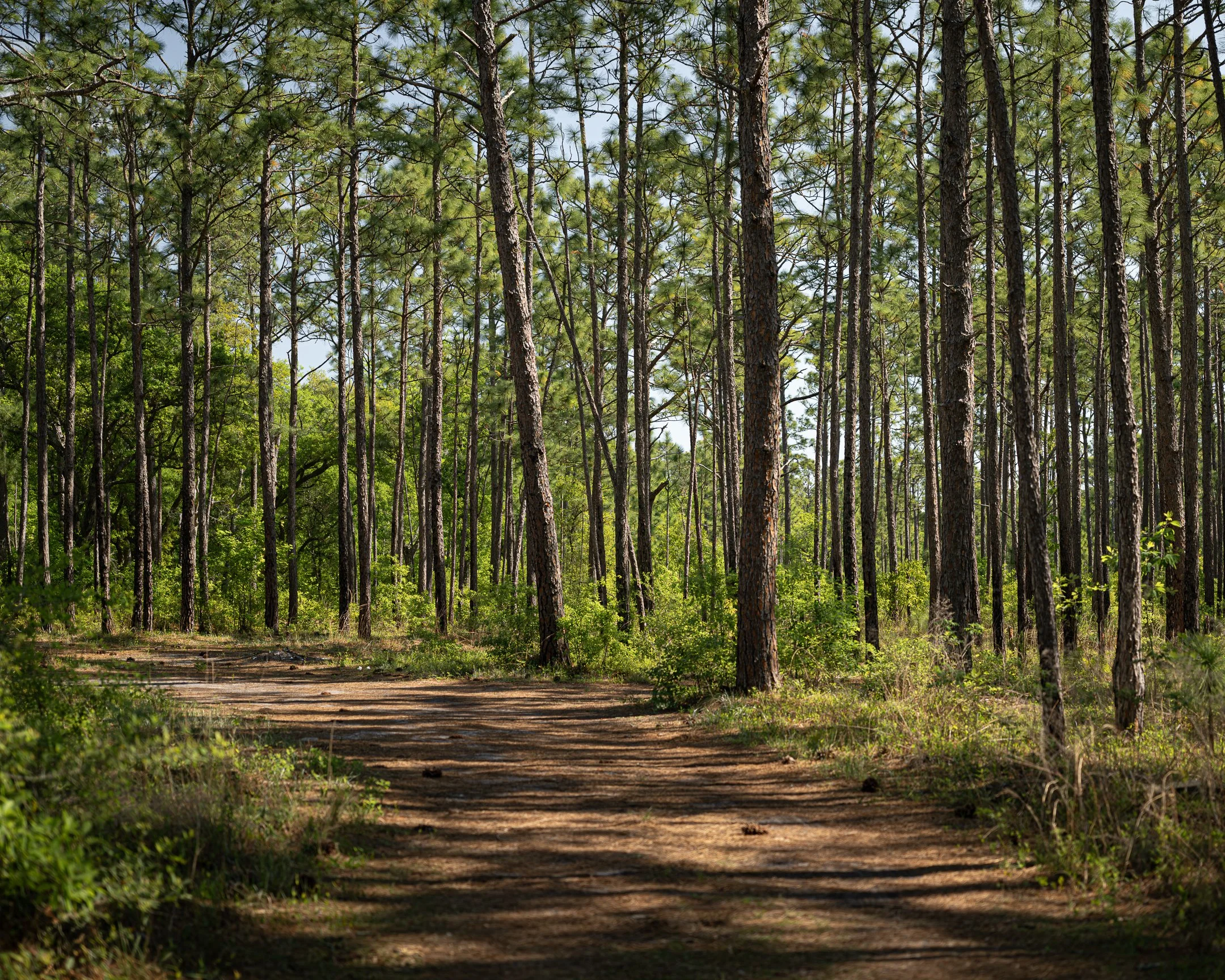
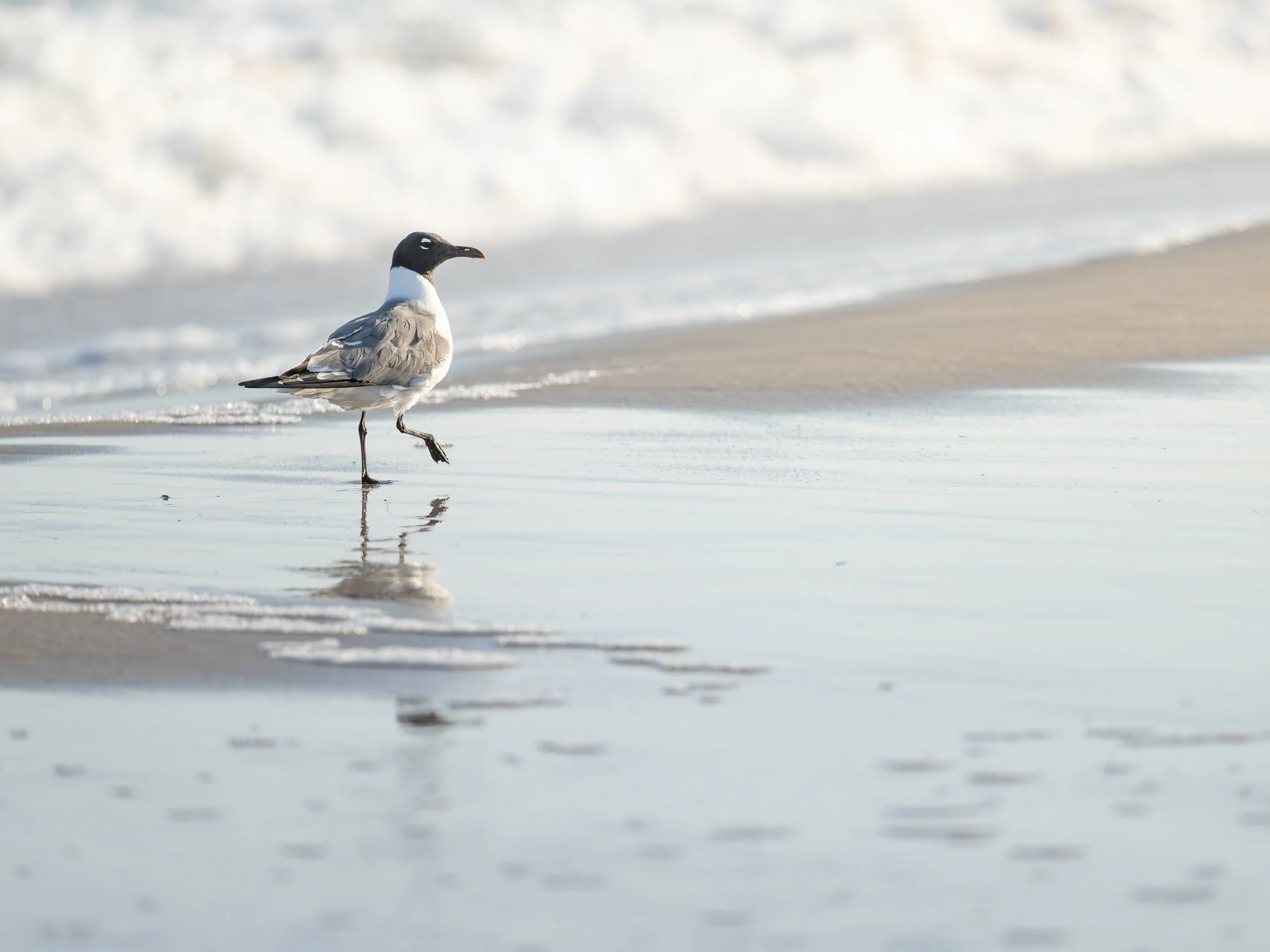
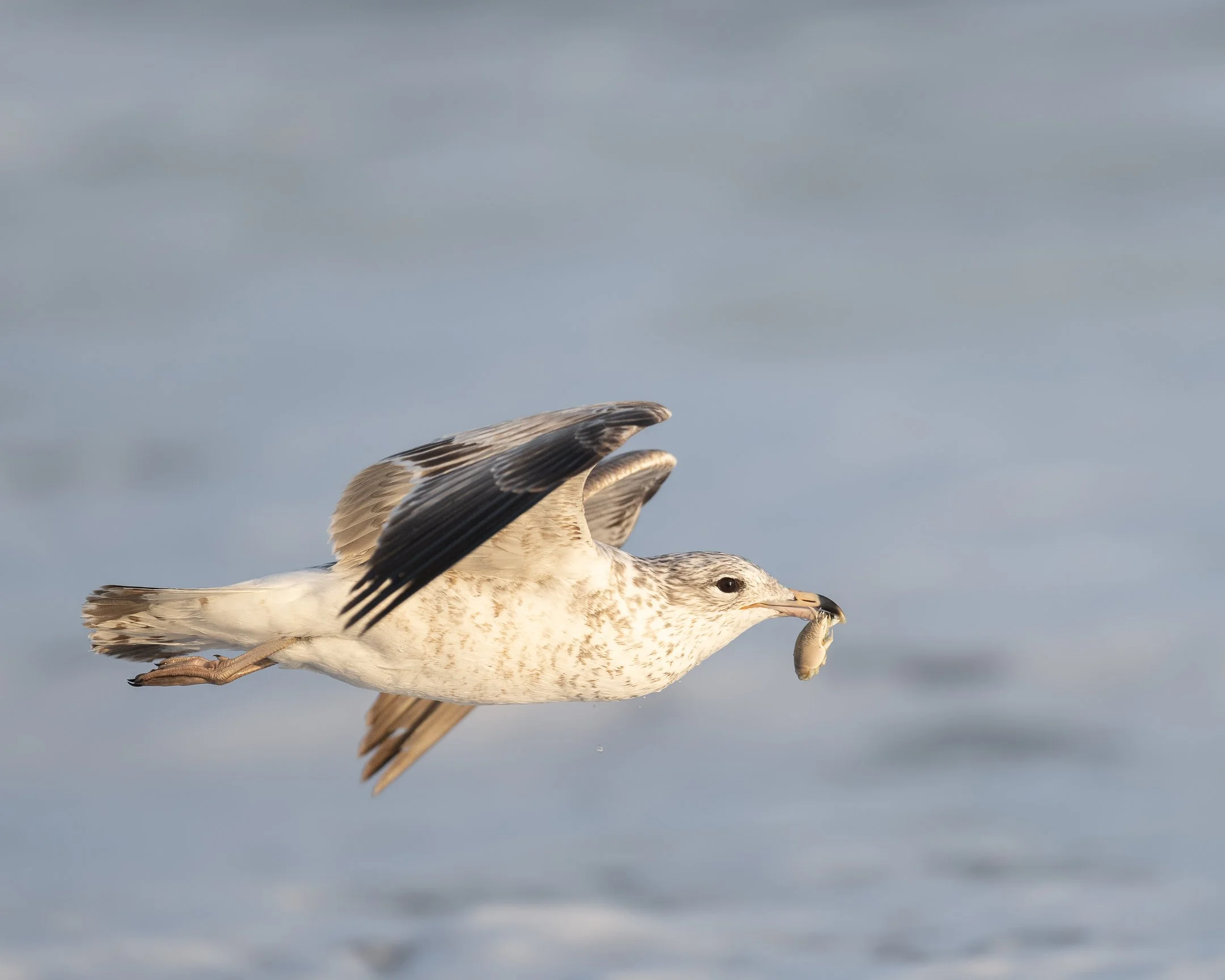
While hiking through 90 miles of the roadways and natural environments within this segment, I was in awe of the interchanging beauty of the coastal ecosystem and longleaf pine savannas that teemed with plant and animal life. Shorebirds foraged along the last several miles of coastline before I finally took the turn to head across the state towards major roadways and a lush game land landscape. Away from the coastal habitat in this area, I found myself hiking alongside wild environments that are home to carnivorous plants like the Venus Flytrap, large mammals like bear and deer, elusive smaller mammals like bobcats, and plenty of reptiles and amphibians! Because shrinking coastlines and overdevelopment threaten the future of this ecosystem, these areas need protection and connection in order to preserve the diverse range of flora, fauna, and our precious natural resources within the waterways.
It is my hope that this hiking expedition raises awareness for the need to gather more volunteers, storytellers, partners, and an invested public who desire to protect our treasured natural spaces like the Topsail Island ecosystem. If you’d like to learn more on some of the work being done in this area and how you can become more involved, check out Conserve the Point at the link below:
Together, we can work to successfully restore, protect, preserve, and connect our natural world in North Carolina for not only our generation, but for generations to come.