Trek for Connectivity: Segment 16 ~ The Croatan National Forest
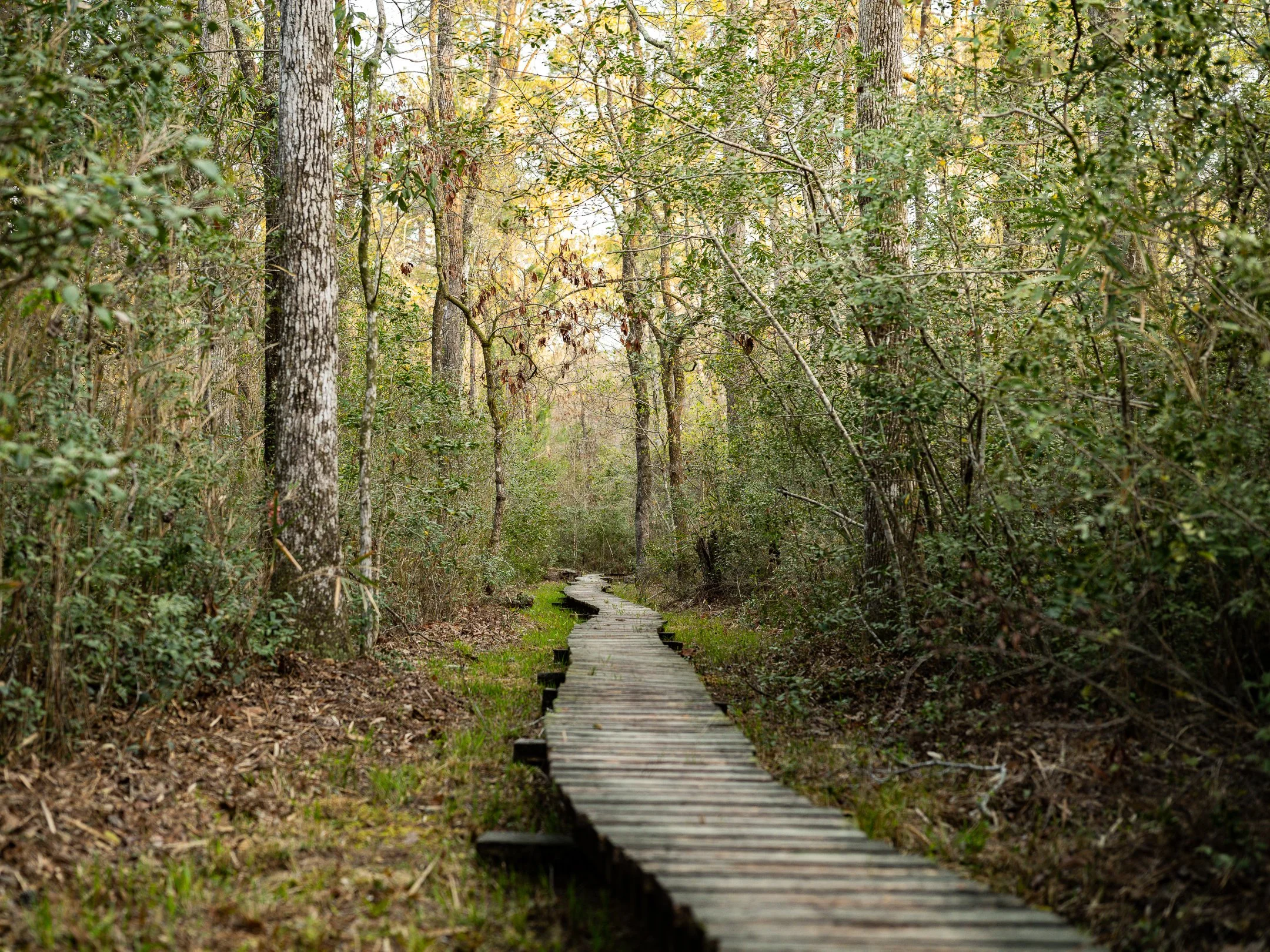
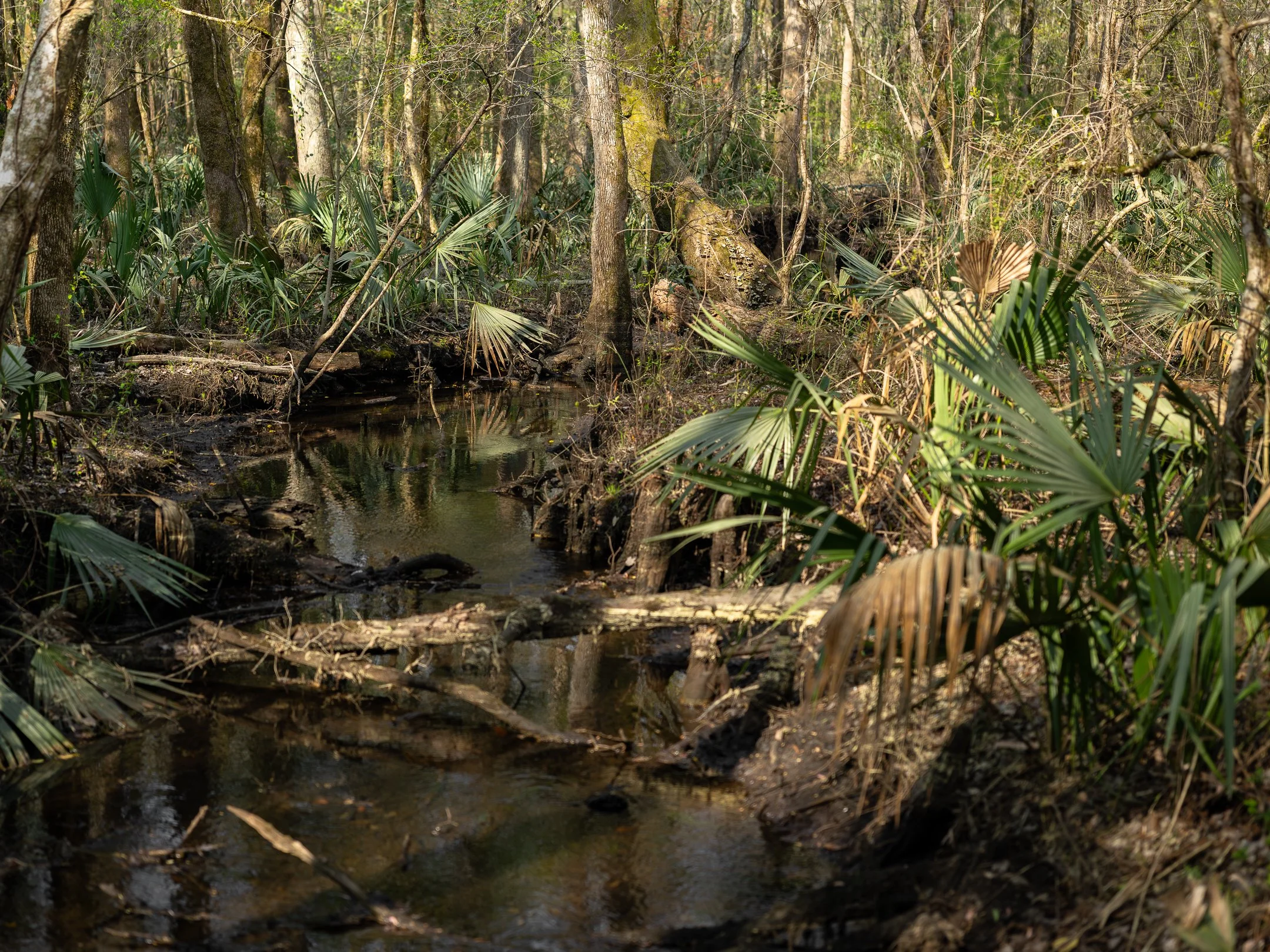
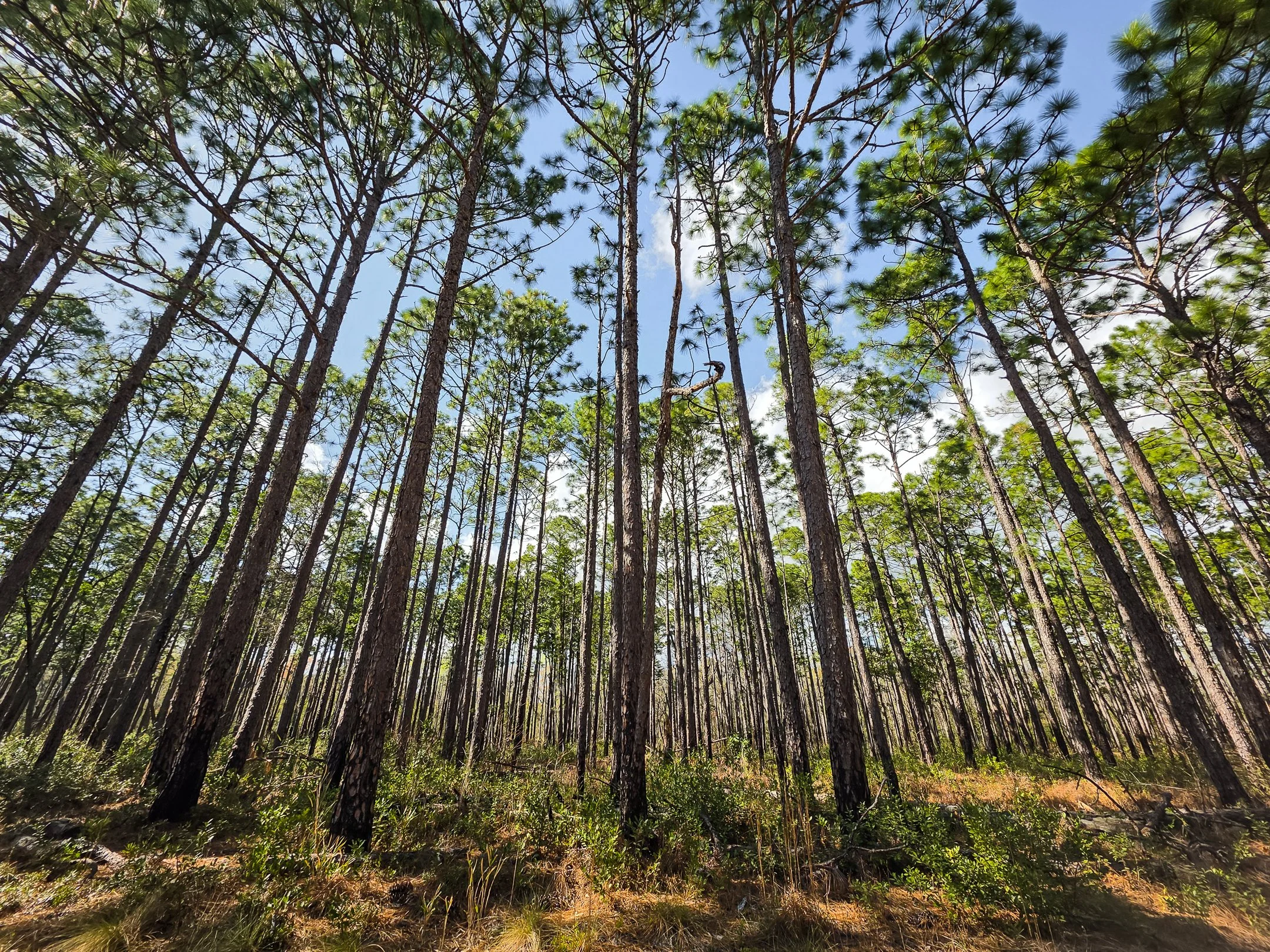
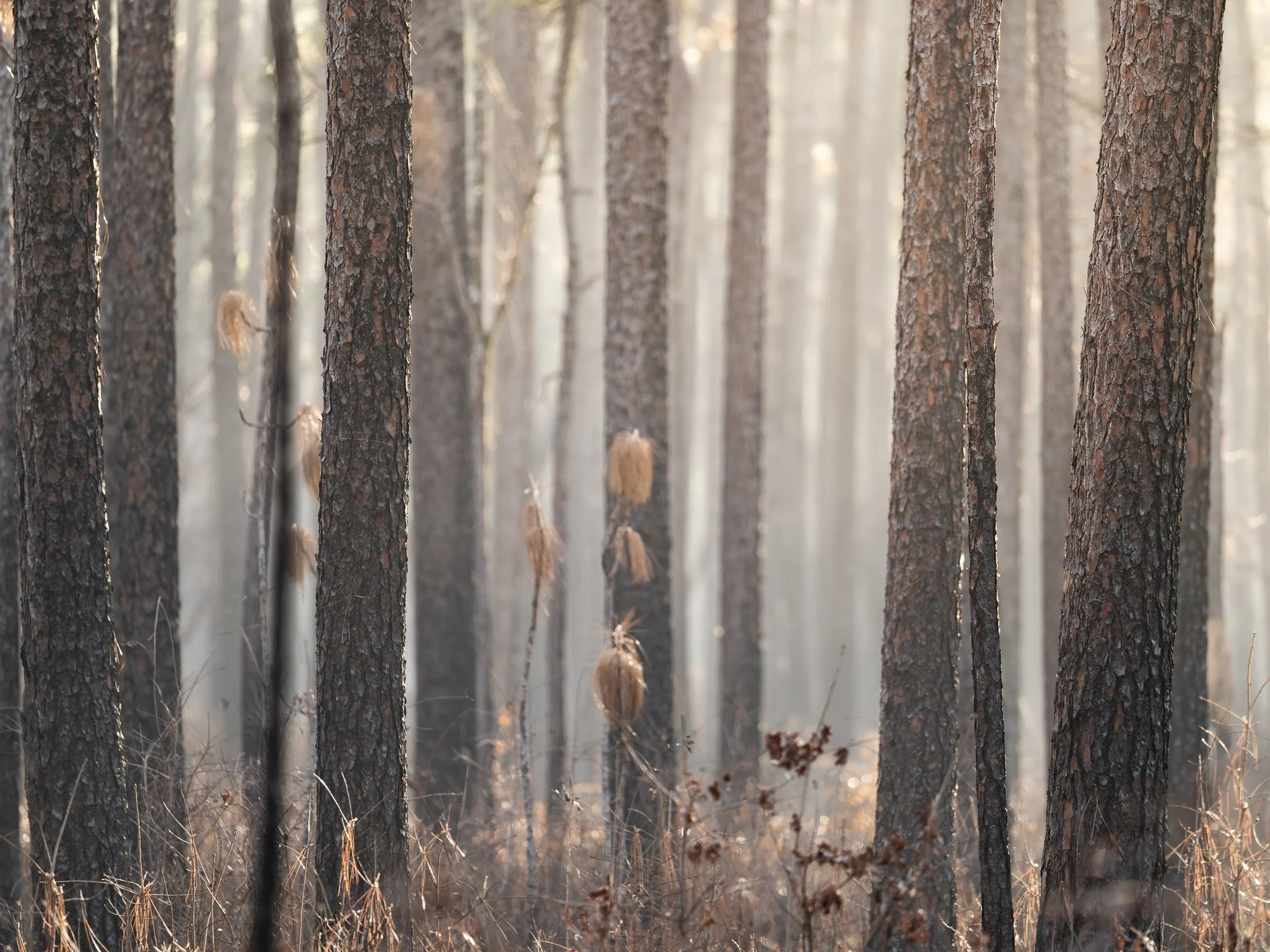
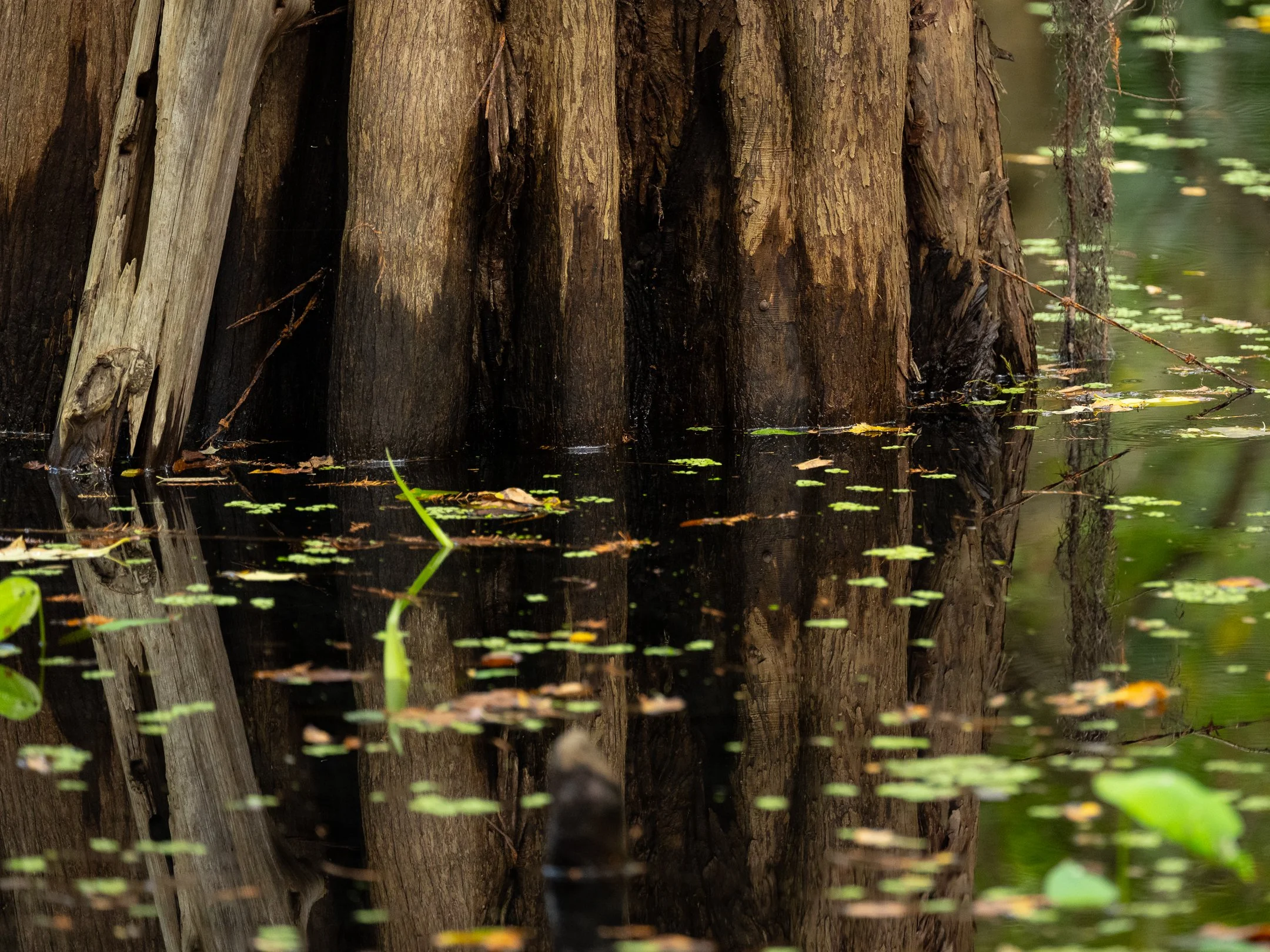
The Croatan National Forest is 160,000 acres of longleaf pine savannas, hardwood forests, saltwater estuaries, bogs, and swamplands that support a diverse range of flora and fauna here in North Carolina. This area acts as a wildlife corridor for many different terrestrial and semi-aquatic species traveling in search of food, shelter, and mates. Imagine my excitement in having the opportunity to fully immerse myself in this ecosystem here for several days during my trek!
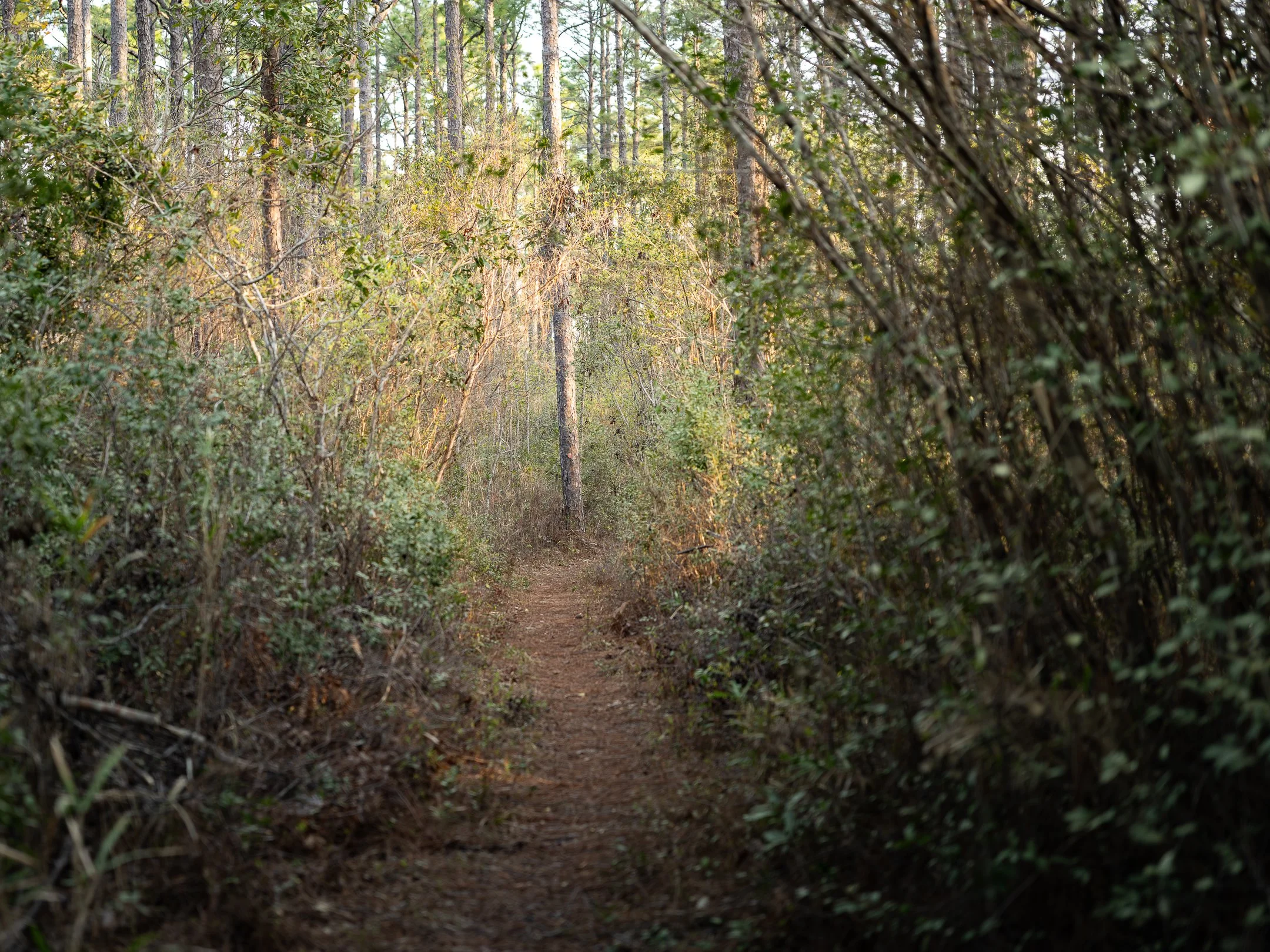
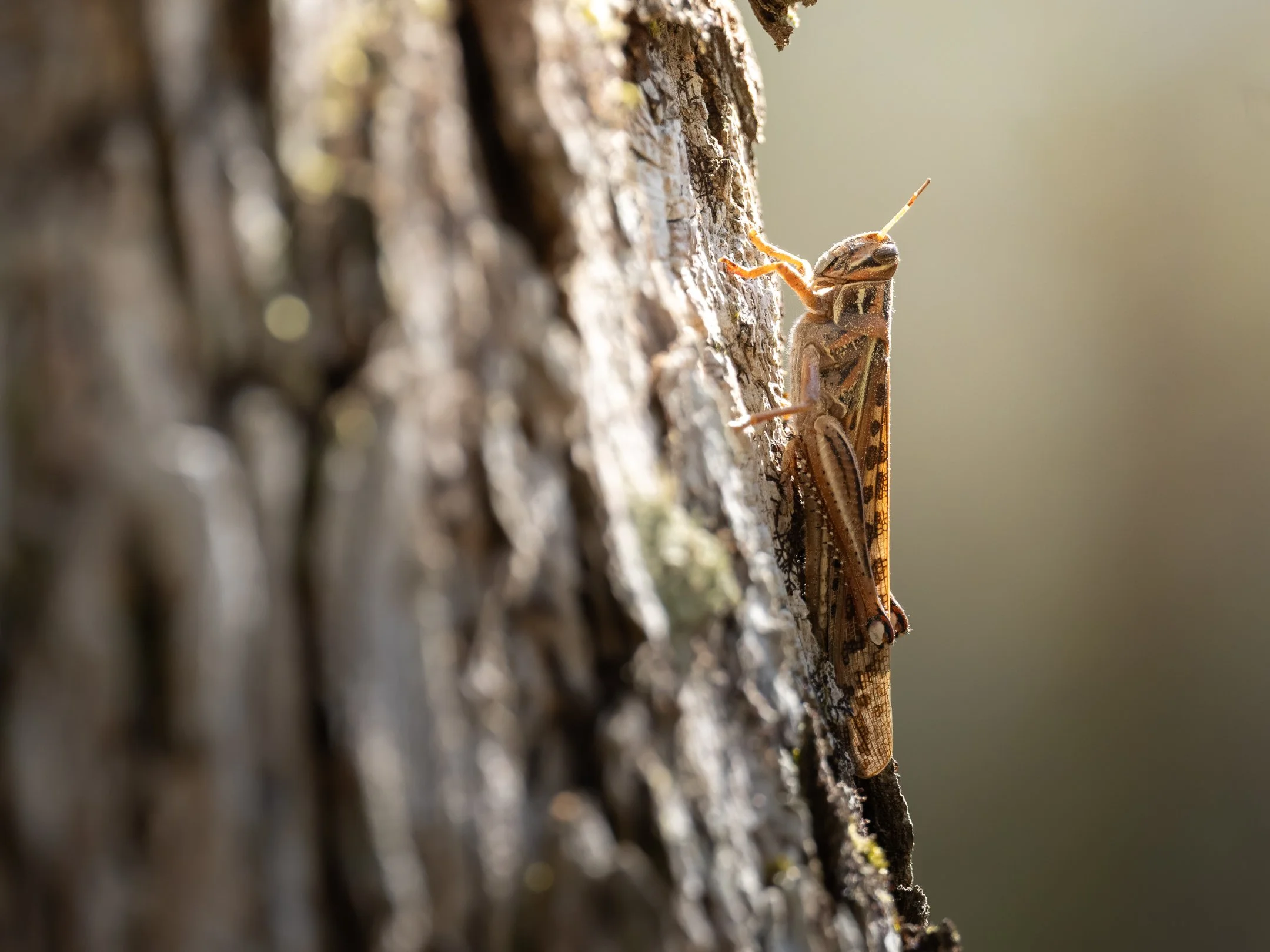
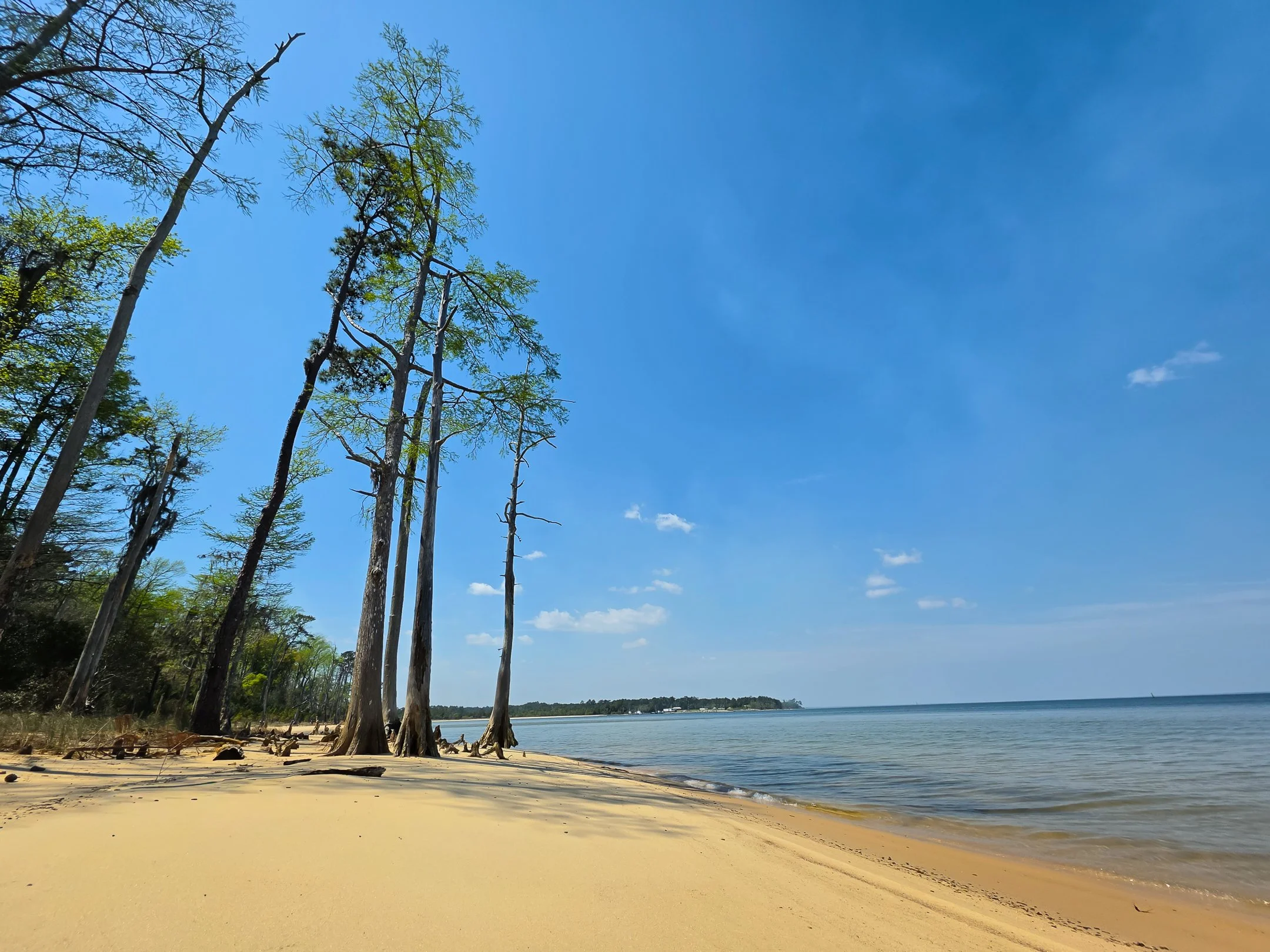
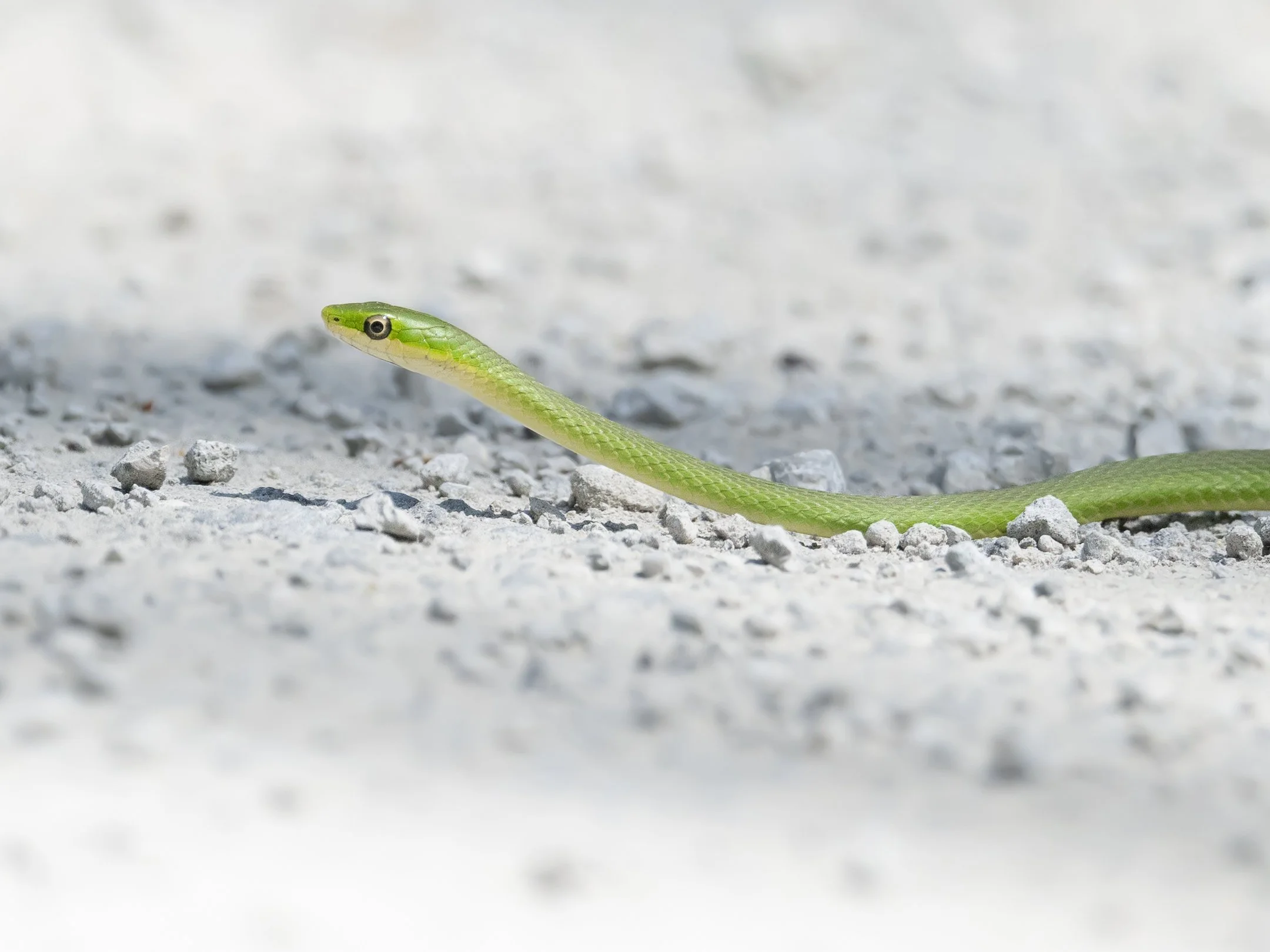
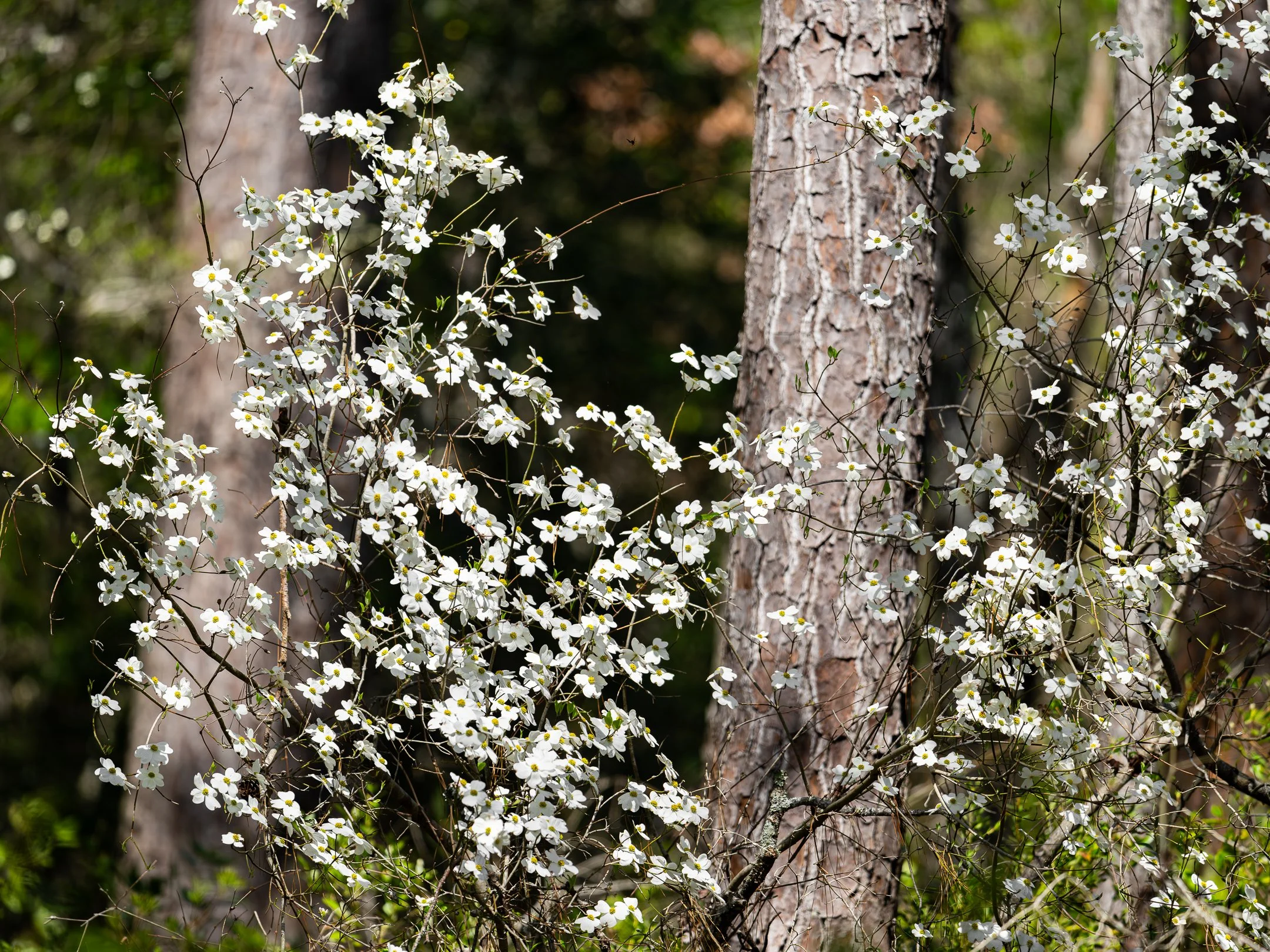
I began my adventure on the Neusiok Trail, a wild and scenic section of the Mountains-to-Sea trail that winds through longleaf pine and hardwood forests, sandy beaches, and swamplands. For over 21 miles on this specific trail, I soaked in the beauty that surrounded me and was often joined by pollinators, reptiles, amphibians and mammals. Although I didn’t uncover a bear encounter, there were signs of their presence in observing scat, sandy tracks, and trails created by bears just off the beaten path.
Because bears are prolific travelers, I’m passionate about observing their way of travels through the forest to gather information on how they may be using a specific habitat. What areas are they mostly using? What areas are they avoiding? Are there more signs of bears in one area of the habitat versus another? What key features of the habitat tie in with where I’m seeing the most signs of their presence? Being a bear nerd has its advantages when I’m looking for answers to my questions. Bears have taught me how to read the forest and I believe they are a key indicator species on researching wildlife movement in the face of habitat loss and fragmentation.
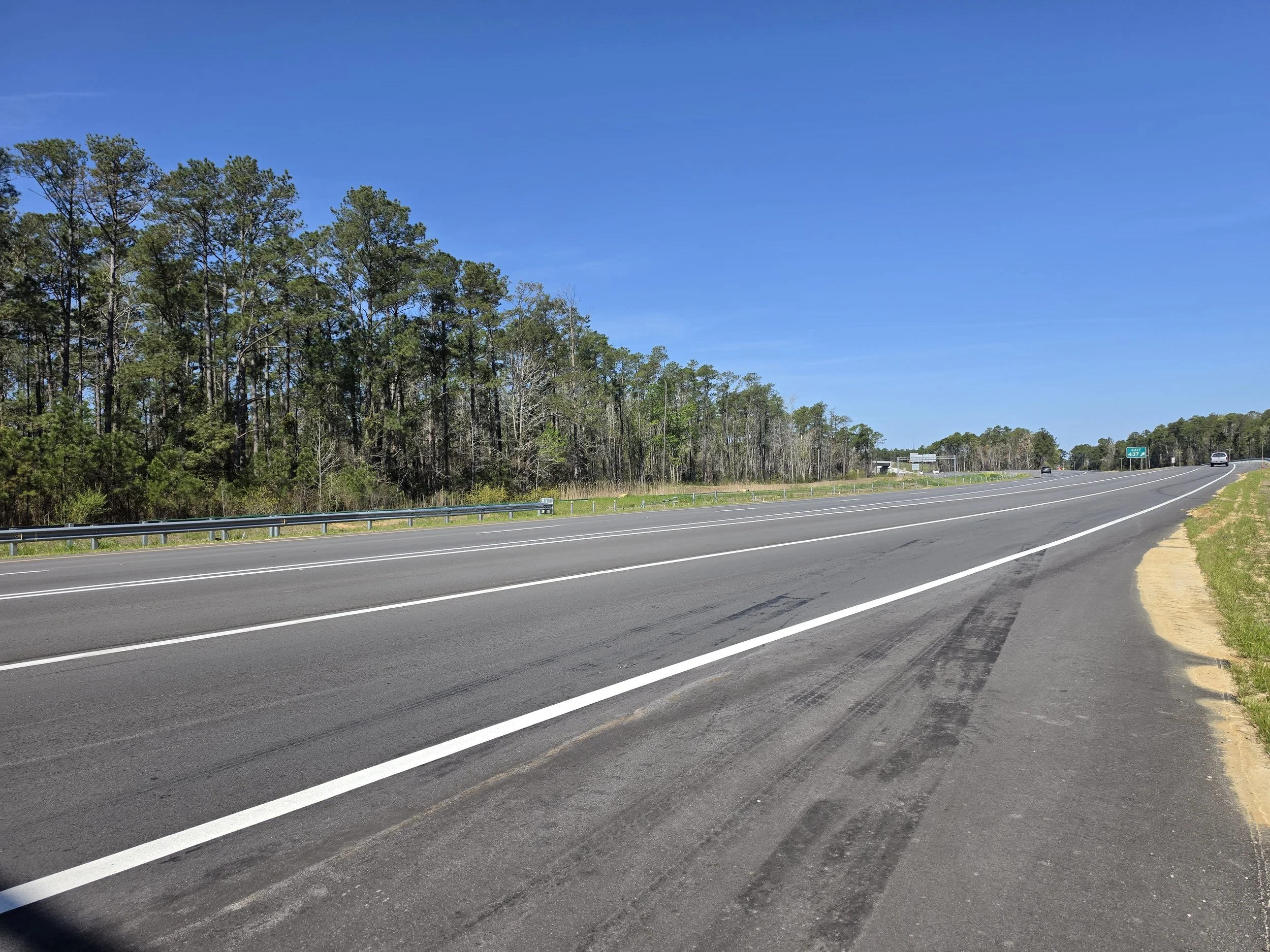
After I completed the Neusiok Trail, my hike led me into surrounding towns via roadways, onto US Hwy 70 and NC 58, and back into the forest on trails and gravel forest roads that bisected large swaths of longleaf pine savannas. Experiencing the contrast of hiking deep into the forest and on the side of heavily traveled highways and town roadways brought into focus the challenges wildlife face each and every day within their fragmented habitats. Deep in the forest, I felt the safety of being surrounded by the lush landscape but on foot near roadways, I felt exposed and vulnerable to the loud noise and consistent physical presence of cars, trucks, and 18-wheelers that passed me by.
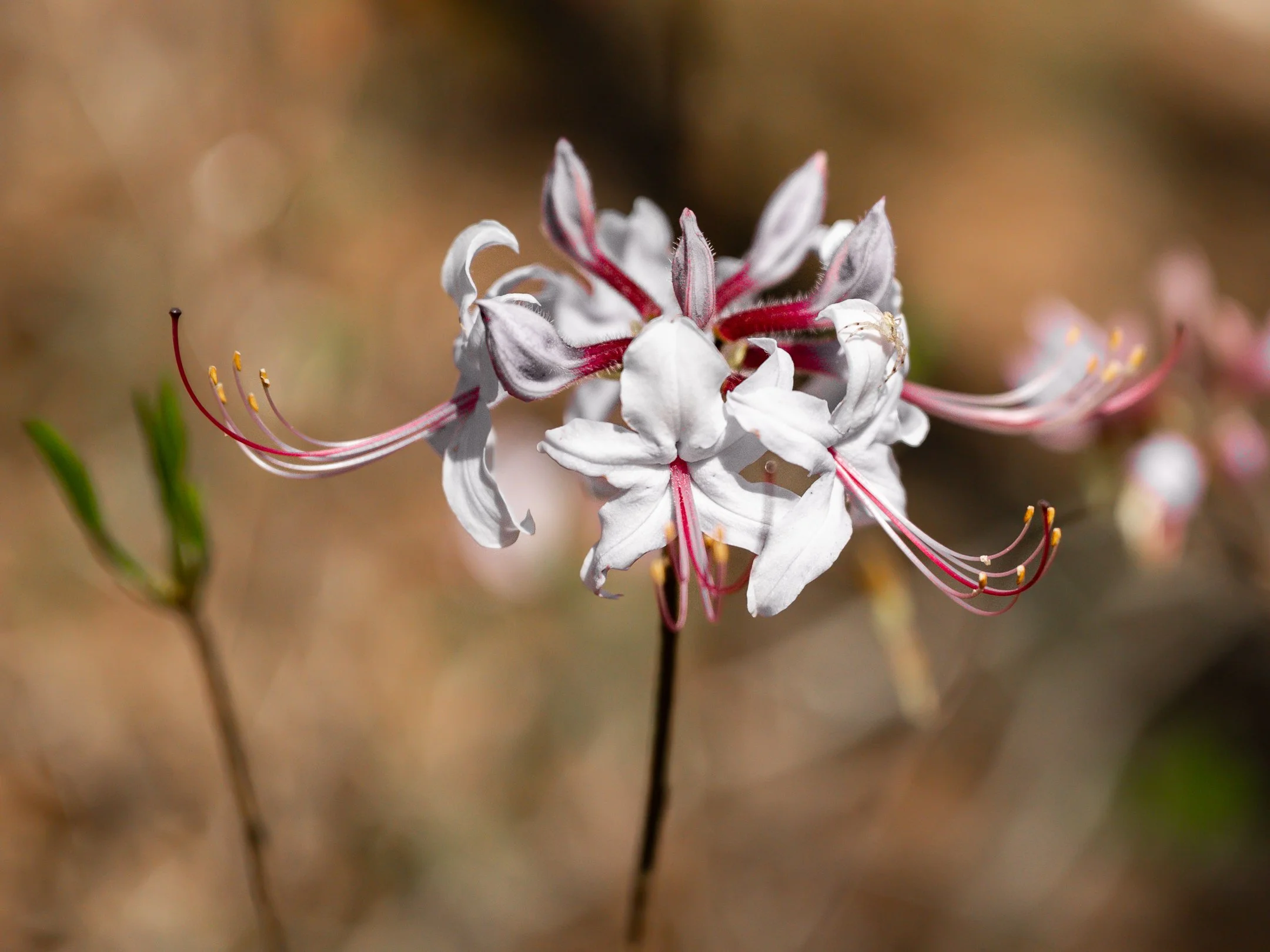
When I completed the 67.4 miles of Segment 16, I finished with a deeper sense of appreciation for the work being done to restore, preserve, protect, and connect the surrounding areas to the Croatan National Forest. This natural world supports some of our most sensitive species from the red-cockaded woodpecker to carnivorous plants like the Venus Flytrap, pitcher plants, butterworts, and sundews. Increasing habitat connectivity here will not only be critical in protecting future generations of plant and animal life but also in protecting the path of wildlife needing to safely travel through this corridor into new territories.
Story & images by: Cassia Rivera