Trek for Connectivity: Segment 17 ~ Down East
As I neared the beginning of Segment 17 with a two-and-a-half-hour ferry ride from Hatteras Island to Cedar Island, I reflected on all I observed along the journey up to this point. Coastal erosion was heavy on my heart as I experienced hiking among the decaying homes by the ocean’s edge where there were once family memories being made in the surf and sand. I reminisced on my time photographing large sandbags strategically placed to hold up the dunes that kept the ocean from sweeping away a two-laned lifeline for the traveling public and remembered my time filming the sand pouring through the worn fabric meant to keep the sandbanks from collapse, highlighting the ever present human effort to tame Mother Nature.
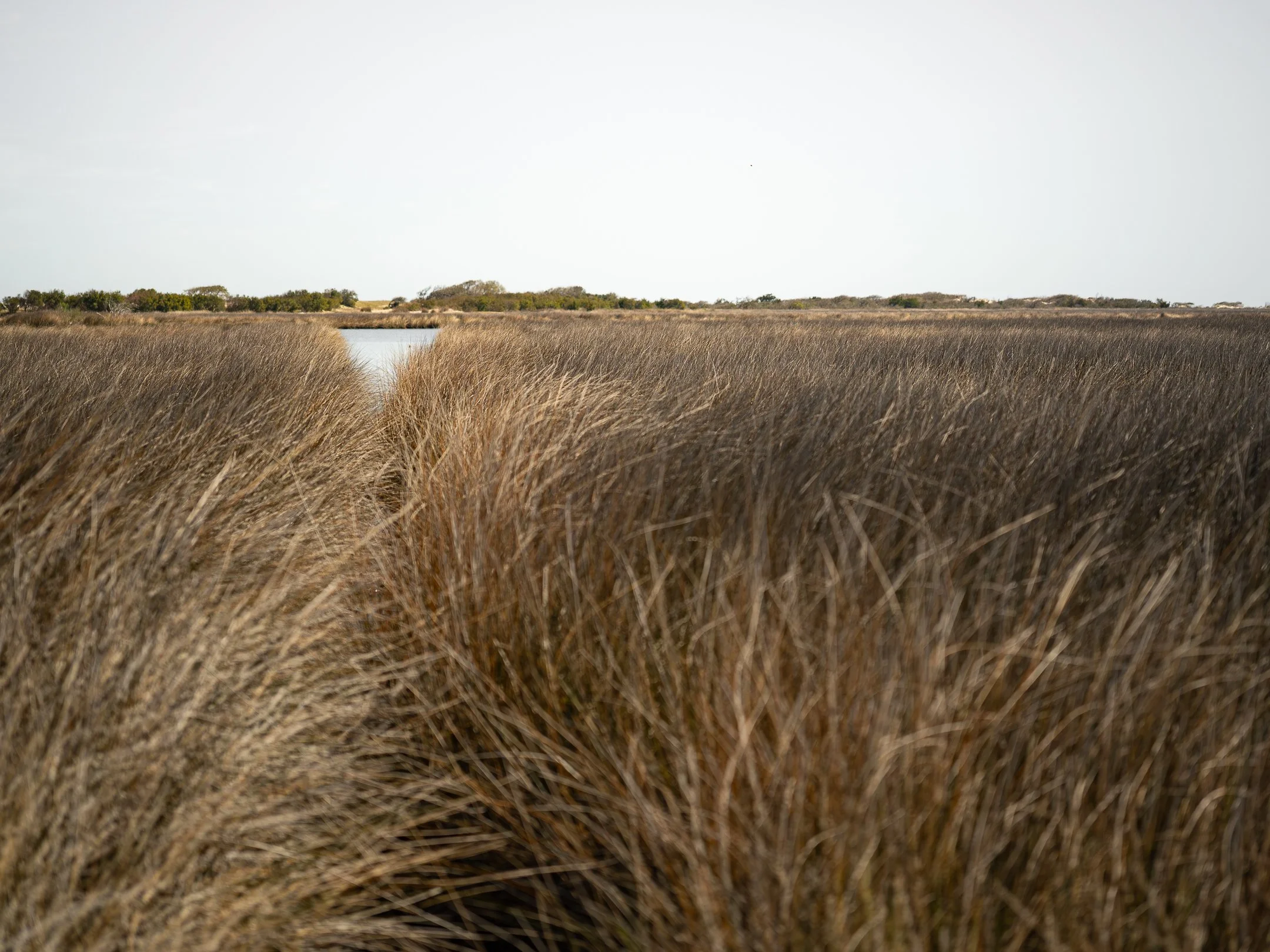
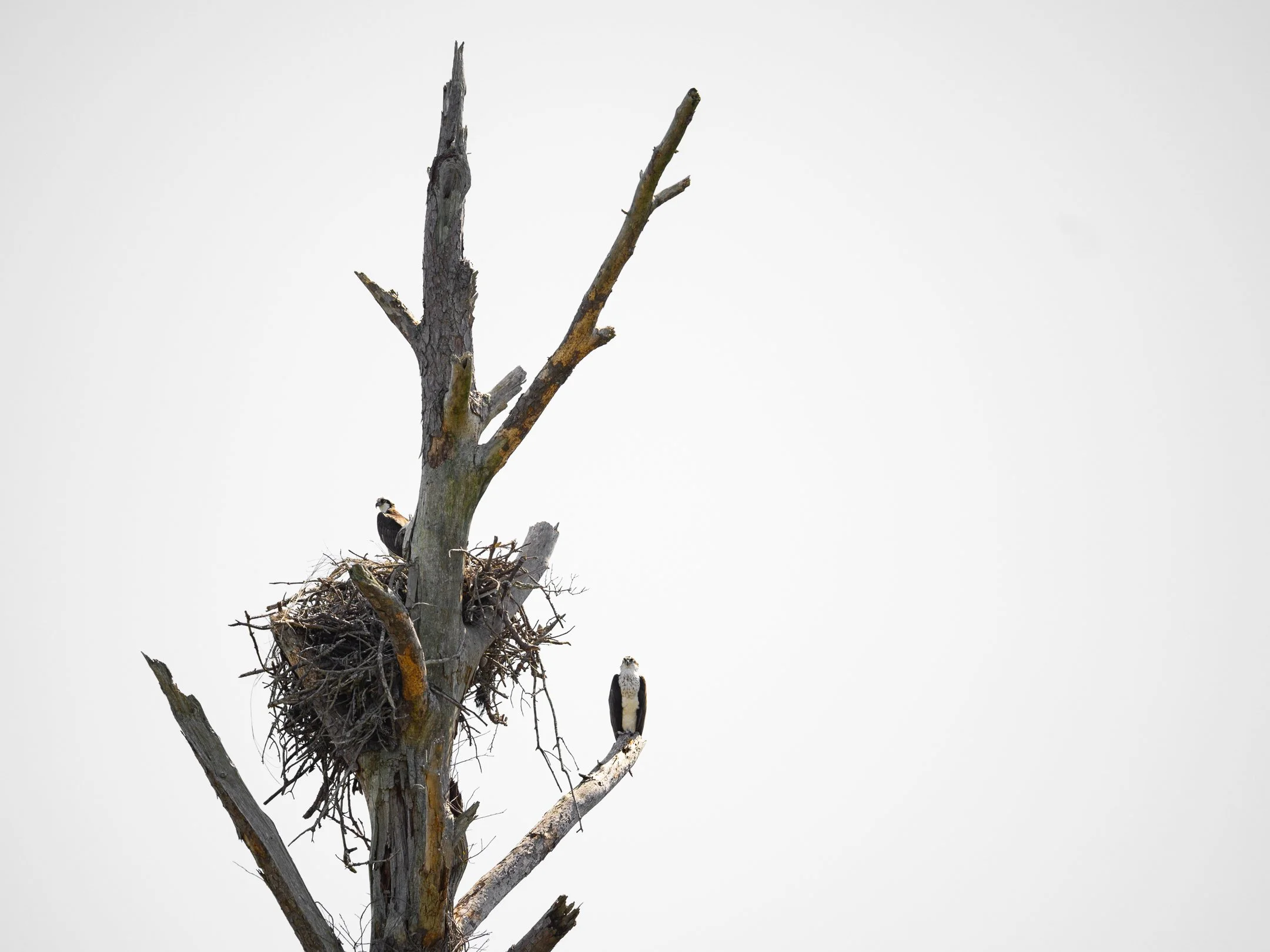
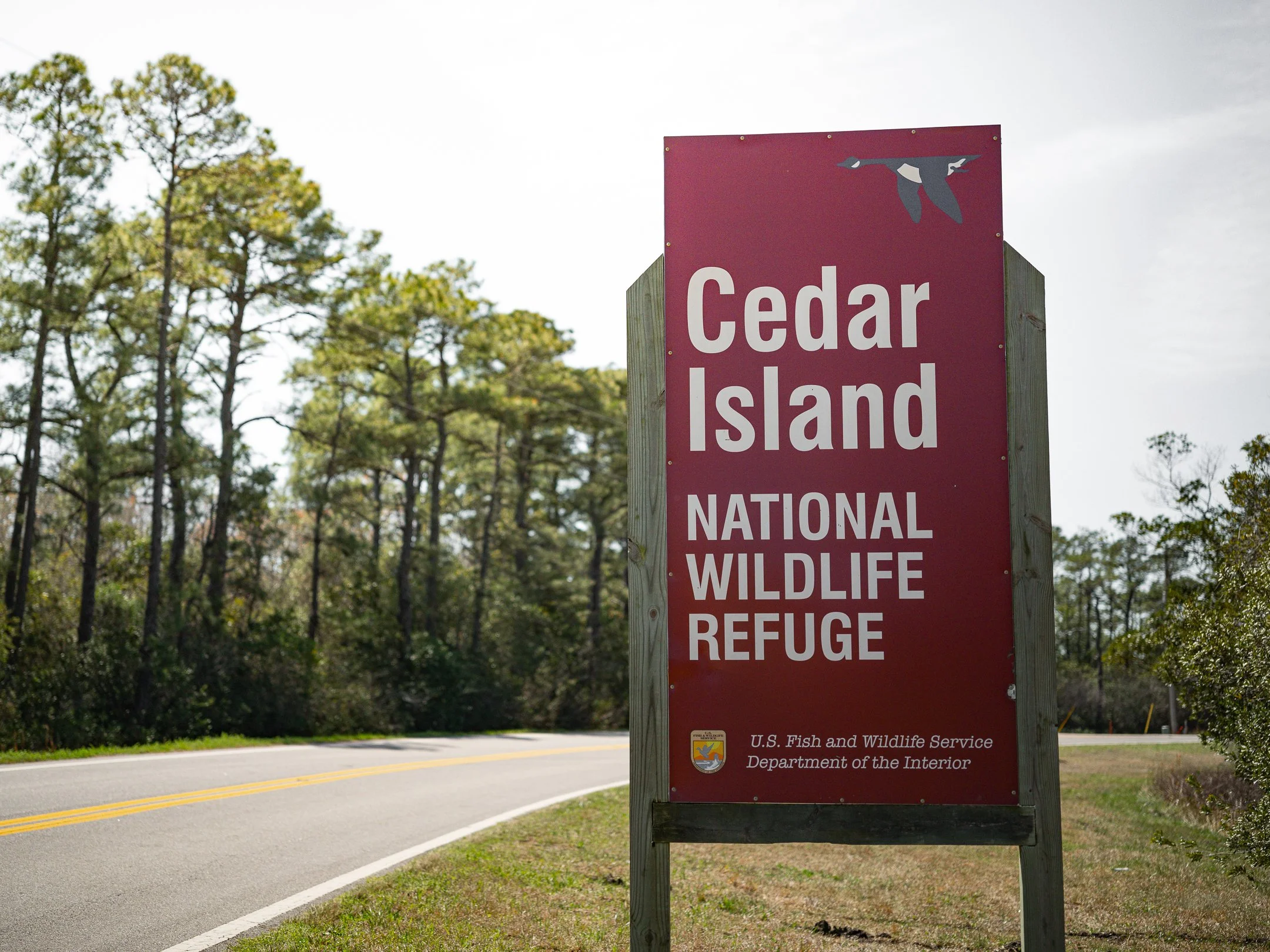
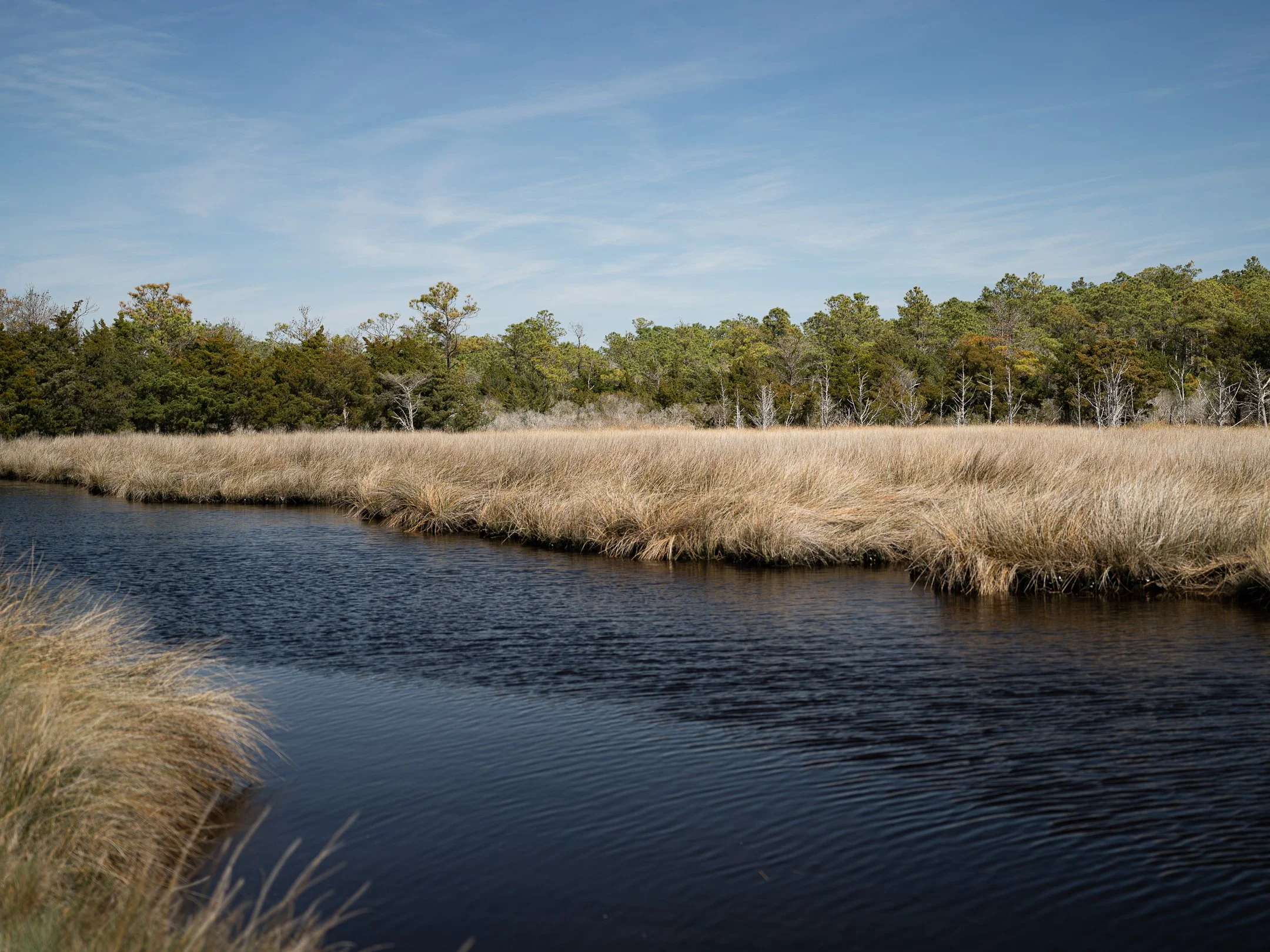
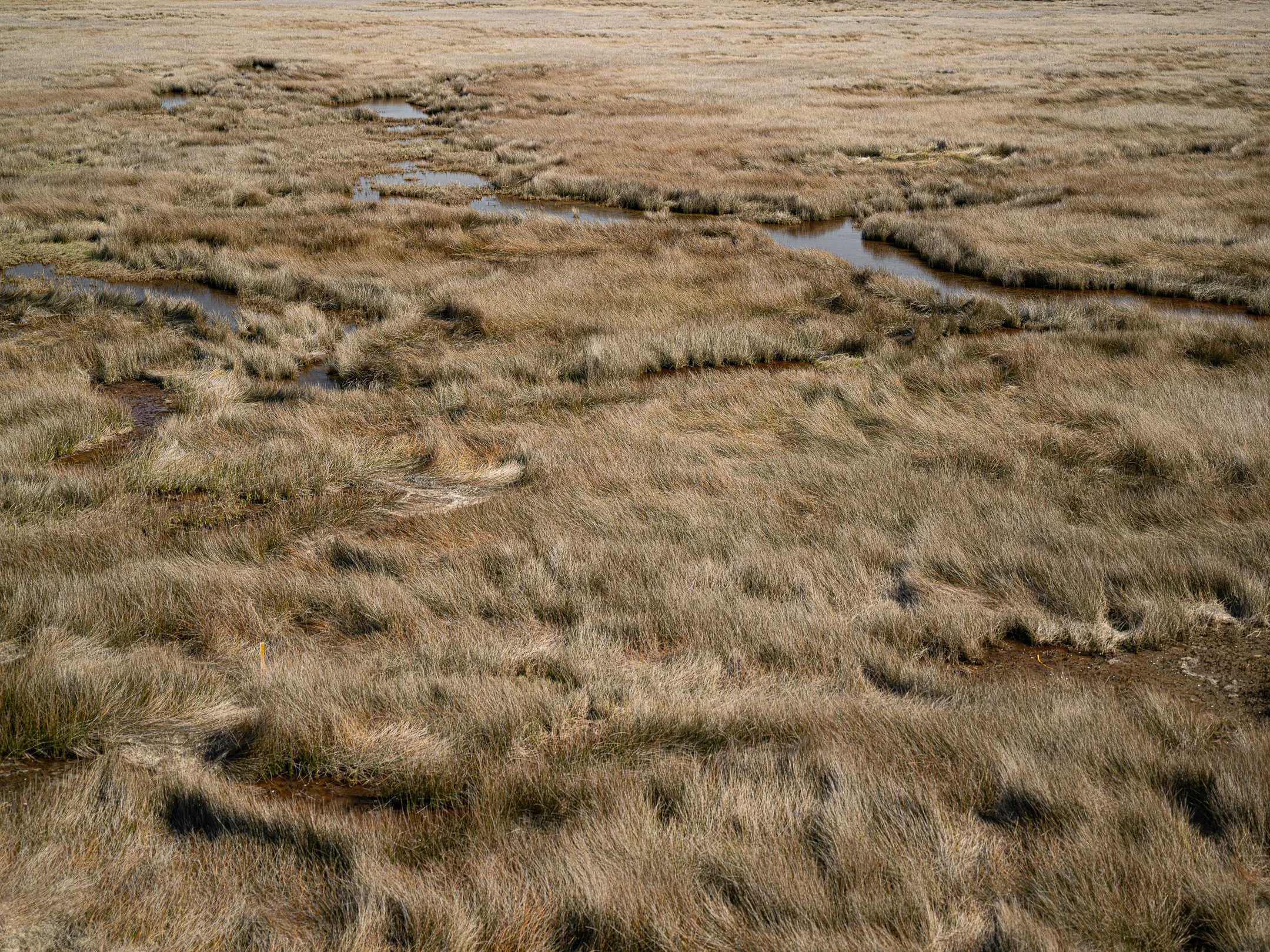
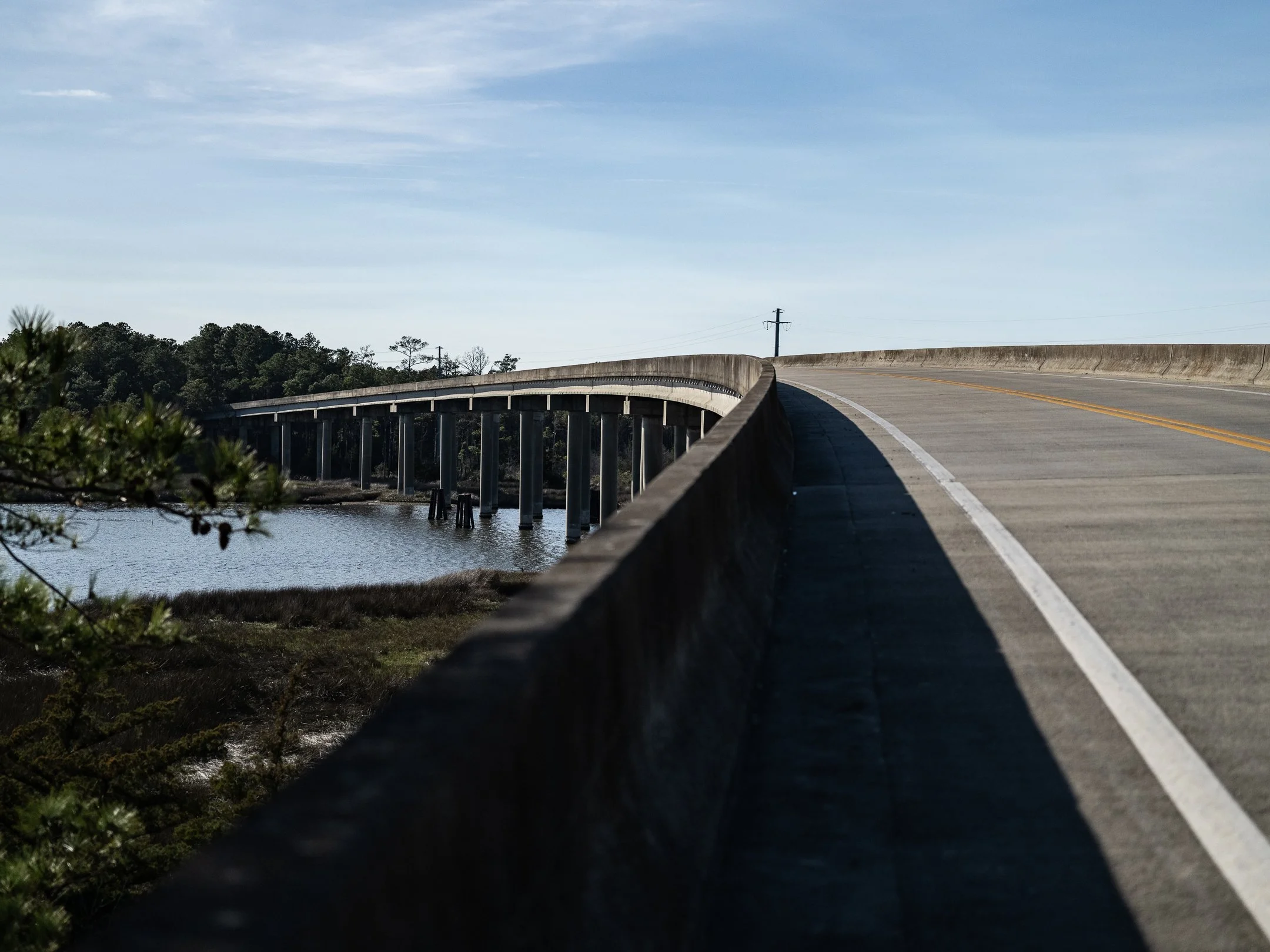
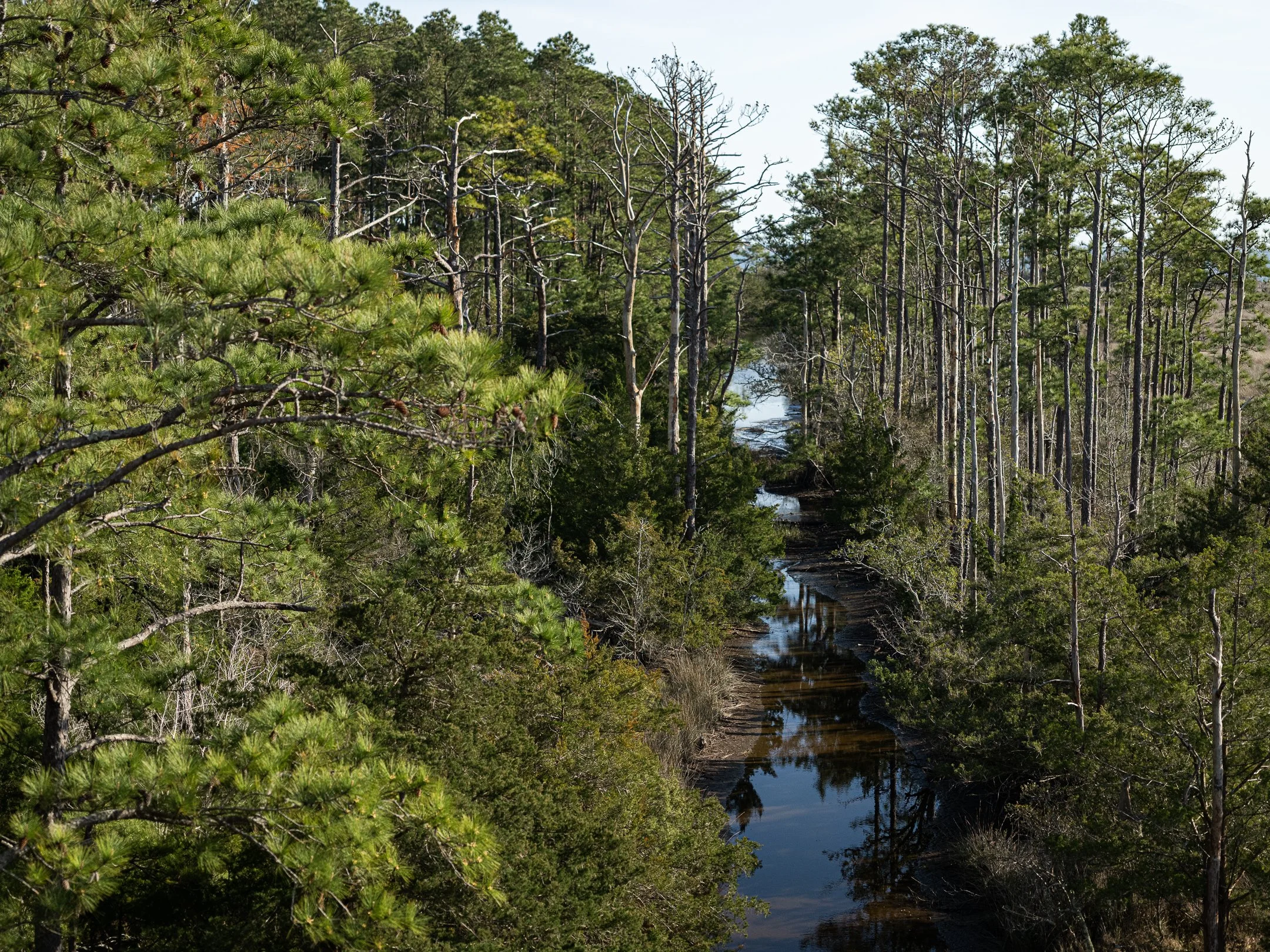
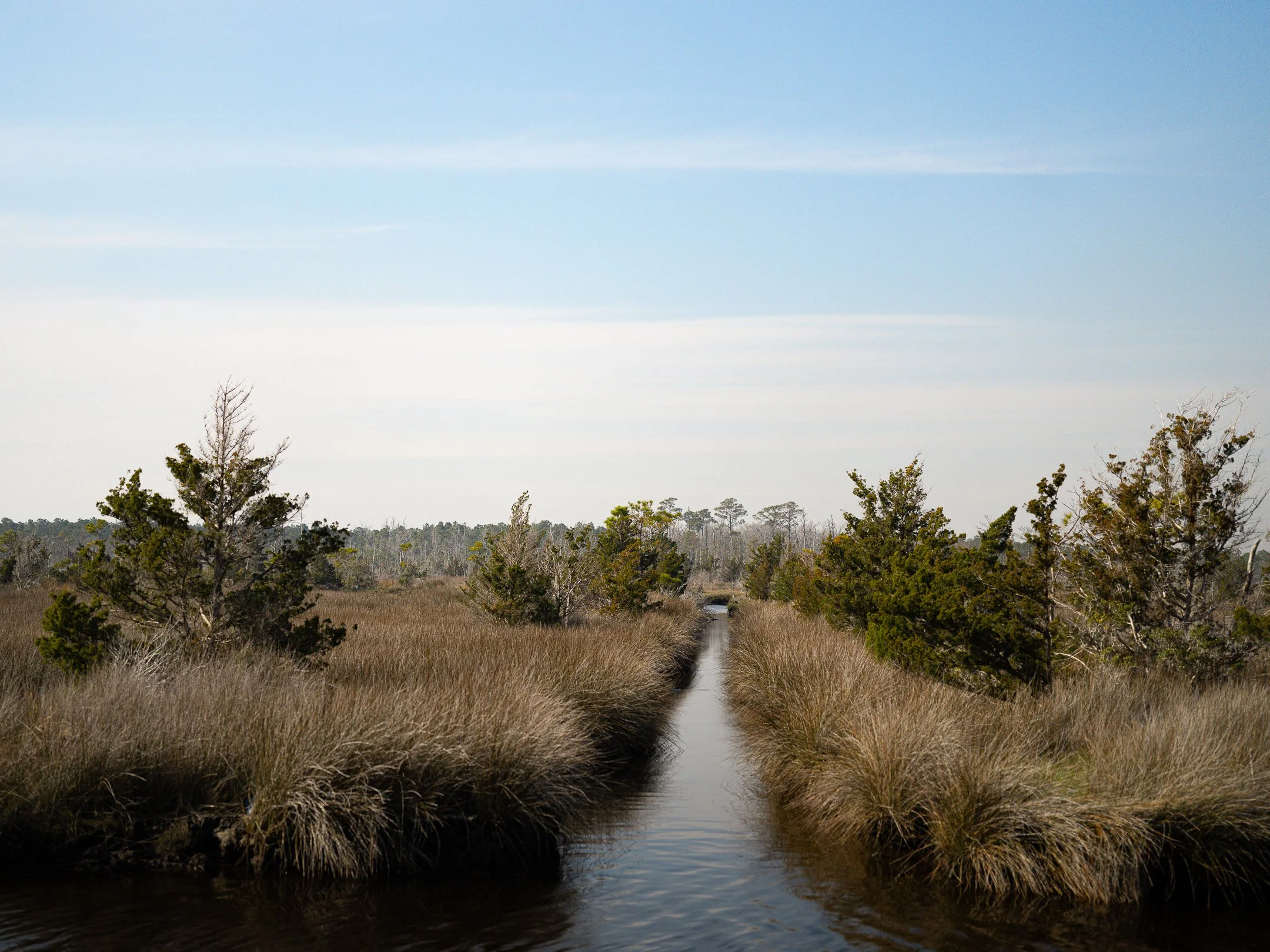
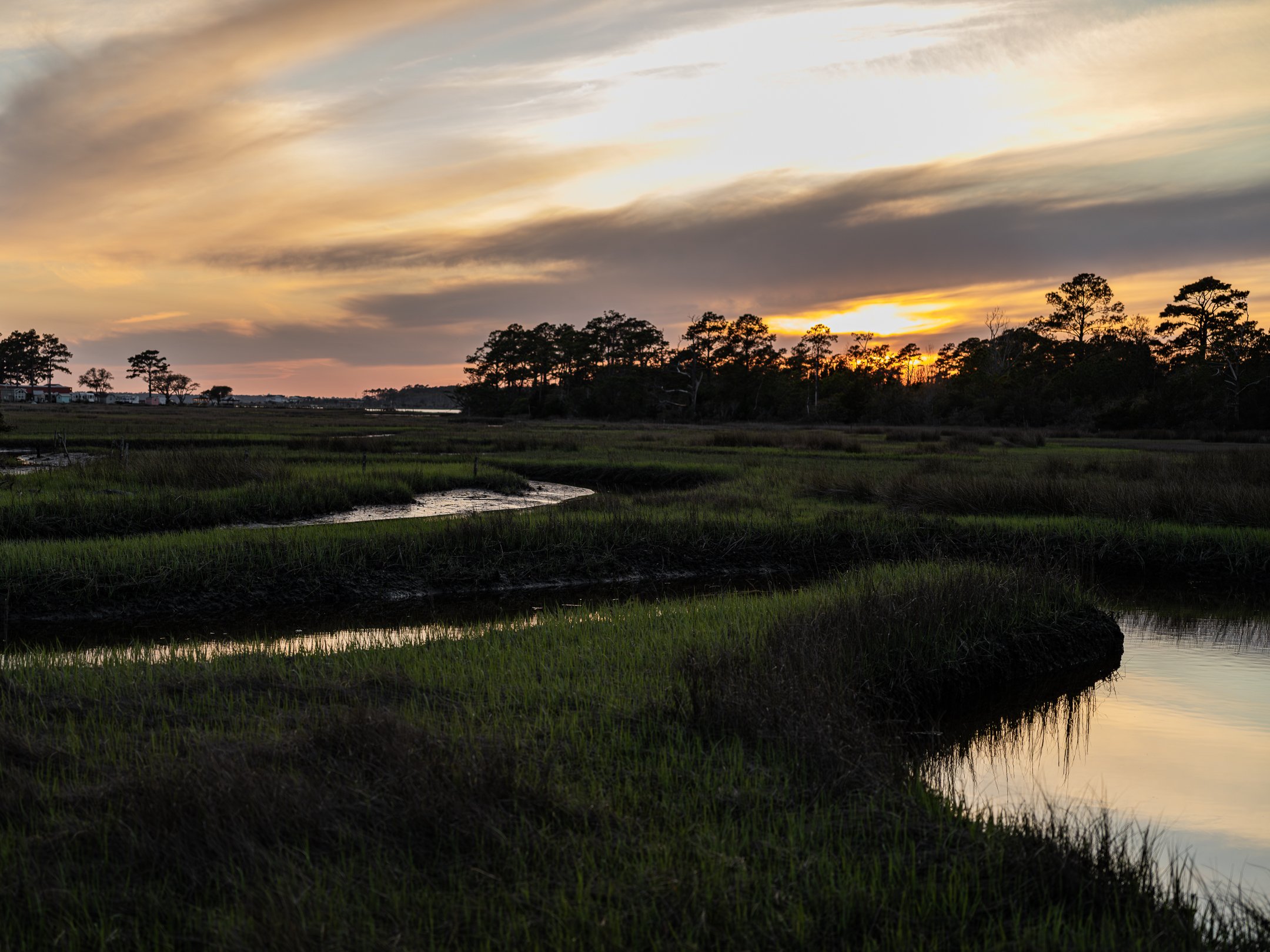
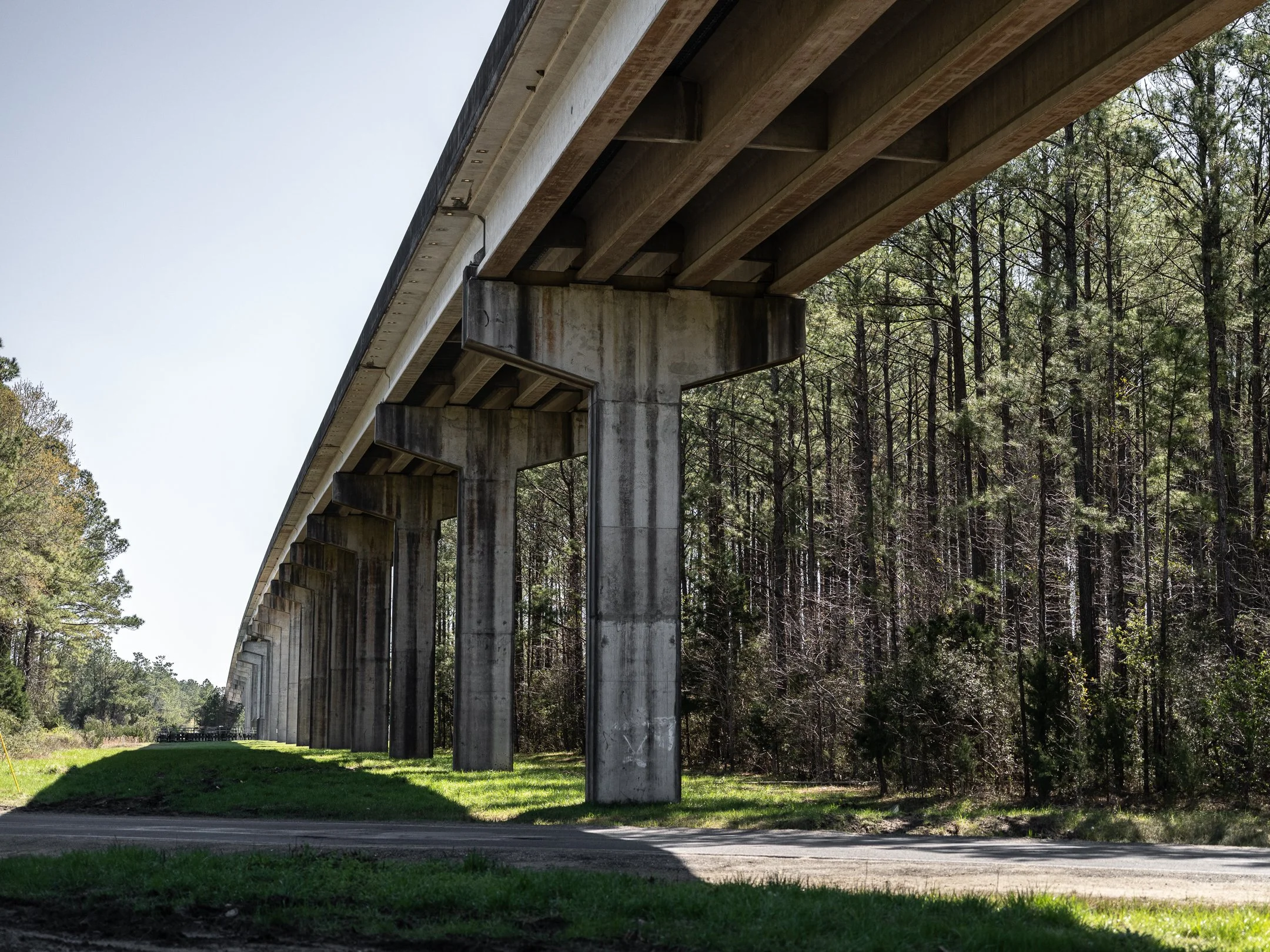
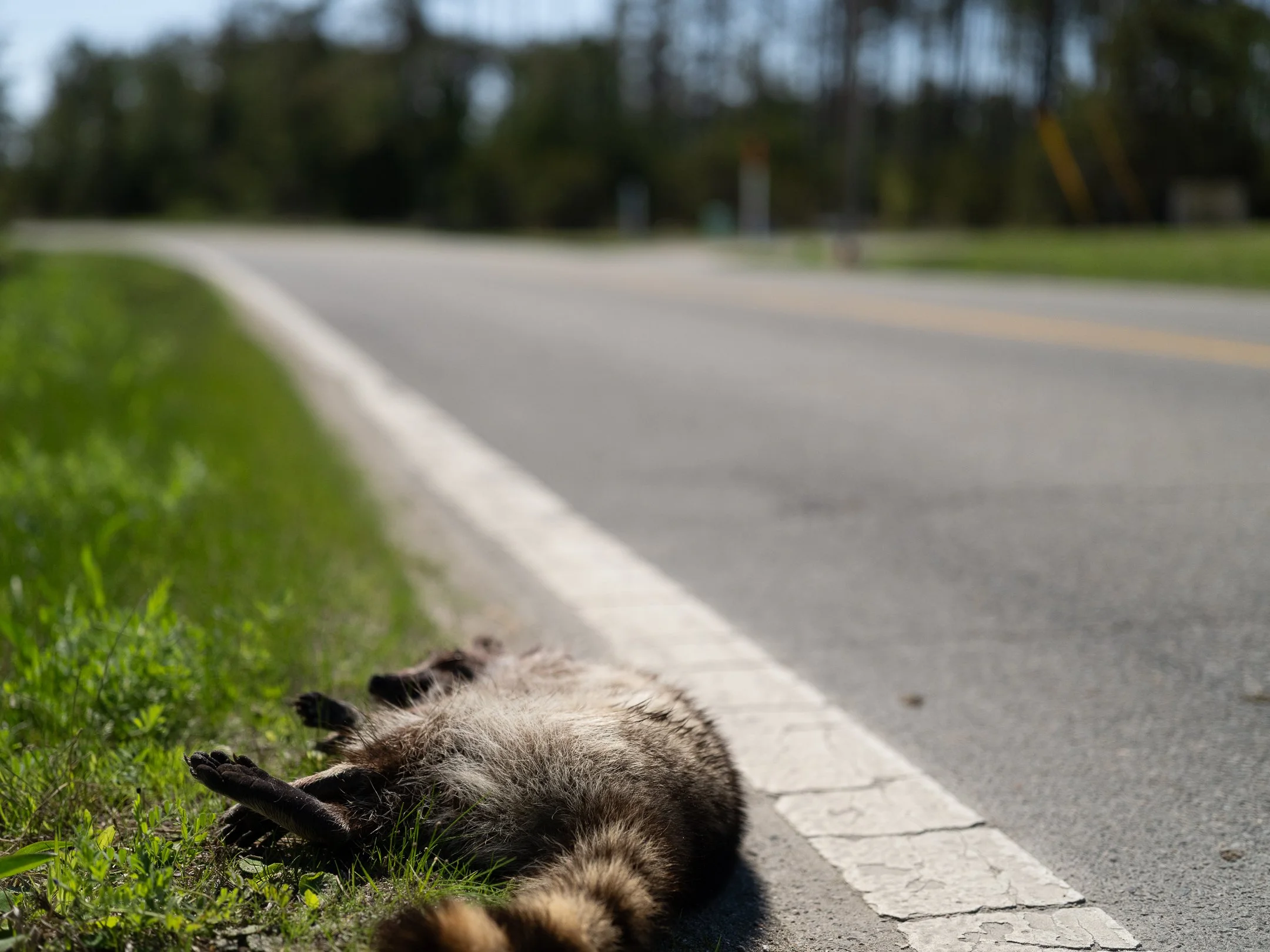
I finally arrived at the Cedar Island Ferry Terminal and hopped off with my hiking pack to hike the next 47.8 miles on the edge of the roadways, which bisected some of North Carolina’s most beautiful salt marsh, woodland, and pocosin habitats. The first several miles took me through the Cedar Island National Wildlife Refuge, an ecosystem known for being home to a diverse range of migratory birds, colonial waterfowl, semiaquatic wildlife, smaller mammals, reptile, and amphibian species. Swaths of black needlerush, saltgrass, and saltmeadow cordgrass brought into focus the stunning landscape textures that shimmered under the radiant sun. While the natural world here seemed to go on as far as the eye could see, the impacts of fragmentation to this area were present in my mind as I hiked along the asphalt that fragmented this beautiful terrain.
As the miles continued, opportunities to speak with locals along the way became more frequent as I traversed into the culture and communities that surrounded this beautiful ecosystem. Concerns surrounding a changing coastline were an emerging theme in most of the conversations I had. Shoreline erosion, rising sea levels, habitat loss, storm impacts, and the fragility of the community’s infrastructure seemed to be heavy on the hearts of the many I spoke to. Generations have enjoyed the beauty and simplicity of life lived along a wild coastline yet generations to come are not promised this same opportunity due to an increase in vulnerability of the landscape in this area.
As I wrapped up hiking this segment, my time spent with the community of wildlife and people alike were etched into my heart. Observing the coastal beauty, having conversations within the community, and documenting the impacts of fragmentation in this area will be an experience I hold close for many years to come. The ecosystem here is critical to the future of wildlife. It is also home to the hearts of many, who like me, understand the incredible value of a close-knit community tied into its natural surroundings that create a life of purpose, community, and connectedness. Nature and community are worthy of preservation and deserving of safeguarding, especially when the two are intertwined in a way that creates an opportunity for life to thrive. As I begin Segment 16, I’m grateful for the many lessons I learned along this roadside journey “Down East”.
Story and images by: Cassia Rivera