Trek for Connectivity: Segment 18 ~ The Outer Banks
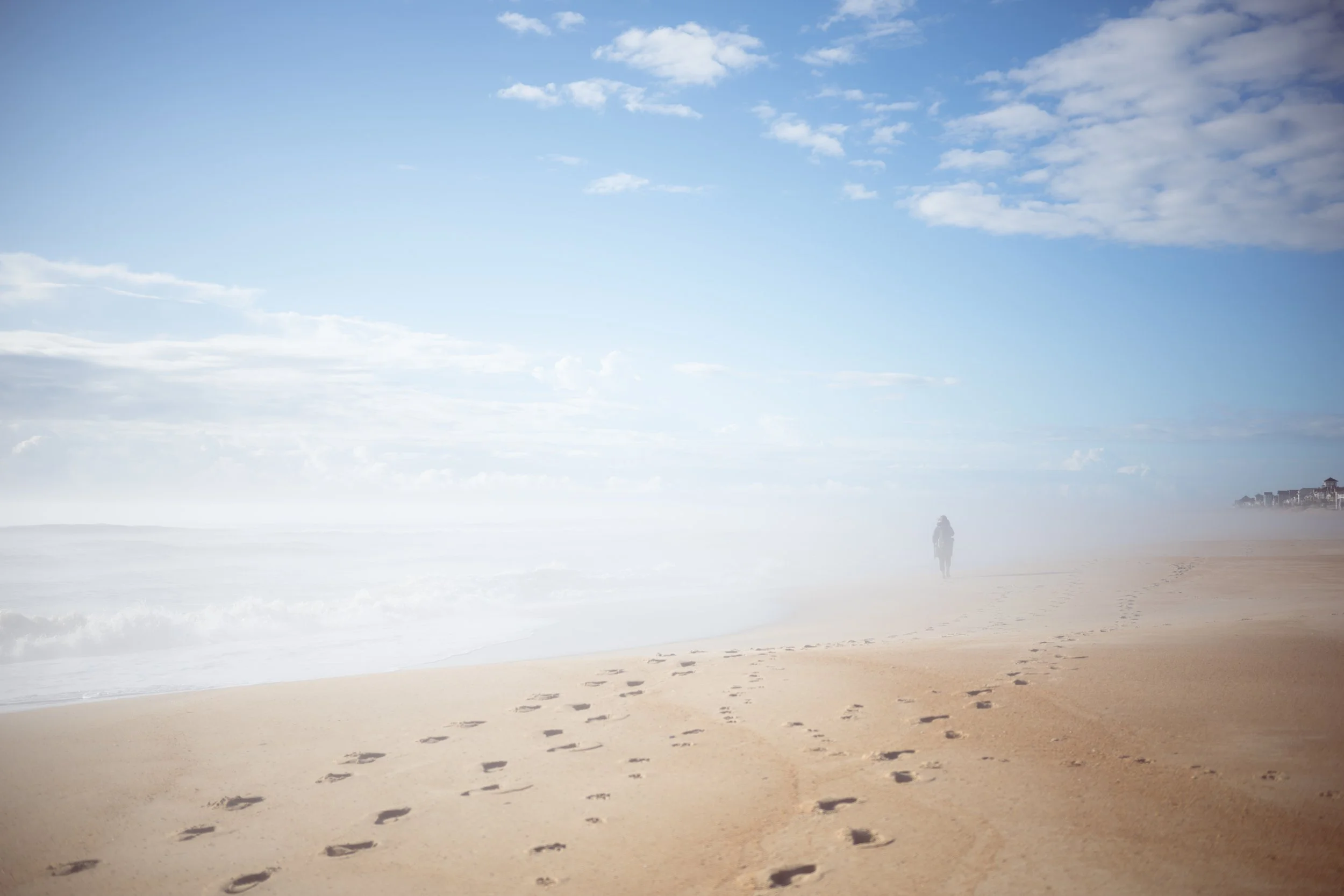
Photo by Andrew McCabe
I recently decided to hike across the state of North Carolina via the Mountains-to-Sea trail to raise awareness for the need to increase habitat connectivity here in my state. This is an adventure I have taken on in hopes that one day, North Carolina will be home to a web-like, wildlife corridor that allows increased wildlife movement through a connected network of green spaces. As a mother to future teen drivers and someone who has seen firsthand the impacts of wildlife-vehicle collisions, I want safer roads for motorists, too. Wildlife and roadways are simply incompatible, oftentimes creating a deadly mix. It’s because of this that the work ahead to increase habitat connectivity is critical to our natural world and North Carolinians alike.
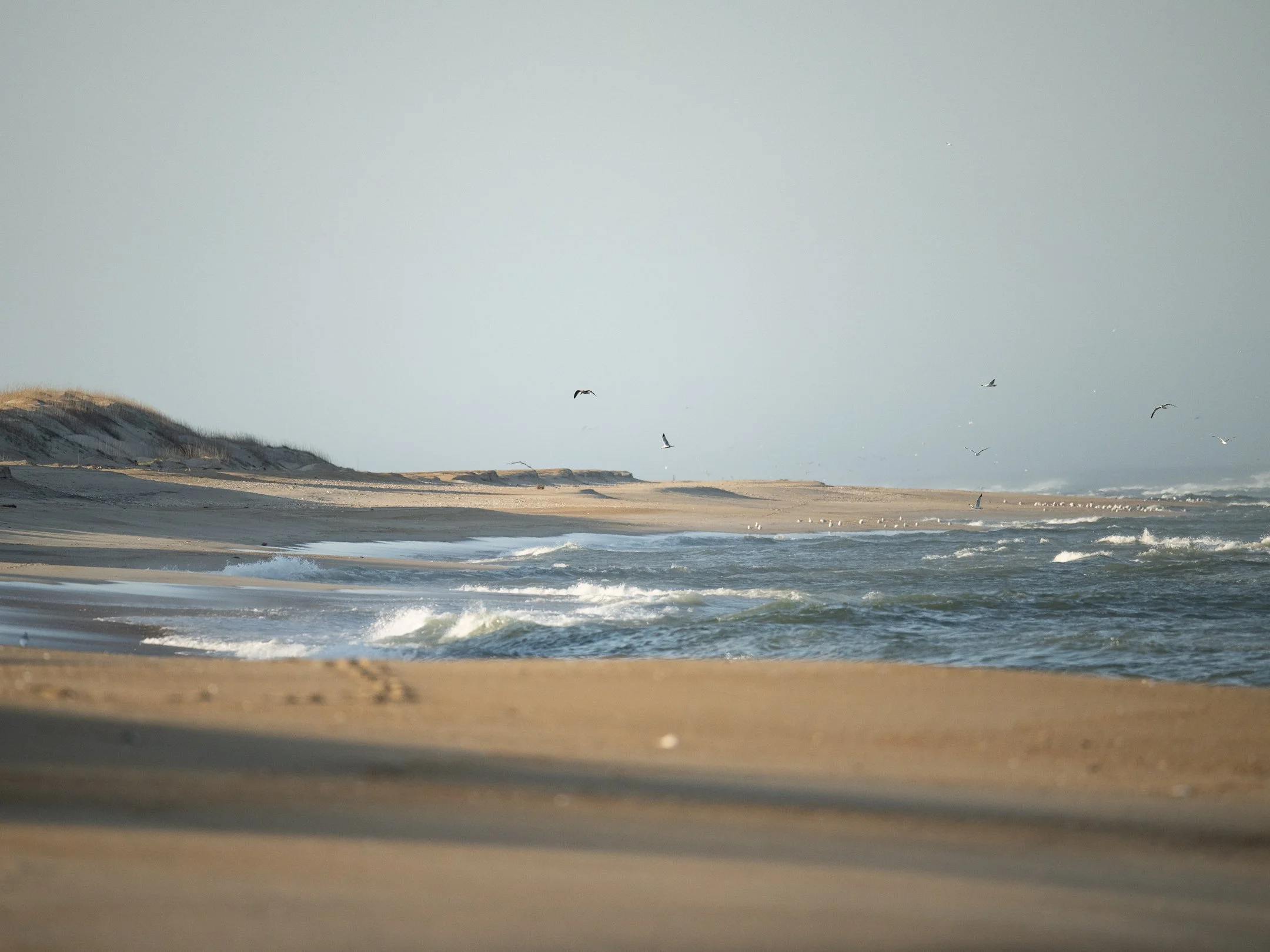
I began my adventure on the trail from Jockey’s Ridge State Park, the tallest living dune system on the Atlantic Coast. I chose to hike starting from the Eastern Terminus because of my expedition beginning in March. Simply put, you just don’t want to battle the Pterodactyl-sized mosquitos of the Croatan National Forest in the summer. As I soaked in the 360 degree view of the Roanoke Sound and the Atlantic Ocean for my first few moments on the trail, my nerves finally began to melt away as each sandy step moved me closer to the coastline. As I made my way onto the beach and began my trek down the southern string of barrier islands, my first dose of environmental reality came in the form of discovering dozens upon dozens of bunker fish littered across the beach. After speaking with a few locals on my hike, it was thought that a cold stun event happened due to a sudden drop in ocean temperature. This would not be my first eye-witness account to the harsh realities of nature on this journey.
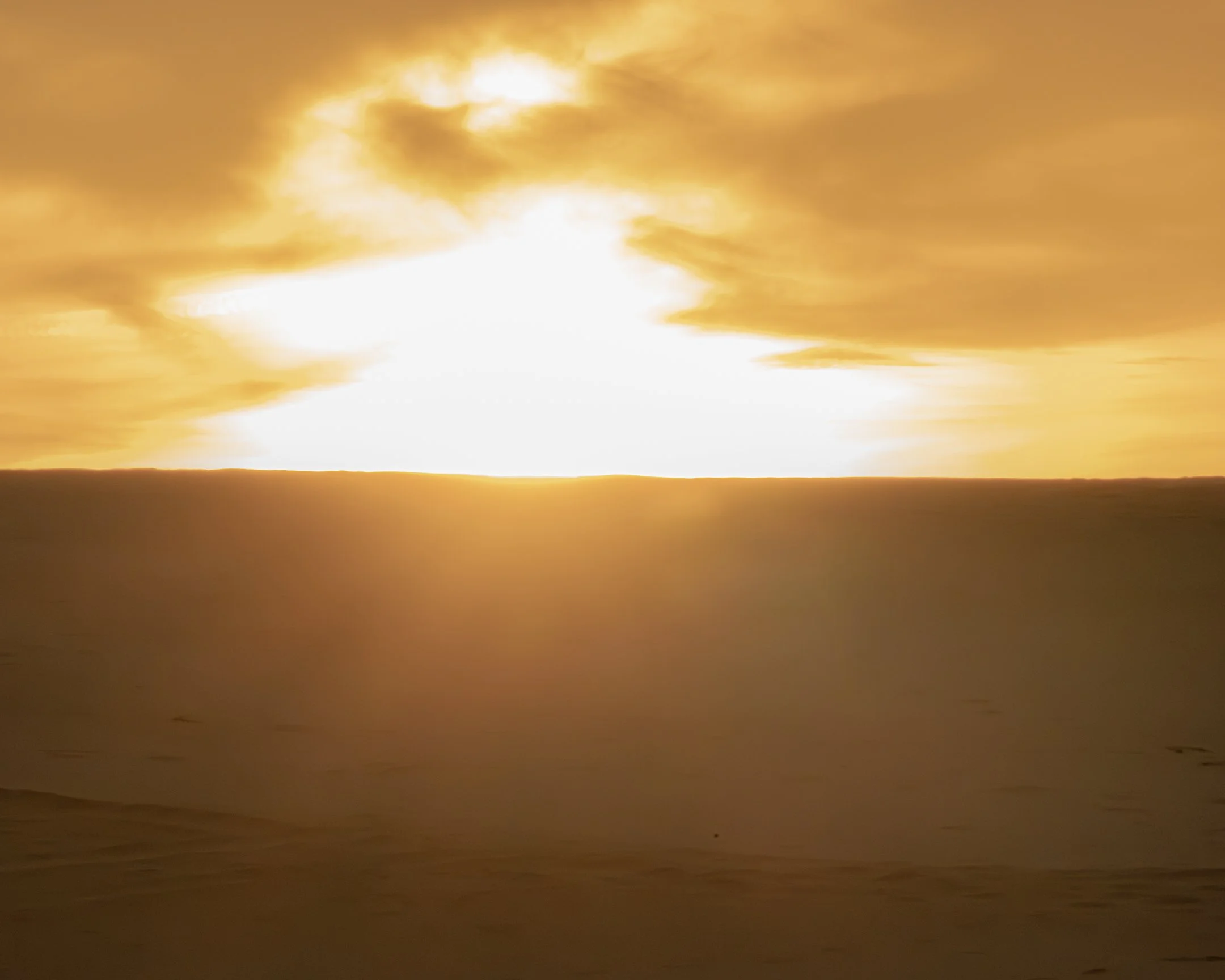
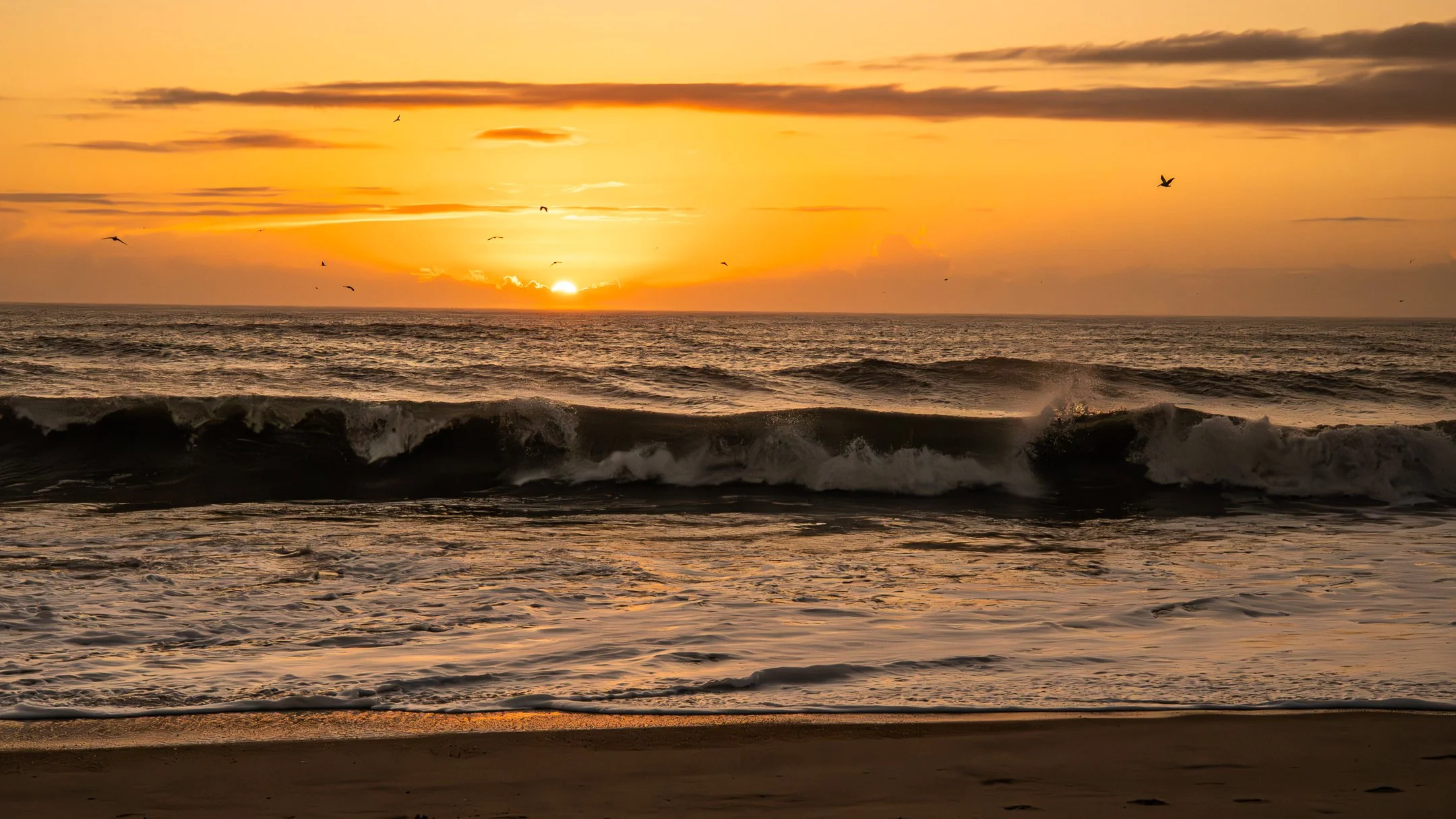
The days began before the sun came up. Cleaning my camera equipment, packing food, filling up water, getting dressed, and gearing up to go all happened in the dark before sunrise. Because I gave myself the early wake up call, I was able to take in those stunning morning moments as the sun rose above the ocean’s horizon, casting golden hues across the landscape. To reach my goal, I had to cover 15-20 miles of sand per day in order to complete Segment 18 in the pre-planned time before this expedition began. Beginning my hikes during sunrise was an awe-inspiring way to start the day and as truth would have it, it was the less painful part. As the sun continued to rise, the air warmed, the waves lashed, the sun began to beat down, and the wind reached gusts of over 30mph, hurling sand onto my exposed skin for hours on end. Even still, I was inspired to keep going with thoughts of the need to protect the path of the wildlife that I love.
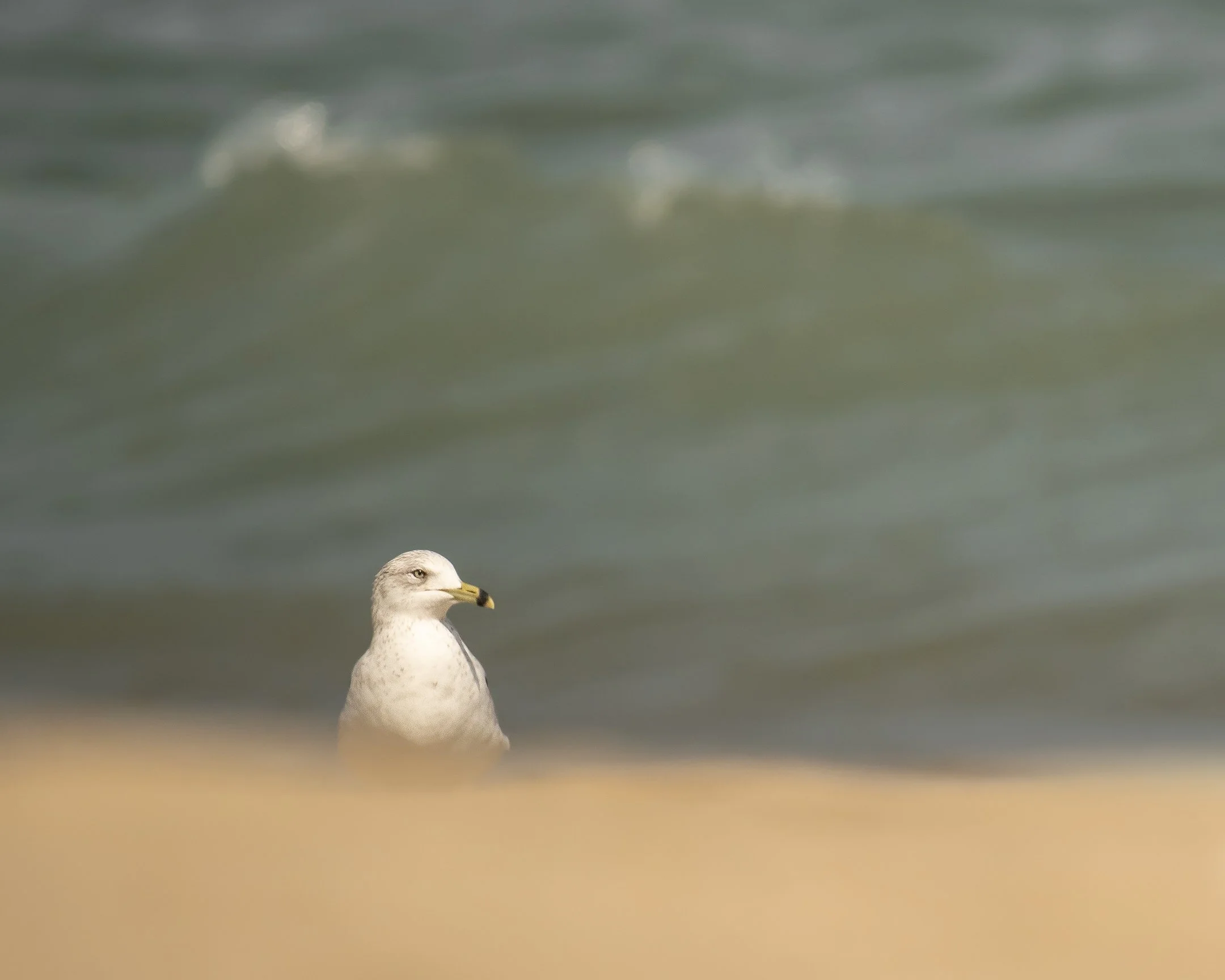
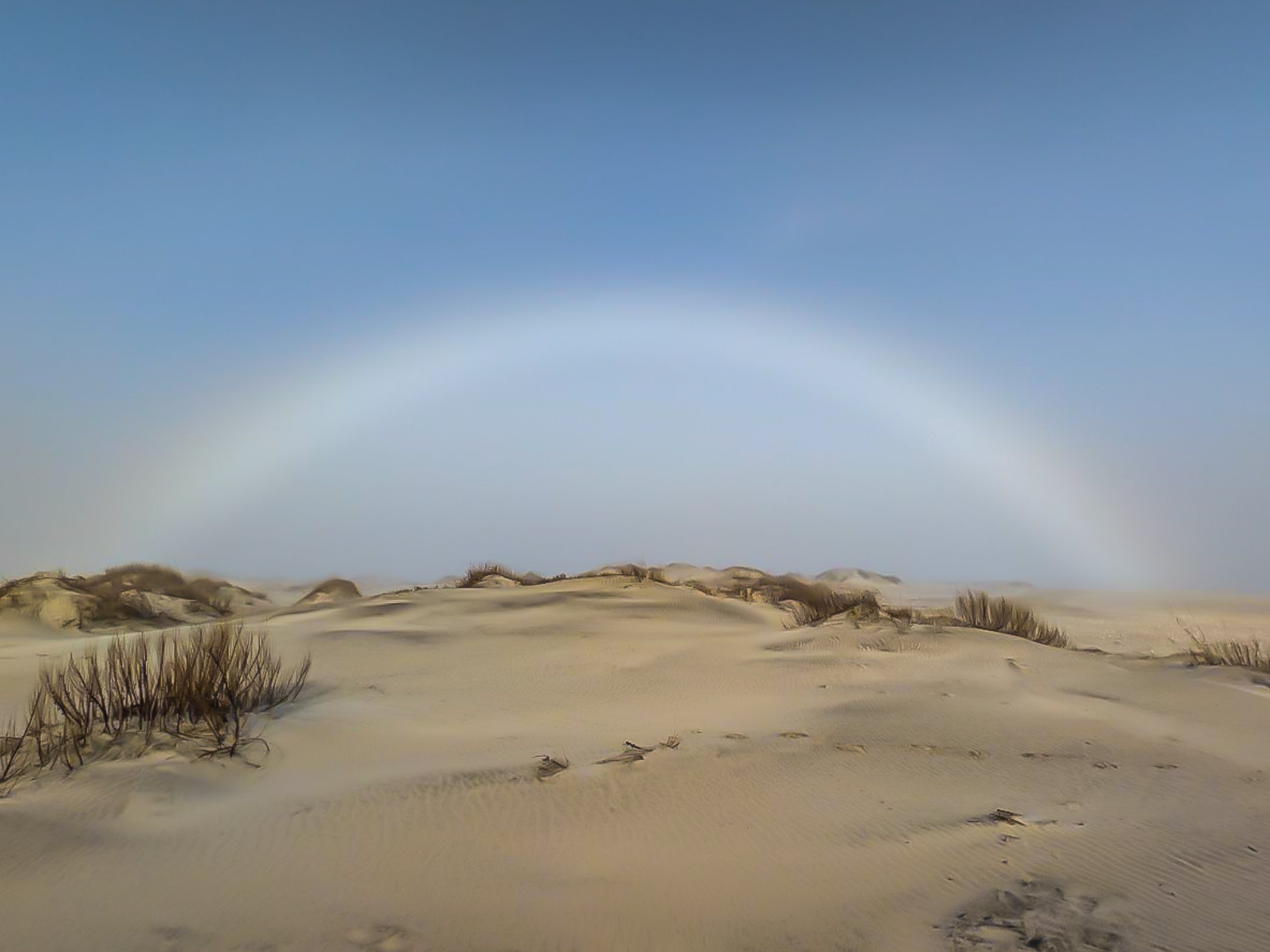
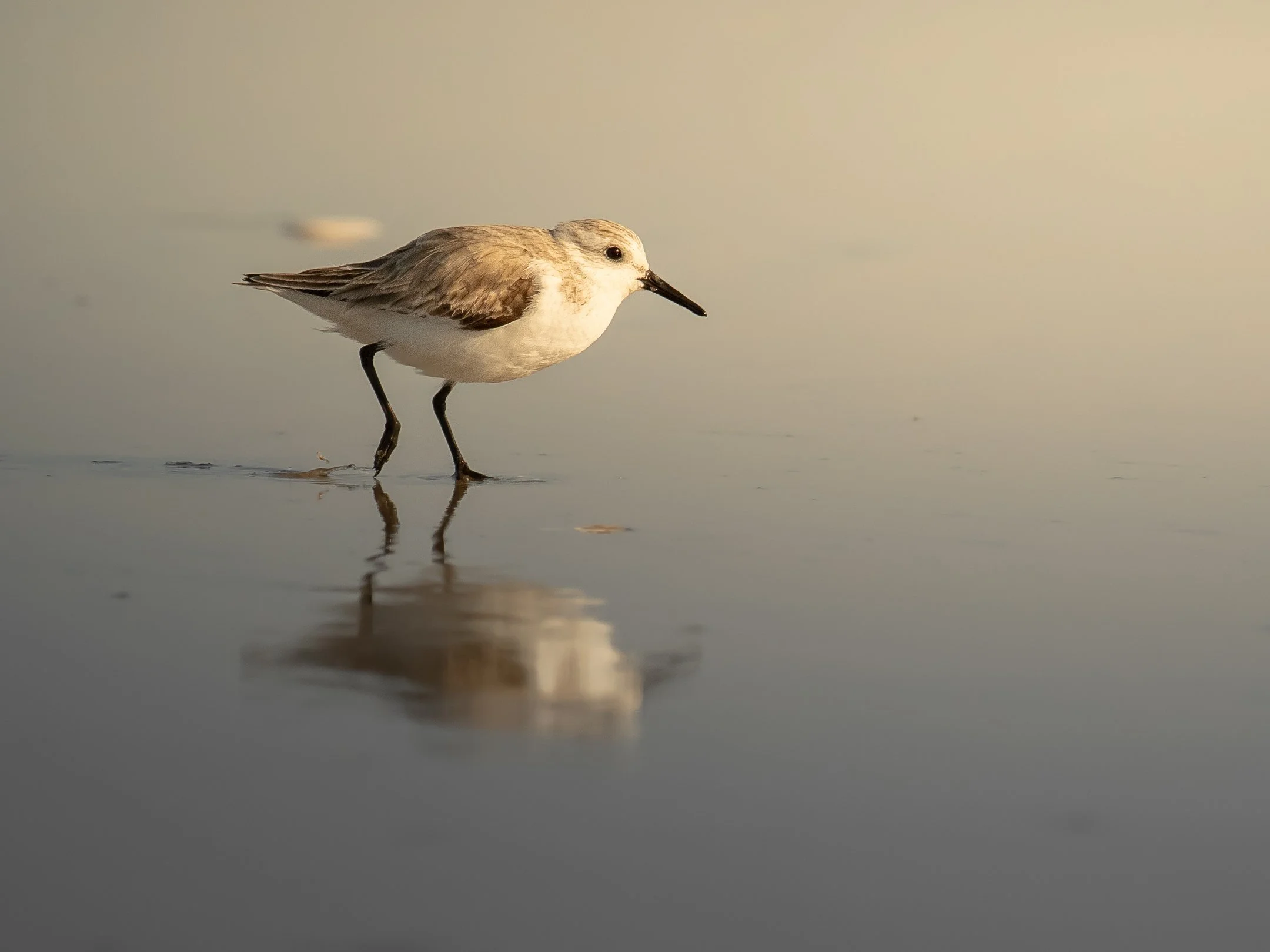
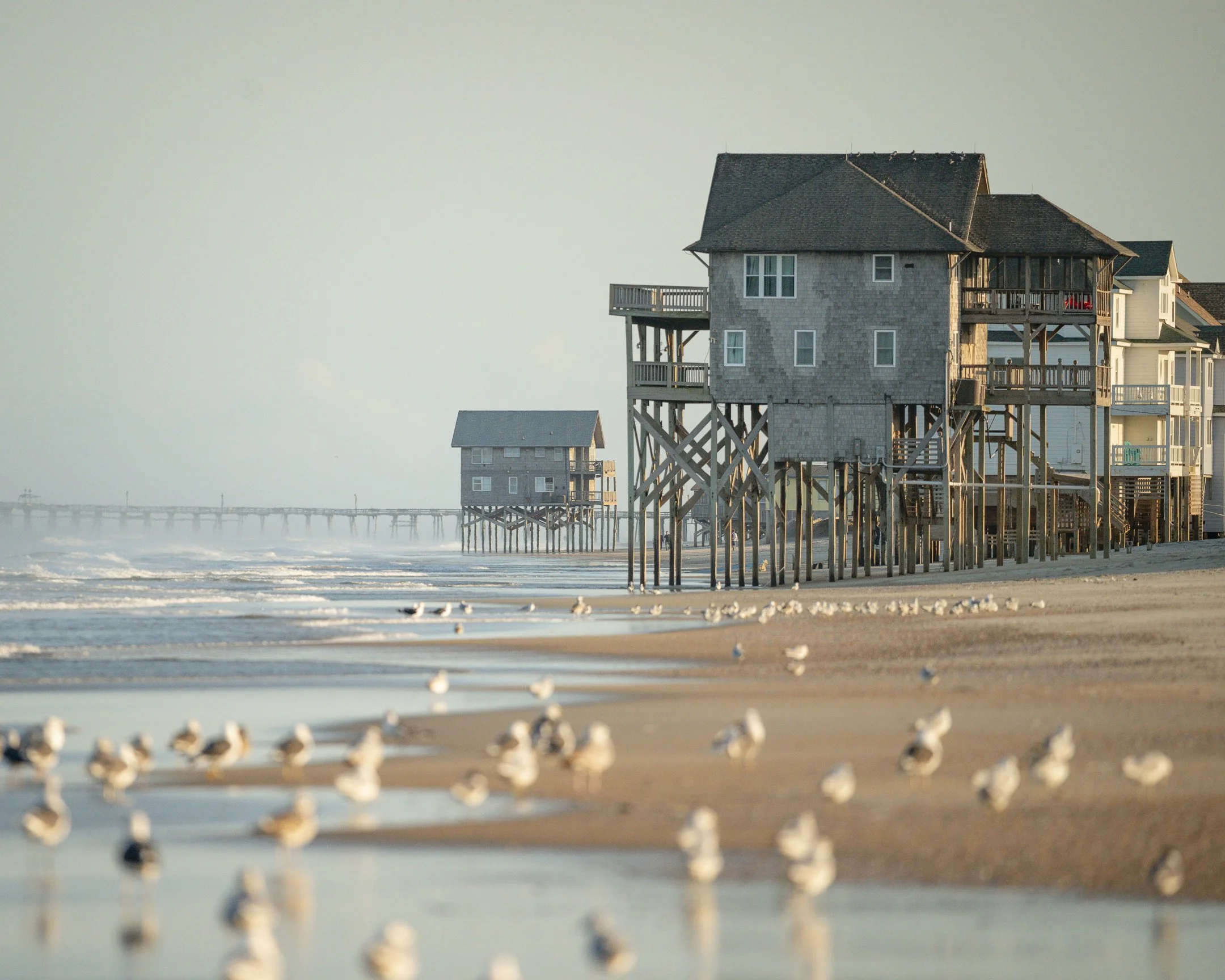
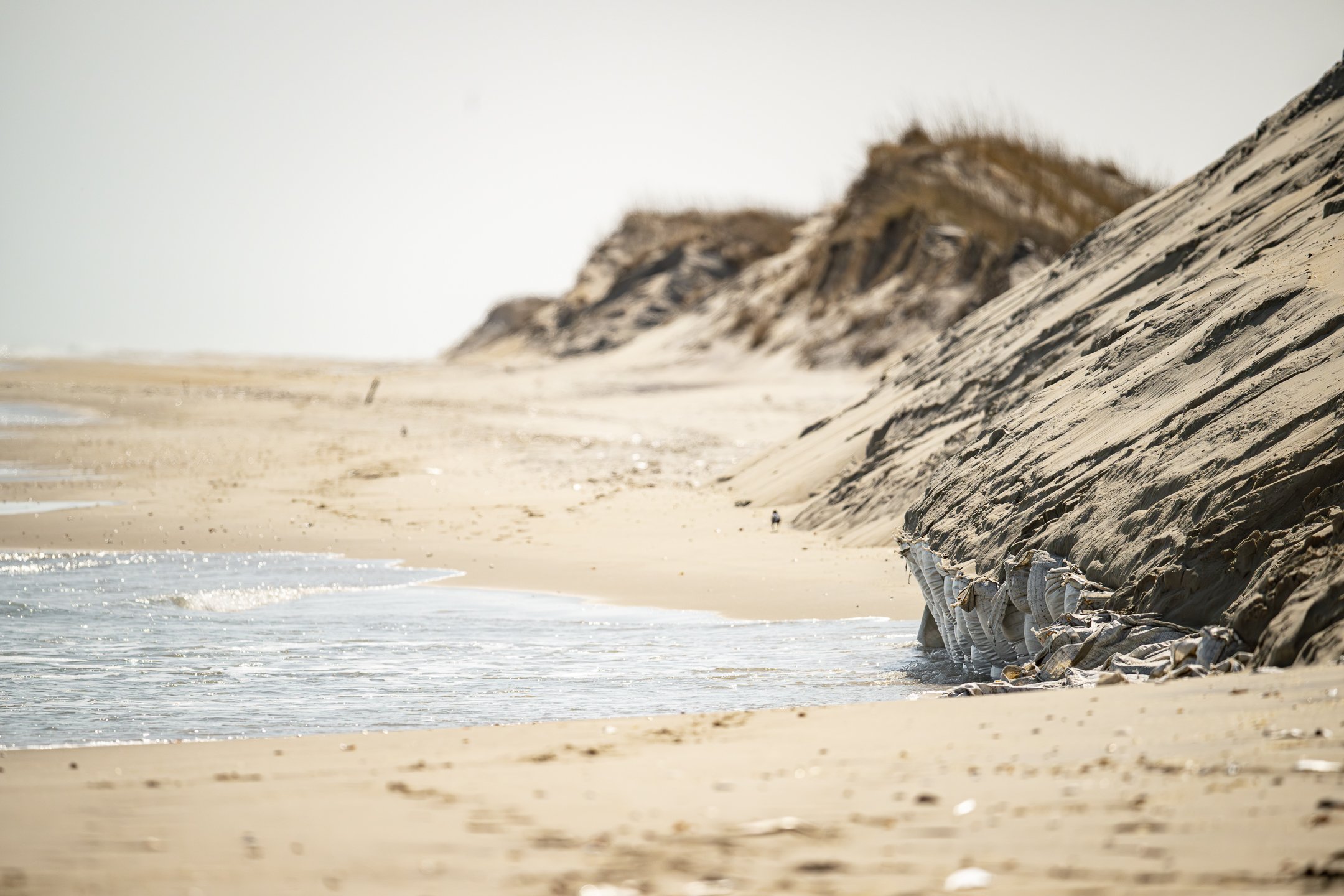
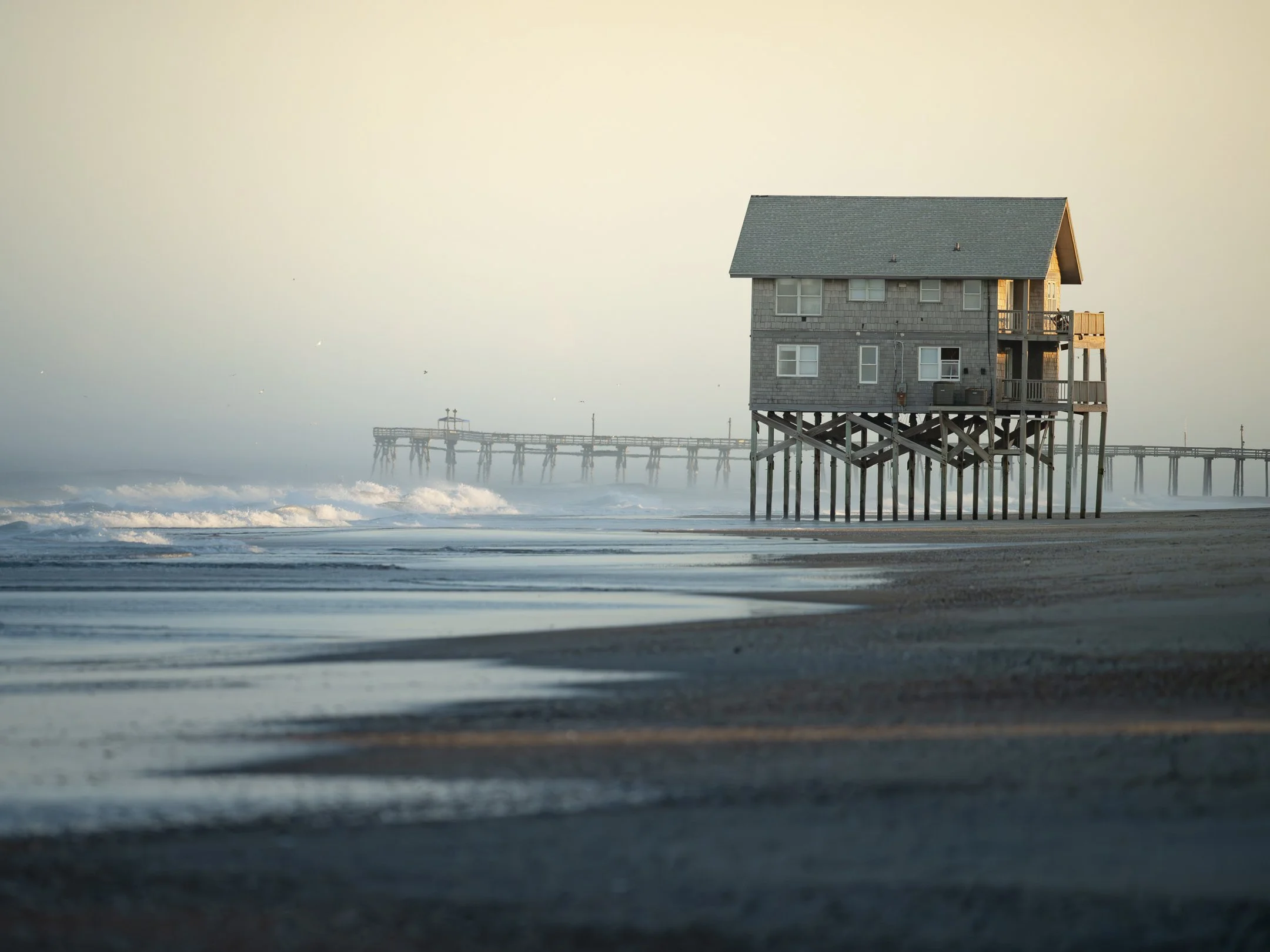
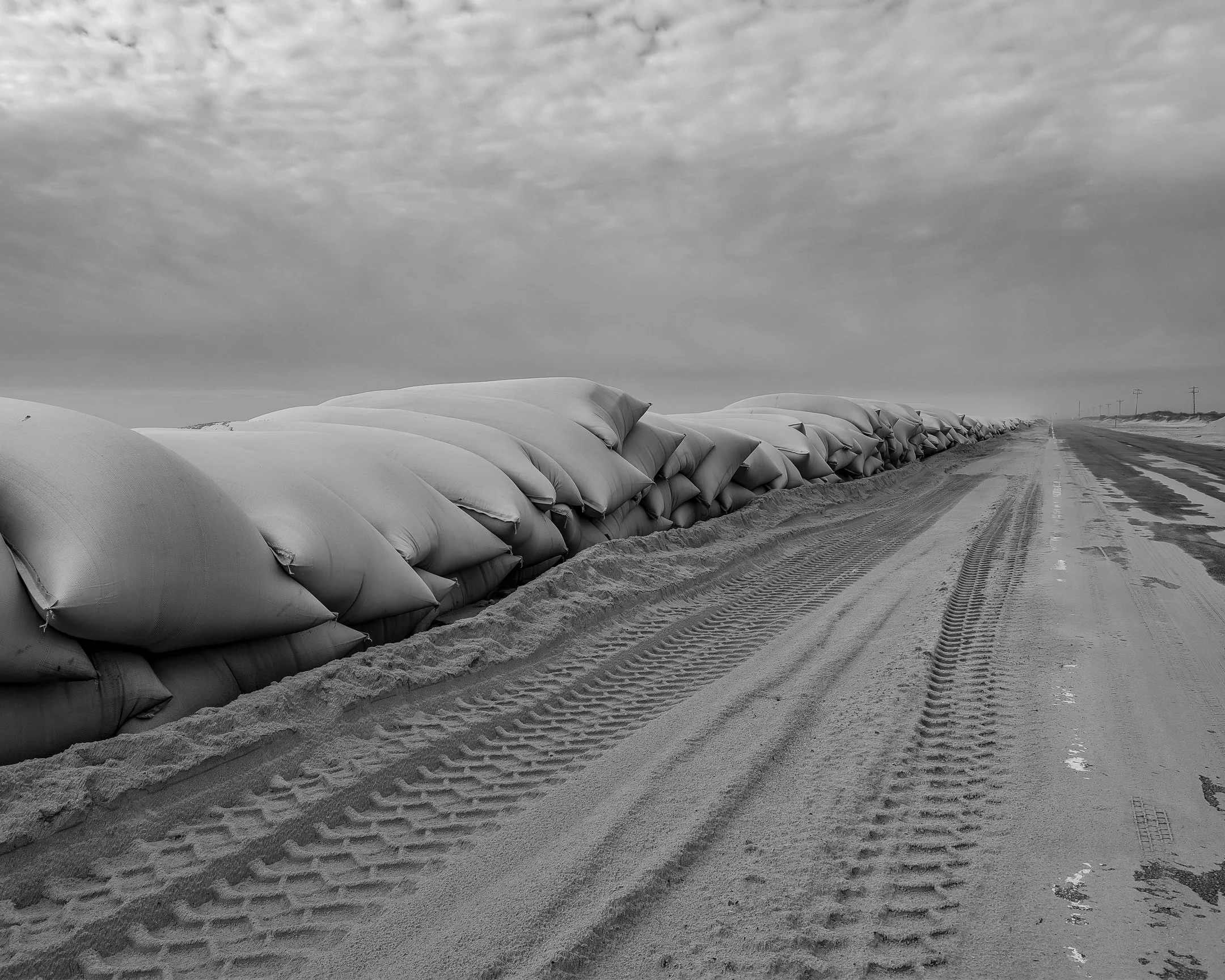
The miles came and went as I edged closer to the completion of the 82.3 miles, that at times, seemed to last forever. I observed a variety of instances on my trek down the coastline. From documenting the wild beauty of sand dunes paired with miles of coastline, to observing sick shorebirds during a time when the avian flu made it’s appearance to the area, to documenting severe coastal erosion and walking among the condemned homes awaiting the ocean to pull them away from their foundations built on sand, to meeting locals and discussing our surrounding environment together, the journey so far has been one that has made me realize why this is all worth protecting; it’s worth protecting connection. Nature is not only a place for wildlife to thrive but a place for people to come together and build connection with their natural surroundings and each other. The work to restore, protect, preserve, and connect our natural world is what will continue to inspire every step I take from here on in my journey!
Story and images by: Cassia Rivera